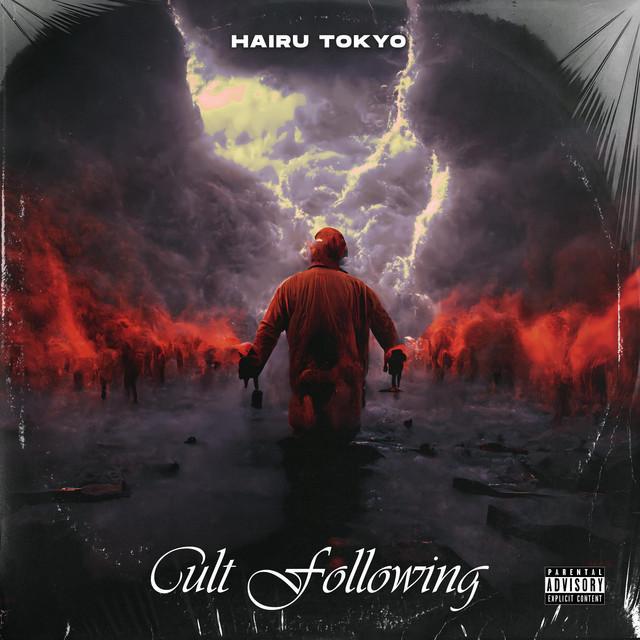
Why "villain" by Hairu Tokyo Feels So Torn
The meaning of villain Hairu Tokyo centers on a person who feels hurt, rejected, and morally twisted by that pain. Rather than telling a clean breakup story, the song sounds like a meltdown in real time. Its speaker does not just miss someone; they feel remade by loss.
"villain" - Hairu Tokyo
Why does she run away from me
I'm just a puppeteer over the misfits
Loading lyrics...
Unable to load lyrics
We're unable to display the lyrics at this time. Please try again later.
One factual point is clear from the provided credits: the song was written by Stevieray Burks. Beyond that, there is limited verified public information in the prompt about release details, album placement, or production credits, so the safest reading comes from the lyrics themselves.
A breakup song, but darker than that
At first, the track seems to describe romantic fallout. The speaker admits longing for an ex, but they quickly move from sadness to rage, shame, and self-loathing. That is why the song feels heavier than a normal post-breakup confession.
They describe themselves with violent and damaged images, from being stuck and powerless to becoming predatory. When they say trapped inside of a well
, the idea is not only sadness. It suggests isolation, echo, and no easy exit.
Interpretation: The song is about what happens when heartbreak fuses with wounded pride. The speaker feels abandoned, but they also feel corrupted by that abandonment.
The central conflict: hero, victim, or villain?
The most important line in the song is the repeated claim that they were changed by someone else. In the chorus, the narrator says they tried to do good and were turned into a monster instead. The phrase turned me into a villain
carries the whole song.
That does two things at once:
- It presents them as a victim.
- It lets them avoid full responsibility.
That tension is what gives the song its bite. They insist they were made this way, yet the verses show they know they are causing harm. They fantasize about revenge, admit social damage, and confess emotional instability.
So the chorus is not just dramatic. It is defensive. The speaker wants sympathy, but they also know they are dangerous to be around.
How the verses spiral downward
The song unfolds like a worsening mental state. Early lines use theatrical images such as just a puppeteer
, suggesting control over chaos or over other broken people. But that confidence collapses almost immediately into the blunt question: what is wrong with them?
From there, the writing stacks image on top of image: horror movies, addiction, being tied down, smoking, burned dinners, and wrecked friendships. None of these details stand alone. Together, they paint a life that feels unmanaged.
Interpretation: The narrator is not simply angry at one person. They are describing a larger collapse where romance becomes the trigger, not the whole cause.
That matters for the meaning of villain Hairu Tokyo, because the title is not only about how others see them. It is also about how they have started to see themselves.
Blood, vampires, and the thrill of destruction
The song uses horror imagery to turn emotional pain into physical hunger. The opening image of taste of blood
on lipstick mixes attraction with danger. Later, the vampire metaphor makes that connection even clearer.
I tried to be a hero
turned me into a villain
This short refrain turns the song's emotional logic into a myth: the good self dies, and a darker self takes over.
The vampire lines suggest more than violence. They imply desire that feeds on closeness. The speaker does not describe intimacy as healing. They describe it as consuming, exciting, and emptying at the same time.
When they mention Red cell euphoria
, the feeling is almost chemical. Love and pain blur into the same rush. That makes the song feel less like revenge fantasy and more like addiction language.
The sound implied by the writing
Even without verified production credits, the lyrics strongly suggest an intense alt-rock, emo-rap, or trap-metal mood. The writing swings between confession and explosion. That kind of structure usually works best with hard dynamic shifts: quieter verses, a heavier hook, and a vocal that sounds strained rather than polished.
The repeated chorus line is built for release. It has the emotional shape of a scream-along moment, where a personal wound becomes communal. In songs like this, the production often matters because distortion, hard drums, and sharp vocal emphasis can make guilt feel physical.
Interpretation: The sound likely supports the lyric theme by making inner turmoil feel loud, immediate, and messy instead of private or poetic.
An unreliable narrator makes the song stronger
One reason the song lands is that the speaker is not fully trustworthy. They blame an ex, but they also admit to addiction, damaged friendships, and being such a mess
. That self-awareness keeps the song from becoming one-note.
They are not saying, "I am innocent." They are saying, "I am breaking, and I want a reason." That is a more human idea.
It also opens two valid readings:
Reading one: heartbreak made them bitter
They loved, got hurt, and now frame themselves as the bad guy because they feel cast out.
Reading two: the darkness was already there
The breakup may have exposed deeper instability that was waiting beneath the surface.
Both readings fit the lyrics, and the song is stronger because it never fully resolves the difference.
Why the song connects
What makes the meaning of villain Hairu Tokyo resonate is its honesty about ugly feelings. Many songs talk about sadness after love ends. This one talks about shame, blame, appetite, and the fear of becoming someone unrecognizable.
That is why the hero-villain contrast matters so much. It captures the moment when pain stops feeling passive and starts changing identity.
Disclaimer: This interpretation is based on the lyrics provided and limited available context. As with most songs, listeners may hear different meanings depending on their own experiences.








