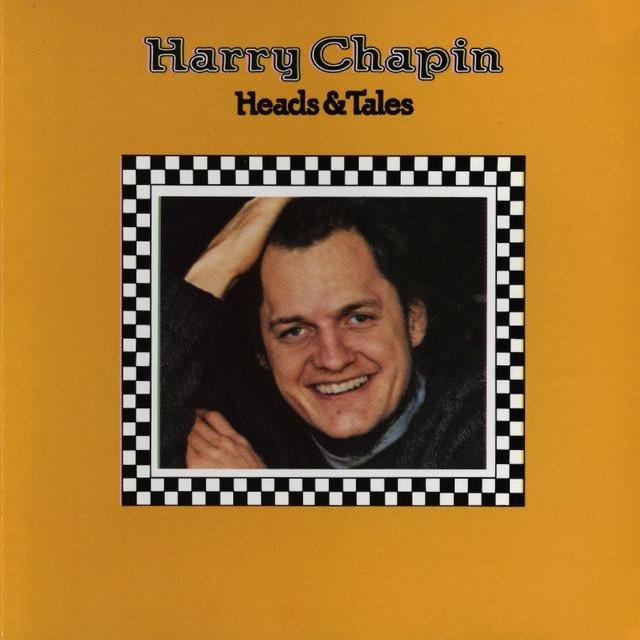
Same Sad Singer by Harry Chapin
The meaning of Same Sad Singer Harry Chapin comes into focus almost immediately: success has arrived, but peace has not. The narrator is in the studio, on the radio, and finally making the kind of music they always wanted to make. Yet every new step forward leads back to one old wound.
"Same Sad Singer" - Harry Chapin
Here between the takes at the studio
And you came into my mind
Loading lyrics...
Unable to load lyrics
We're unable to display the lyrics at this time. Please try again later.
This is a song about ambition, heartbreak, and the cruel way art can preserve pain. In Harry Chapin's hands, the singer is not healed by music. They are trapped inside it.
A Breakthrough That Feels Like a Loss
The central idea is simple and painful. The narrator has become the artist they hoped to be, but the person who mattered most is gone. The song frames that success as bittersweet rather than triumphant.
Early on, the studio setting matters. The narrator pauses between takes and starts thinking about the person who helped set this life in motion. They even suggest that this lost relationship was part of why they are now heard on the radio. That detail gives the song a tragic twist: the dream came true, but not in a way that feels worth celebrating.
When the chorus calls them the same sad singer
, Chapin makes the point clear. Fame has changed their circumstances, not their emotional state. They are still singing the same lonely truths, even if the production is bigger and the audience wider.

Watch the official Same Sad Singer
music video
Who the Narrator Is Singing To
This lyric works as a direct address to an absent former partner. The narrator is not just remembering them; they are trying to reach them through the record itself.
That is why lines about still searching feel so urgent. Phrases like still wanting you
and hunting for you
are not casual memories. They show obsession, unfinished grief, and a refusal to accept that the relationship belongs only to the past.
Interpretation: the song suggests the narrator believes music might succeed where conversation failed. They could not make themselves understood before, so they now try to pour that message into a performance.
The Story Moves in Three Quiet Turns
The song's narrative unfolds in a neat emotional sequence:
- Present moment: the narrator is in the studio, taking a break and thinking back.
- Reflection: they admit that career success arrived after the breakup, but the songs remain full of the missing person.
- Last attempt: they hope the recording itself might finally make that person hear what they meant all along.
That last turn is the most revealing. Near the end, the singer admits music may be why they lost the relationship in the first place. In other words, the gift and the damage are connected. The same drive that made them an artist may also have made them unavailable, distracted, or hard to love.
The Chorus Turns Success Into a Confession
The refrain is the song's emotional anchor. It is catchy, but it does not offer release. Instead, it keeps returning to the same stuck feeling.
By saying the other person has left behind
those lonely songs, the narrator reveals an imbalance. One person has moved on. The other is still living inside the old emotional weather. That contrast makes the title especially sad: they are still performing a pain the other person no longer shares.
You couldn't hear me then
Maybe you can hear me now
This brief moment captures the song's deepest wound. The issue is not only absence. It is failed communication.
Why the Studio Details Matter So Much
One of the smartest things Chapin does here is use music-industry details without making the song cold. References to takes, radio play, and bringing in strings create a professional setting, but they also reveal how art gets built.
The line about bringing in the strings
is especially telling. Strings often signal emotional lift, tenderness, or drama. Here, they seem almost like a plea. The narrator hopes arrangement and orchestration can soften the listener's heart.
Interpretation: this may be Chapin gently questioning whether musicians turn private pain into crafted effect. The song is sincere, but it is also aware of performance. The singer is heartbroken, yet they also know how records try to move people.
How Harry Chapin's Style Supports the Meaning
Harry Chapin was known for narrative songwriting and emotionally detailed character portraits, especially in songs like "Taxi" and "Cat's in the Cradle." Biography.com and the Songwriters Hall of Fame both note his storytelling strength and his role as a socially conscious singer-songwriter.
That context matters here. "Same Sad Singer" is not just a breakup song. It is a story song about the cost of becoming the person one hoped to be. Even without a full production breakdown widely documented online, the lyric itself points to a likely soft-rock, singer-songwriter arrangement where voice, melody, and strings carry the emotional weight.
Chapin's delivery style often favored clarity over flash, which suits this song. It needs a voice that sounds reflective, not theatrical.
The Best Way to Read the Ending
The meaning of Same Sad Singer Harry Chapin is ultimately not that music saves the narrator. It is that music preserves what they cannot resolve. Every song becomes a new version of the same ache.
A second reading is possible too. Interpretation: the track may also be about artistic identity itself. The singer fears they are defined by sadness now, locked into a role the audience rewards. If that is true, the lost partner is both a person and the source of the persona.
That tension gives the song its staying power. It understands that success can be real and still feel empty.
Final Take on a Quietly Devastating Song
What makes this song hit so hard is its honesty about tradeoffs. The narrator got the career, but they lost the person who gave that dream emotional meaning. That is why they remain the same sad singer
: the songs worked, but life did not.
This article offers an interpretation based on the lyrics, Chapin's body of work, and available artist context. As with any song, listeners may hear its meaning differently.








