Why "Flagpole Sitta" Still Feels Unwell
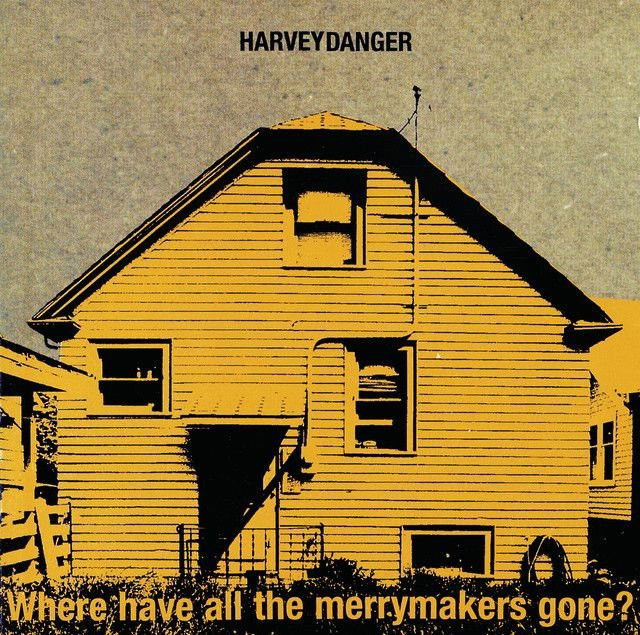
The meaning of Flagpole Sitta Harvey Danger starts with a contradiction: this is a catchy, funny, explosive rock song that sounds like summer radio, yet it feels packed with disgust, panic, and self-doubt. Released in 1998 as the lead single from Where Have All the Merrymakers Gone?, it became Harvey Danger’s signature hit and climbed to No. 3 on Billboard’s Alternative Airplay chart. It was written by Sean Nelson, Jeff J. Lin, Aaron Huffman, and Evan Sult, and produced by John Goodmanson with the band.
"Flagpole Sitta" - Harvey Danger
I was looking into the mirror
To see a little bit clearer
Loading lyrics...
Unable to load lyrics
We're unable to display the lyrics at this time. Please try again later.
A Hit Built on Psychic Static
Factually, the song came out of the Seattle scene in the late 1990s, after grunge had already become a marketable product. Band comments summarized by major outlets describe the song as a response to that moment: wanting to be part of a culture while also suspecting it was fake. That tension is the engine of the track.
Interpretation: the narrator is not just angry at the world. They are angry at themselves for wanting approval from the same world they mock. That is why the song feels sharper than a basic anti-mainstream rant.

Watch the official Flagpole Sitta
music video
The Chorus Says the Whole Problem
The famous hook, I'm not sick but I'm not well
, lands because it avoids a neat label. The speaker is functioning, but barely. They are surviving, but not at peace.
That is followed by I'm so hot
and then I'm in Hell
, which creates a perfect joke with a sting. On one level, “hot” sounds trendy or desirable. On another, it becomes literal suffering. The song turns coolness into punishment.
Interpretation: this is the emotional center of the meaning of Flagpole Sitta Harvey Danger. The speaker feels trapped in a culture that rewards performance, irony, and image, even while it makes them miserable.
Mirrors, Bodies, and Self-Disgust
The opening verse starts with inner vision and self-examination. The mirror image is not flattering. Instead of discovering identity, the speaker sees decay and moral ugliness. That image pushes the song away from simple social satire and into self-loathing.
Then the lyrics swerve into sexual memory and public display. The line about running something “up the flagpole” turns desire into a test: show it off and see who responds. The answer is silence.
But no one ever does
That brief punchline matters. The song is full of attempts to signal, provoke, or perform, yet recognition never feels real. The speaker wants contact, but gets emptiness back.
A Satire of 1990s Cool
The middle verses widen the lens. There are references to anti-TV identity, zines, body modification, and scene politics. Short phrases like publish 'zines
and pierce my tongue
point to forms of alternative identity that were common in the era.
The song does not attack those things by themselves. It attacks how rebellion can harden into style. A person can reject mass culture and still become trapped by another script.
That is why the bridge is funny and sad at once. The speaker lists acts that are meant to prove individuality, but they sound half-sincere and half-performed. Even resistance can become another costume.
Paranoia as Social Feeling
Late in the song, the mood gets more frantic. The repeated Paranoia, paranoia
sounds comic on first listen, but it also suggests a mind that cannot rest. People are coming, voices are talking, boredom becomes accusation.
Interpretation: this may not be literal madness. It can also be read as overstimulation and social distrust. In a culture built on judgment, trend-chasing, and ironic distance, the speaker starts to hear everything as threat or mockery.
That reading fits the song’s most quoted line. They are not “sick” in a clinical sense, but they are not healthy either. The song lives in that gray zone.
Why the Sound Makes the Message Bigger
Musically, “Flagpole Sitta” works because the band never lets the message sink into pure gloom. The track blends alternative rock with power-pop snap: brisk tempo, bright guitars, a tight rhythm section, and a chorus made to be shouted in a crowd.
That contrast is crucial. If the music were slow and bleak, the meaning would be too obvious. Instead, Harvey Danger make anxiety feel exhilarating. The bounce of the arrangement mirrors the thrill of being in the scene, while the lyrics expose the cost.
Interpretation: the song’s sound enacts its conflict. It is joyful and savage at the same time.
Why It Lasted Beyond 1998
The song became bigger than its original scene. It showed up in films and TV and later became closely associated with Peep Show, which helped preserve its afterlife. Its staying power comes from how portable its frustration is.
Listeners do not need to know 1990s Seattle to understand it. The feeling of wanting authenticity in a world of branding, trends, and performance is still familiar. Social media arguably made that tension even more common.
So the meaning of Flagpole Sitta Harvey Danger is not just “everyone is fake.” It is more uncomfortable than that. The song suggests that the speaker is caught in the same system they criticize. They want to stand outside it, but they also want to be seen by it.
The Lasting Takeaway
“Flagpole Sitta” endures because it turns confusion into a pop anthem. It is about alienation, scene politics, self-mockery, and the pain of being half-in and half-out of the culture around them.
That is why the chorus still hits: it describes a person who can joke, pose, and sneer, yet still cannot say they are okay. Interpretation disclaimer: song meanings are never fully fixed, and this reading blends documented context with interpretation rather than claiming one final answer.









