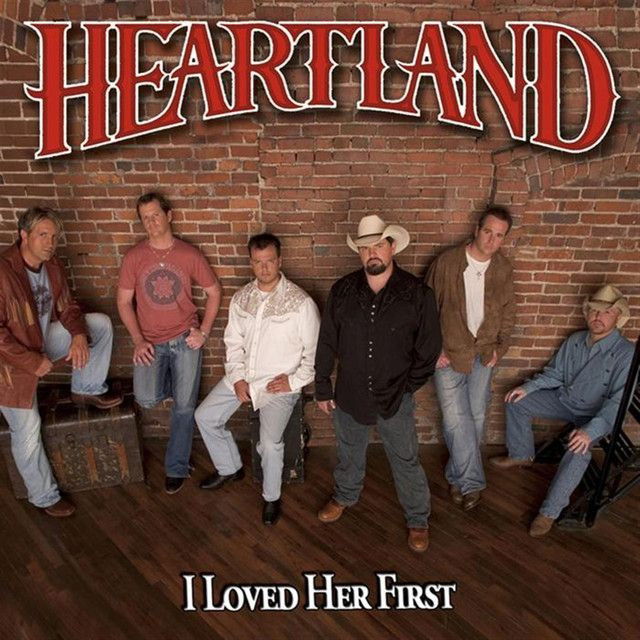
I Loved Her First by Heartland
A wedding song on the surface, this ballad is really about the painful grace of letting a child grow into someone else's future.
"I Loved Her First" - Heartland
Provided by LyricFindLook at the two of you dancing that way
Lost in the moment and each other's face
So much in love, you're alone in this placeLoading...Loading lyrics...
Unable to load lyrics
We're unable to display the lyrics at this time. Please try again later.
Why the Meaning Still Lands So Hard
The meaning of I Loved Her First Heartland is simple to hear and hard to shake. The song places listeners at a wedding, but its real subject is not romance alone. It is about a father facing the moment when his daughter becomes an adult with a life beyond him.
Heartland released the track on June 5, 2006, as the lead single from their debut album, and it became the band's only No. 1 on the U.S. Billboard Hot Country Songs chart. It was written by Walt Aldridge and Elliott Park, and Aldridge also produced it. Those facts help explain why the song feels so focused: the writing and production both aim at one emotional point, the father-daughter handoff at a wedding.
Watch the official I Loved Her First
music video
A Father Speaks, but He Also Steps Aside
The song's narrator is a father addressing his future son-in-law. From the first verse, he watches the couple dance and sees how deeply they are wrapped up in each other. That scene matters because it puts him on the outside of a bond that once centered on him.
He remembers when he was her whole world. Then he admits that time changes things and says he will not interfere. That balance is the song's strongest move. The father is not possessive in a cruel way. He is tender, honest, and trying to be generous even while it hurts.
A few short phrases show that emotional line clearly: lost in the moment
, be careful when you hold my girl
, and I'm not gonna stand in your way
. Together, they show love, worry, and release.
The Chorus Turns Memory Into Meaning
The chorus explains why the father is so emotional. It is not just that his daughter is getting married. It is that he has loved her since her very first moments of life.
He frames that bond through first experiences: holding her as a baby, seeing her smile, and feeling a father's love become permanent. The repeated title phrase, I loved her first
, is not a contest. It is a claim about history. He is saying, in effect, that before romance entered her life, he was the one protecting, raising, and cherishing her.
From the first breath she breathed
When she first smiled at me
That brief memory is the song's emotional center. It compresses years of parenting into two images: birth and recognition. In plain language, the chorus says that fathers do not stop loving their daughters when they grow up, even when they know letting go is right.
How the Story Moves From Child to Bride
One reason the song connects so strongly is its clear timeline. It moves through three stages:
- The wedding present: the father sees the couple together.
- The childhood past: he remembers a freckled girl, bedtime stories, and tucking her in.
- The future beyond him: he accepts that she has found her partner.
That structure makes the listener feel time passing in a very human way. The father looks at the bride and sees both the grown woman and the child she used to be. That is the ache inside the song.
Interpretation: The groom is almost a stand-in for every change a parent cannot stop. Marriage is the event, but the deeper issue is time itself.
Sound, Tempo, and Why It Feels So Tender
Musically, the song supports its message with restraint. It is a mid-tempo country ballad in triple meter, which gives it a gentle sway close to a slow dance. That matters because the rhythm echoes the wedding setting while also softening the father's pain.
The arrangement stays warm and uncluttered. Acoustic textures, light percussion, and a controlled vocal keep the focus on the story rather than dramatic production tricks. Instead of sounding bitter or oversized, the performance feels intimate.
Interpretation: That softness is part of why the song became a father-daughter dance standard. It lets listeners project their own family memories onto it. The production does not crowd the lyrics; it opens space for them.
Why It Became a Wedding Staple
The song's cultural life adds to the meaning of I Loved Her First Heartland. It became widely used for father-daughter dances at weddings, and its popularity lasted well beyond its original 2006 run. It even re-entered the country chart in 2015 after a widely shared wedding video helped introduce it to new listeners.
Critics understood its appeal early. Billboard's Deborah Evans Price called it a "beautifully written tearjerker" that would hit home with dads. That response matches the song's staying power. It is specific enough to feel real, but broad enough that many families see themselves in it.
The Song's Gentle Tension
The most effective part of the lyric is its tension between blessing and grief. The father says he prayed his daughter would find this person someday, but he also admits it is hard to give her away. Those ideas do not cancel each other out. They exist at the same time.
That is why the song does not feel manipulative when it works. It understands that love can be both grateful and sad. A parent can welcome a new chapter while still mourning the end of the old one.
Final Take
At its core, this song is about parental love meeting adult change. Heartland turns a wedding dance into a story about memory, identity, and release.
The meaning of I Loved Her First Heartland is not that a father owns his daughter. It is that raising a child creates a bond so deep that even happy endings can hurt.
Disclaimer: This interpretation combines documented facts about the song with reasoned reading of its lyrics and sound. Different listeners may hear it differently.








