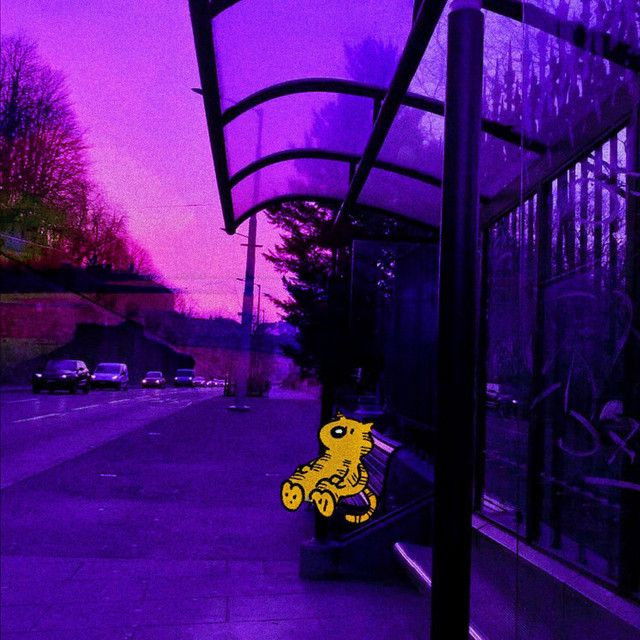
Bus Ticket by HeathcliffTheBandit
They call it Bus Ticket, but the ride here is emotional, not literal. The title frames a choice: step on, step off, or stand there holding the stub. That sets up the central question driving the meaning of Bus Ticket HeathcliffTheBandit: is this love, or only the high of wanting something you’re not ready to hold?
"Bus Ticket" - HeathcliffTheBandit
Yeah
I cut out myself
Loading lyrics...
Unable to load lyrics
We're unable to display the lyrics at this time. Please try again later.
The Ticket Is a Choice, Not a Vehicle
The word “ticket” implies agency and direction. A bus ticket is cheap, public, and one-way unless you buy another. In this song, it reads like the option to leave a pattern—or to keep circling the block emotionally. The opening reassurance, You’ll get past this
, casts the narrator as both traveler and tour guide. They pep-talk themselves, then hesitate.

Watch the official Bus Ticket
music video
What the Song Is Really Saying
At its core, the track wrestles with infatuation versus commitment. The repeated question—Are you falling in love
—immediately shifts into a qualifier: with a feeling
. That pivot is the thesis. They’re not sure the attraction is about a person at all. It might be about the adrenaline of being wanted, or the safety of having an escape route (the “ticket”) if things get real.
This tension sharpens around the line I cut out myself
, which suggests self-sabotage. They preemptively remove themselves so no one else can. The lyric doesn’t wallow in regret; it studies the behavior, as if holding it to the light.
Who’s Speaking, And What They Want
The voice toggles between intimate confession and stern self-talk. On one side, there’s soothing advice—You’ll get past this
. On the other, there’s investigative pressure: are you chasing love, or the chemical spike it brings? That split voice lets them argue both for closeness and for distance.
One unsettling aside—about only the police coming to look for you—adds a flash of alienation. It hints that formal authority notices you more than your friends do. Interpretation: the narrator has learned to expect attention only when things go wrong, so affection feels suspicious.
How the Moments Stack Up
Think of the song as a short timeline:
- Reassurance. They promise themselves resilience.
- Admission. They confess to cutting themselves out of connection (
I cut out myself
). - Interrogation. They press the other person—and themselves—about whether this is real love (
Are you falling in love
) or only the rush (with a feeling
). - Friction. A clipped exchange—
I’ve been busy
—implies dodged calls and missed chances. - Attempted wisdom. The closing maxim—
We can’t control our circumstances
—reframes the mess as a test of response, not fate.
Taken together, the bus ticket looks like the option to act differently next time: to board instead of lingering at the curb.
Sound and Scene: Why It Feels So Now
Even without a detailed credit list, the writing leans on repetition and plainspoken lines, hallmarks of bedroom-pop and micro-pop. Short phrases read like voice notes, and the hook’s looped question underlines indecision. Interpretation: the production likely keeps things sparse and intimate, letting the conversational rhythm set the pace.
Context helps, too. In recent years, younger artists have folded ’90s UK club textures into pop-sized songs, making quick, emotive tracks that travel well on social platforms. As reported by Pitchfork, this wave has brought brisk breakbeats and garage shimmer into U.S. listening habits, often in bite-size hooks and diaristic tones. Bus Ticket’s taut phrasing and self-therapy vibe fit that landscape, even if the instrumentation is more minimal than clubby.
Other Ways to Hear It
- Interpretation: A breakup scene. The defensive
I’ve been busy
reads like a dodge, and the bus ticket symbolizes a cheap exit from accountability. - Interpretation: Recovery talk. The “only the police” aside suggests past crises; the final maxim about control sounds like program wisdom—own what you can, release what you can’t.
- Interpretation: Digital-age romance. They’re hooked on the ping of validation, not the person. “Falling in love” with the feeling mirrors the dopamine loops of notifications.
Each reading returns to choice. The ticket is always there, waiting to be used differently.
The Last Word You Can Carry
The song closes on responsibility, not fatalism: We can’t control our circumstances
, but we can decide our next move. That’s the heart of the meaning of Bus Ticket HeathcliffTheBandit—recognizing when you’re chasing the high and choosing whether to step on, step off, or finally ride it all the way.
Disclaimer: This article offers an informed interpretation of the lyrics and themes. Listeners may reasonably hear the song in other ways.








