Why 'I Want Out' by Helloween Still Hits Hard
The meaning of I Want Out Helloween starts with a feeling most people know well: being told who they are before they get to decide for themselves. Helloween turns that frustration into a power metal anthem, but the song is not just about rebellion for its own sake. It is about self-definition.
"I Want Out" - Helloween
We are pushed in little forms
No one asks us how we like to be
Loading lyrics...
Unable to load lyrics
We're unable to display the lyrics at this time. Please try again later.
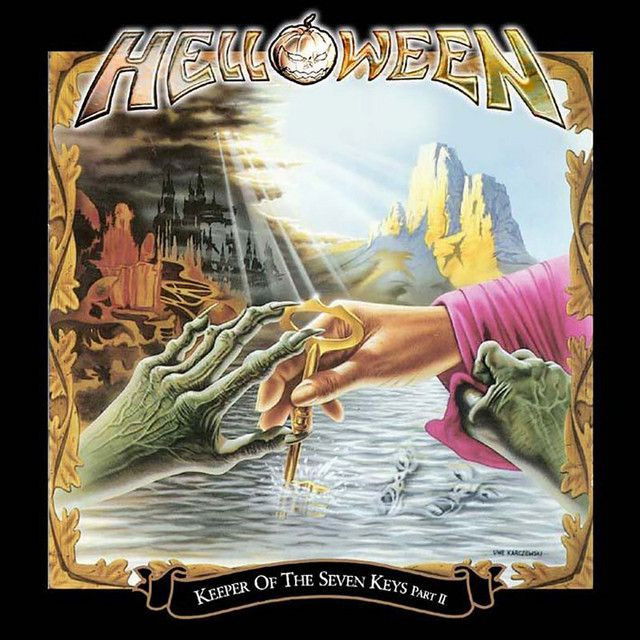
Released on Keeper of the Seven Keys: Part II and as a single in 1988, the track was written by Kai Hansen and became one of Helloween’s best-known songs. It was also a charting single in Switzerland and the UK, and it remains a live favorite across Helloween-related projects and covers by other metal bands. Those facts help explain why the song feels larger than a private complaint: it became a shared statement for listeners who want room to think and live freely.
A Power Metal Anthem About Personal Space
On the surface, the song is very direct. The speaker says they are tired of being shaped by others from the very start of life. The verses describe outside forces that try to mold people into approved versions of themselves. School, social pressure, and loud opinions all become part of the same system.
The key complaint is not just control. It is the refusal of others to ask what the person actually wants. When the lyric points to being pushed into little forms
, it suggests a world that prefers neat boxes over real individuality.
Interpretation: That image makes the song broader than a teen rebellion track. It reads as a critique of any culture that rewards conformity and punishes independence.
Watch the official I Want Out
music video
How the Verses Build the Conflict
The opening verses move in a clear line:
- People are shaped early.
- Institutions tell them what to think.
- Conflicting voices all claim they are right.
- The result is mental exhaustion.
That is why the song lands so hard when it reaches the chorus. The speaker has heard too much advice and too many commands. By the time they say I want out
, it feels earned.
Another sharp moment comes with pushing me from black to white
. In plain terms, the song rejects forced, simple answers. It argues that life is more complex than rigid either-or thinking.
What the Chorus Really Means
The chorus is famous because it is simple, but its simplicity is the point. The song does not ask for luxury, fame, or power. It asks for distance, autonomy, and freedom. Phrases like leave me be
and to be free
make the message plain: the speaker wants control over their own choices.
That hook also changes the tone of the song. The verses sound cornered, but the chorus sounds liberated. Even before anything changes in the story, the music creates the feeling of breaking out.
To live my life alone
Leave me be
To do things on my own
Paraphrased, this is not a rejection of all human connection. It is a demand for boundaries. The speaker is not asking to disappear; they are asking to stop being managed.
The Most Important Idea: Nobody Has Total Truth
One of the song’s smartest lines comes late, when it says there are many ways to see life and that nobody is fully right. That shifts the song from protest to philosophy.
Instead of replacing one authority with another, the lyric argues for humility. People should be careful before forcing their worldview onto someone else. In that sense, the song is not anti-knowledge or anti-community. It is anti-dogma.
Interpretation: This is why the track still connects across generations. Its real target is not one teacher, parent, or boss. It is the habit of treating personal opinion like universal law.
Why the Sound Matters So Much
Musically, “I Want Out” works because Helloween packages frustration as uplift. The track sits in the band’s signature blend of heavy metal and power metal, driven by fast drums, soaring guitar work, and Michael Kiske’s high, ringing vocal performance.
That sound matters to the meaning. If the same lyric were delivered as a slow, gloomy song, it might feel defeated. Here, the tempo and melody make resistance sound joyful. The guitars do not just support the words; they give them momentum.
The lineup on the track included Kiske on vocals, Kai Hansen and Michael Weikath on guitars, Markus Grosskopf on bass, and Ingo Schwichtenberg on drums. The result is tight but expansive, which fits a song about trying to push past limits.
Context Around Kai Hansen and the Song
Because Hansen wrote the song and left Helloween not long after its release, listeners have often linked the lyric to his exit. According to reporting collected in reference sources, Hansen denied that the song hinted at plans to leave the band. That should be treated as the factual baseline.
Still, the timing keeps the alternate reading alive. Interpretation: Even if it was not written specifically about quitting Helloween, the song clearly expresses a mindset of frustration with pressure and control. That makes the biographical reading understandable, even if it is not confirmed.
Its afterlife supports that wider meaning. The song has been covered by acts such as HammerFall and Sonata Arctica, and it remains a staple in live metal culture. A message this broad travels well because listeners can place their own struggles inside it.
Why “I Want Out” Endures
The meaning of I Want Out Helloween lasts because it balances anger with clarity. It says many people talk too much, demand too much, and assume too much. Then it answers with a blunt claim for self-rule.
For fans in the United States and beyond, that still feels fresh. Everyone knows what it is like to be told what to think. Helloween’s genius was turning that pressure into a chant people could sing back.
Disclaimer: This article offers interpretation alongside verified facts. Song meaning can remain open, and different listeners may hear different shades of intention in the same lyrics.









