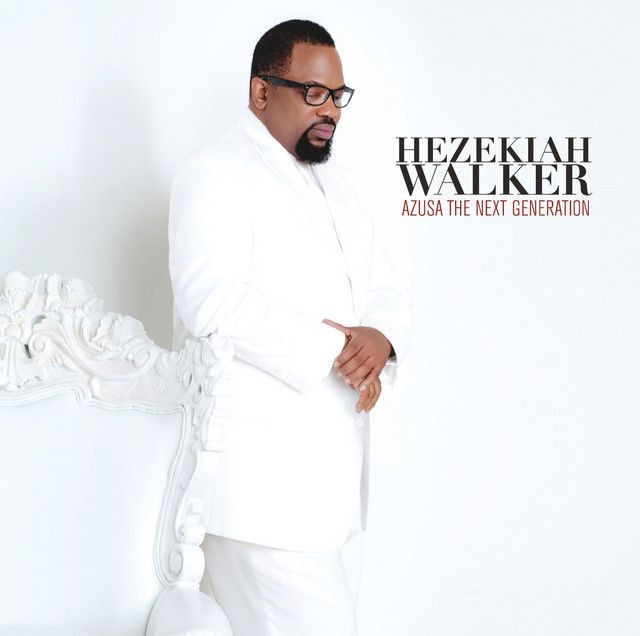
Why "I Feel Your Spirit" Hits So Deep
For many listeners, the meaning of I Feel Your Spirit Hezekiah Walker is simple on the surface but powerful in practice: it is a praise song about sensing God in a full-body, joyful, communal way. Rather than tell a long story, the song repeats one core idea until it becomes an experience. That is why it works so well in church settings and live worship.
"I Feel Your Spirit" - Hezekiah Walker
I feel your spirit
All over me
Loading lyrics...
Unable to load lyrics
We're unable to display the lyrics at this time. Please try again later.
Hezekiah Walker has long been one of gospel’s best-known choir leaders, with a career shaped by congregational energy and call-and-response performance, as noted by the Encyclopaedia Britannica. This song fits that tradition perfectly. It turns belief into motion, and motion into testimony.
The Core Message Beneath the Repetition
At its heart, the song says that God is not distant. The singer describes divine nearness as something they can feel physically and emotionally. When the lyric says all over me
, it is not only about private emotion. It suggests total immersion, as if worship surrounds the whole person.
That matters because gospel music often connects spirit and body. In many worship traditions, faith is not only spoken or thought. It is clapped, danced, shouted, and sung. This song leans fully into that idea.

Watch the official I Feel Your Spirit
music video
A Worship Song Built From the Body Up
One of the song’s strongest images is the way it maps spiritual feeling onto the body. The lyric names my hands
, my soul
, and my feet
. In plain terms, the song moves from outward action to inward life and then back to physical response.
That sequence is meaningful. Hands suggest praise and service. Soul points to inner transformation. Feet suggest movement, dance, and the inability to stay still when joy takes over. The result is a picture of worship as something that affects every level of a person.
I feel your spirit
all over me
it's in my hands
and down in my feet
This short passage captures the song’s main idea: spiritual presence is so strong that it spreads through the whole self.
Spirit, Presence, Glory, Power
The lyric does not stay with one word. It cycles through spirit, presence, glory, and power. That choice expands the song’s meaning. Each term highlights a slightly different part of the believer’s experience.
Spirit points to intimacy and nearness. Presence suggests comfort and awareness. Glory adds awe and holiness. Power introduces strength, change, and the ability to act. By stacking these words, the song suggests that worship is not a single emotion. It can be tender, overwhelming, energizing, and humbling at the same time.
Interpretation: This progression may also reflect the rising intensity of a church service. What begins as a personal feeling becomes a larger encounter, then grows into a shared moment of celebration.
Why the Repetition Matters So Much
Some listeners may notice how little the lyric changes. But in gospel, repetition is often the point. It gives the congregation space to join in, and it allows emotion to build naturally instead of rushing toward a plot twist.
The phrase moving
is especially important. It suggests that the experience is active, not static. God is not described as an abstract idea. The song presents divine action as something alive inside the worshipper, especially down in my soul
.
This is why the track feels less like a written statement and more like a live testimony. The repeated lines create a loop of affirmation. Each return of the chorus sounds less like information and more like conviction.
How the Sound Carries the Meaning
Production and arrangement are essential to the song’s impact. It lives in the gospel choir tradition: strong group vocals, a steady rhythmic pulse, and a performance style designed for audience participation. Even on record, it feels like a room full of people answering back.
The beat and clapping cues matter because they turn the song into action. Near the end, the invitation to clap and dance makes the theme visible. If the message is that God’s spirit is felt in the body, then the arrangement proves it by encouraging physical response.
This fits Walker’s larger body of work, which is rooted in choir-led praise and church-centered performance, including releases documented by AllMusic. The musical language is direct on purpose: bright harmonies, layered voices, and rising energy all support the song’s central message of collective worship.
A Song About Community, Not Just One Person
Even though the lyric uses first-person language, the performance never feels isolated. The lead voice opens the door, but the choir turns the message into a group experience. That is a key part of the meaning of I Feel Your Spirit Hezekiah Walker.
They are not only singing about what one believer feels. They are modeling what a congregation can feel together. The commands to clap and dance remove the boundary between performer and listener. In effect, the song says: this feeling is available to everyone in the room.
One More Layer: Joy as Evidence
Interpretation: Another way to hear the song is as an argument that joy itself can be a sign of faith. The singer does not offer theology in detailed language. Instead, they point to response. If people are lifted, animated, and united, the song implies that something real is happening.
That helps explain the track’s lasting appeal. It is easy to learn, easy to sing, and emotionally immediate. More than many songs, it invites listeners not just to understand worship, but to enter it.
Final Take on Its Meaning
The meaning of I Feel Your Spirit Hezekiah Walker is about embodied worship: sensing God deeply enough that praise reaches the hands, soul, and feet. Its repeated words, rising energy, and choir-driven sound all support a message of shared spiritual encounter.
For listeners in church, it can feel like a release. For listeners outside that setting, it still shows how gospel music turns belief into sound and movement.
Disclaimer: This interpretation is based on the lyrics, performance style, and gospel context. Like all music, the song may mean different things to different listeners.









