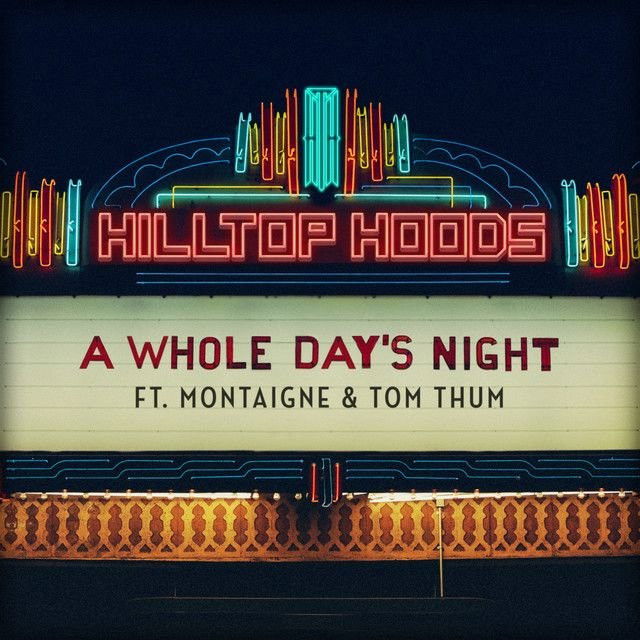
All-Nighter Confessions: Inside ‘A Whole Day’s Night’
They know the feeling: one wild night turns into a whole, bleary day. Hilltop Hoods link up with Montaigne and Tom Thum to capture that spin cycle—fun, regret, and the morning-after audit. If you’re searching for the meaning of A Whole Day’s Night Hilltop Hoods, Montaigne, Tom Thum, this breakdown follows the story, the symbols, and the sound.
"A Whole Day’s Night" - Hilltop Hoods, Montaigne, Tom Thum
In hindsight, I could write a book of regrets
Dying inside while I look at my texts
Loading lyrics...
Unable to load lyrics
We're unable to display the lyrics at this time. Please try again later.
What This Hangover Anthem Is Really Saying
The song is a confession with a wink. The narrator stumbles through consequences, flipping from swagger to self-awareness. They joke about a book of regrets
and admit that the night is a blur
, but beneath the humor is anxiety about control and health.
Interpretation: It’s not just about drinking; it’s about cycles—work hard, blow off steam, pay the price, vow to change, repeat. The title idea—stretching a single night into a “whole day”—captures how the bill comes due in daylight.

Watch the official A Whole Day’s Night
music video
Who’s Talking, and Who Needs to Hear It
The verses speak in first person, like a friend giving a messy recap. Montaigne’s hook is the check-in, a promise to loved ones that they’re still grounded.
I’ve been up all night
I think I better phone my friends
That reassurance matters. The chorus doesn’t brag; it tries to calm worry. The recurring phrase up all night
becomes a signal flare: I went too far, but I’m still here.
A Night That Becomes a Day: The Timeline
- It starts small—“a couple”—then escalates to doubles. The credit card hurts, the memories don’t line up, and the guilt rolls in.
- Dawn exposes everything. Birds, trash day, and fluorescent reality replace club lights. The narrator jokes about being a vampire dodging the sun.
- By midday, resolutions arrive:
never drinking again
. The vow is sincere in that moment, even if they’ve said it before. - The final move is connection. They reach out to friends to confirm safety and regain a bit of control.
Interpretation: The list-like structure mirrors anyone’s aftermath routine—retrace steps, assess damage, declare change, ask for grace.
Symbols and Images That Do the Heavy Lifting
The sun is the biggest character. It beats me like a drum
—a perfect image for a pounding head and the steady march of time. The Van Gogh nod turns blurred memory into art history shorthand: beauty and chaos on the same canvas.
There’s also a split-screen life. One side is a normal 9-to-5; the other is the stage-to-dawn schedule of working artists. That contrast explains why the party timeline can feel like a job hazard, not only a choice. Keys lost, gardens crashed, birdsong—each detail makes the hangover tactile and a little funny.
How the Sound Sells the Story
Production leans on crisp drums and a rolling groove that suggests forward motion even when the narrator feels stuck. Tom Thum’s beatbox textures add human breath and pulse, like a worn-out engine that won’t shut off. It reinforces the restless energy that keeps them moving from venue to sunrise.
Montaigne’s vocal brings light without letting the song off the hook. Her melody lifts, then settles, mirroring the cycle of thrill and consequence. Hilltop Hoods’ verses pack internal rhymes and punchlines, snapping between bravado and rueful self-talk. The contrast—percussive flow against a bright, empathetic chorus—embodies the tug-of-war between impulse and accountability.
Two Ways to Read It (Both Work)
Interpretation 1: A straight hangover narrative. The lines itemize a rough morning-after with enough comedy to make the lesson go down. The repeated promises to quit read like a familiar script.
Interpretation 2: A burnout parable. Even without substances, the song maps modern excess—overwork, overstimulation, and the pressure to perform. The chorus’s outreach is a mental-health ritual: tell your people you’re safe and keep the circle strong.
Craft Choices That Sharpen the Theme
- Point of view: First-person confession invites empathy instead of judgment.
- Repetition: Echoing
up all night
and the sun motif turns real consequences into hooks you can’t shake. - Humor: Jokes lower defenses, so the more serious message can land.
- Structure: Verses race; the hook breathes. That speed shift feels like heart rate vs. recovery.
Credits and Context Worth Noting
The track is credited to Andrew Albert Burford, Barry John M. Francis, Daniel Howe Smith, and Matthew David Lambert—names that underline a collaborative pen behind the candid storytelling. The presence of a powerhouse singer (Montaigne) and a world-class beatboxer (Tom Thum) is more than a feature list; it’s the sonic idea in action: organic human rhythm meets pop lift meets veteran rap craft.
The Takeaway You’ll Keep
A Whole Day’s Night isn’t anti-fun; it’s pro-honesty. It sits where laughter meets lesson, capturing the rush and the reckoning. If you wanted the meaning of A Whole Day’s Night Hilltop Hoods, Montaigne, Tom Thum, here it is: celebrate if you must, but call your people, face the sun, and decide what tomorrow needs from you.
Disclaimer: Song meanings are interpretive and may differ from the artists’ stated intent or listeners’ personal experiences.








