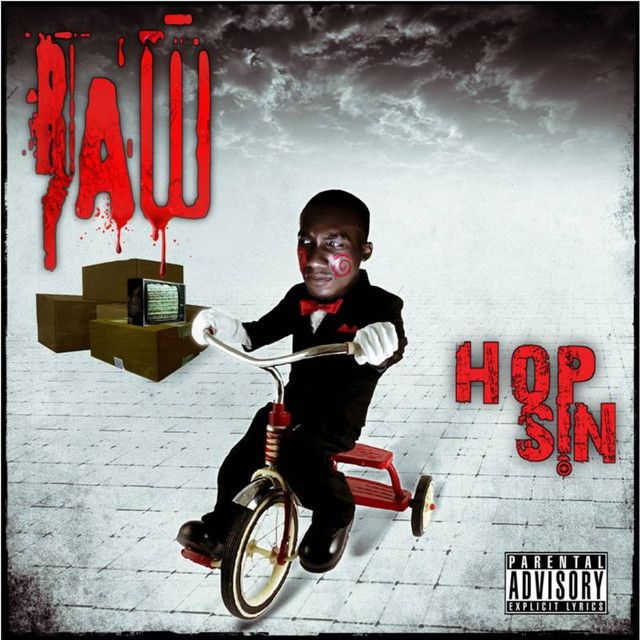
Nocturnal Rainbows by Hopsin
A restless song about seeing through the dark
The meaning of Nocturnal Rainbows Hopsin starts with a contradiction. Rainbows belong to daylight, yet this song places them at night. That strange image becomes the key to the whole track: Hopsin is describing a mind trying to find truth, hope, and purpose in a world that feels fake, lonely, and manipulated.
"Nocturnal Rainbows" - Hopsin
You were programmed to be you
You're a slave and you don't even know it
Loading lyrics...
Unable to load lyrics
We're unable to display the lyrics at this time. Please try again later.
Rather than telling one clean story, they build the song as a chain of questions, accusations, and confessions. They challenge social thinking, doubt public leaders, and push listeners to examine their own habits. At the same time, they admit they are searching too. That mix of confidence and uncertainty gives the song its tension.

Watch the official Nocturnal Rainbows
music video
The core message behind the verses
At its heart, the song argues that many people move through life on autopilot. Early lines suggest people are conditioned by outside forces instead of thinking freely. Hopsin frames that as both a social problem and a spiritual one.
They also place themselves inside the problem. When they say they still do not fully know themselves, the song stops being just a lecture. It becomes a portrait of someone who feels separate from the crowd but is still trying to understand their own place in the world.
This is important to the meaning of Nocturnal Rainbows Hopsin: they are not simply saying others are lost. They are saying everyone, including the speaker, is trying to see clearly in a dark system.
The chorus turns anger into loneliness
The hook gives the song its emotional center. Instead of more criticism, Hopsin shifts to images of darkness, the moon, and distance. The phrase darkness provides the light
sounds paradoxical, but that is the point. They seem to believe pain, doubt, and isolation can reveal truths that comfort and normal routines hide.
The next image is even sadder. When they call the moon my only homie
, they present themselves as deeply alone. That line suggests that their independence has a cost. They may see things differently, but that insight does not make them feel safe or connected.
If there's a higher power then show meInstead of nocturnal rainbows
That brief plea makes the chorus more than moody poetry. It sounds like a challenge to God, fate, or the universe. They want real proof, not symbols that are beautiful but hard to trust.
A portrait of Hopsin’s early worldview
Hopsin wrote the song, and its themes fit the outsider voice that shaped their early career. On the independent album Raw, they often mixed technical rap, social criticism, and distrust of institutions. This track sits right inside that lane.
Some factual claims in the lyrics, especially political or conspiracy-leaning ones, should be understood as the speaker’s viewpoint rather than verified truth. That distinction matters. The song is most powerful when heard as a document of suspicion and frustration, not as a fact sheet.
Interpretation: Hopsin uses those controversial claims to dramatize a bigger feeling: they believe powerful systems reward shallow thinking and punish honesty. Even when specific examples age or feel debatable, that emotional stance still drives the song.
Verse by verse: what they are pushing against
The first verse focuses on identity. Hopsin questions morality, religion, and reputation. They argue that others misunderstand them, seeing menace where they see intention. The phrase touch your heart
shows that beneath the aggressive tone, they want their music to move people, not just shock them.
The second verse widens the lens to politics, celebrity, and control. It is the song’s most confrontational section. Here, Hopsin sounds less like a diarist and more like a protest voice, attacking what they see as manipulation in media and public life.
The third verse becomes more practical and judgmental. They criticize laziness, excuse-making, and self-sabotage. The line about people who never try your best
pushes the song toward personal responsibility. In other words, even if the system is broken, they still think individual effort matters.
Symbols that hold the song together
The title image does a lot of work. A nocturnal rainbow is rare and hard to see clearly, which makes it a strong symbol for uncertain truth. It is there, maybe, but it appears under unusual conditions.
Other recurring symbols deepen that feeling:
- Night: confusion, solitude, and honest self-reflection
- Moon: companionship at a distance
- Light in darkness: wisdom gained through pain
- Programming: social conditioning and loss of free thought
Interpretation: The song suggests that real insight may come when someone feels cut off from the crowd. That idea is both empowering and sad.
How the sound reinforces the meaning
The production supports the late-night mood. The beat is steady and tense, while the chorus brings a more melodic, floating quality. That contrast mirrors the lyrics: the verses confront, the hook drifts.
Their vocal delivery matters too. Hopsin raps with force, but the hook sounds more exposed. That shift makes the song feel less like pure attack and more like internal conflict. In that sense, the track previews the self-questioning that would continue across later releases, including Knock Madness.
Final takeaway on the song’s message
The meaning of Nocturnal Rainbows Hopsin is about searching for truth in a world that feels artificial, while admitting that this search can be isolating. The song moves between social critique and private pain, which is why it still stands out in their catalog.
Its sharpest idea is simple: seeing through illusions does not automatically bring peace. Sometimes it only makes the night feel deeper.
Disclaimer: This interpretation is based on the lyrics, performance, and available artist context. As with most songs, listeners may reasonably hear different meanings in the same lines.









