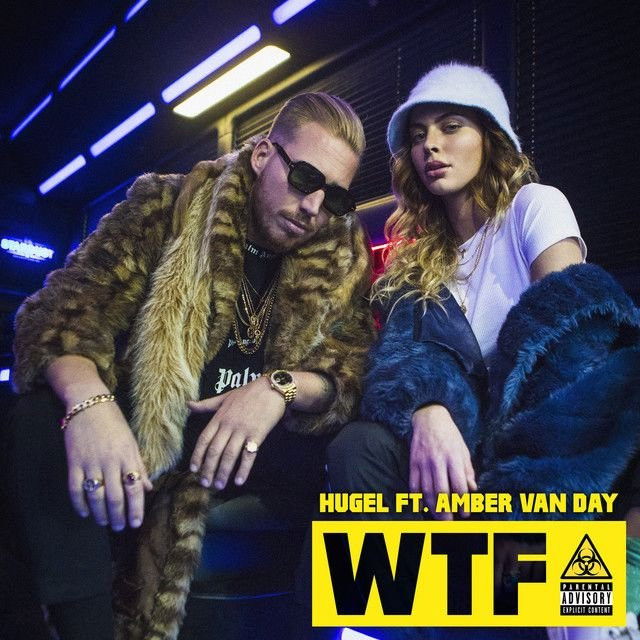
Why 'WTF' Turns Drama Into a Dance-Floor Flex
The meaning of WTF HUGEL, Amber Van Day starts with a simple club scene: someone is staring, testing boundaries, and trying to claim attention. Instead of shrinking, the song answers with attitude. It is not really about romance. It is about status, image, and the choice to stay unbothered when another person wants a reaction.
"WTF" - HUGEL ft. Amber Van Day
I ain't lookin' for enemies
But I ain't playin' nice
Loading lyrics...
Unable to load lyrics
We're unable to display the lyrics at this time. Please try again later.
HUGEL and Amber Van Day build that idea into a sleek dance track. The result is a song that feels sharp, funny, and made for a crowd, even as its lyrics focus on a very personal face-off.
The Real Conflict Hiding Inside the Hook
At its core, the song is about social competition in nightlife. The speaker says they are not seeking a fight, but they also will not play nice just to keep the peace. That balance matters. They are defending their space without pretending to be sweet about it.
Early lines frame the rival as performative rather than authentic. The jab that there is nothing real
about how the other person looks suggests this is a song about fake confidence. In that reading, the problem is not beauty or attraction. It is the use of image as power.
Interpretation: The title phrase and hook are less about confusion than judgment. When the chorus keeps repeating What the fuck
, it sounds like disbelief mixed with dismissal. The speaker is not asking a question because they need an answer. They are calling out behavior they find desperate, bold, or embarrassing.

Watch the official WTF
music video
A Narrator Who Refuses the Competition
One of the song’s smartest moves is how it rejects the usual rivalry script. The narrator directly says Ain't lookin' for drama
and refuses to compete. That line matters because it sets a boundary.
Still, the song does not sound passive. The speaker sees what is happening, especially in the line about someone looking like they want my man
. That detail gives the track its emotional spark. There is a clear challenge in the room, but the response is not panic. It is controlled contempt.
Why the social media image matters
The most revealing lines are the ones about morning-after loneliness. The song pictures the rival waking up alone and posting online with only a phone for comfort. That image shifts the song from a simple club insult to a critique of curated identity.
Interpretation: The track suggests some people build their confidence from attention, not connection. In the club they may look powerful. By morning, they are left with performance instead of intimacy.
How the Verses Build the Song’s Meaning
The verses move in a clear arc:
- They introduce tension and eye contact.
- They frame the rival as fake and provocative.
- They predict a lonely aftermath.
- They answer the challenge with the chorus.
That structure helps explain the meaning of WTF HUGEL, Amber Van Day. The song is not a messy argument. It is a controlled takedown. Every verse detail pushes toward the same idea: real confidence does not need to beg for attention.
Another key phrase is you ain't got a crown
. The line strips away the rival’s imagined status. In a club, where style and visibility often act like social currency, denying someone their “crown” is a way of denying their whole performance.
The Sound: House Music With a Smirk
Musically, the song is designed to hit hard in a club. HUGEL is known for house-driven production and dance-floor grooves, a style widely associated with his catalog and DJ profile on major music platforms like Spotify and Beatport. That matters because the production shapes the message.
The beat gives the song a physical confidence. The hook lands like a chant, not a diary confession. That makes the confrontation feel public and communal. Listeners are not just hearing one person’s annoyance. They are invited to join the eye-roll.
The spoken tag near the end, about hip-hop and the house
, also points to the track’s crossover identity. It wants swagger from rap and release from house music. That blend fits the lyrics well: the verses posture and cut, while the drop turns that posture into movement.
Amber Van Day’s Role in the Attitude
Amber Van Day has built a reputation for bold pop writing and strong vocal personality, as reflected across her artist profiles and songwriting credits on platforms like Spotify. In this song, that edge is crucial.
Her vocal presence sells the message because it sounds amused more than wounded. If the performance leaned sad or angry, the song would feel defensive. Instead, it feels like a winner’s commentary from across the room.
More Than an Insult: A Theme of Karma
The lyric about karma adds another layer. Rather than threatening revenge directly, the song suggests consequences will arrive on their own. That idea keeps the narrator above the mess.
Interpretation: The speaker believes fake status collapses by itself. They do not need to fight hard because the other person’s behavior already contains its own punishment.
That is why the track feels empowering for many listeners. It turns a petty scene into a statement about self-respect. The real flex is not stealing attention. It is refusing to need it.
Why the Song Connects So Fast
Part of the appeal is how recognizable the situation is. Many listeners know the experience of someone performing superiority in a social space. The song takes that familiar tension and gives it a simple, memorable response.
It also keeps things broad enough to fit different situations: jealousy, flirting, rivalry, or just fake energy in the room. That flexibility helps explain why the hook works so well in a party setting.
Final Read on the Message
In the end, the meaning of WTF HUGEL, Amber Van Day is about seeing through appearances and staying confident when someone wants to provoke insecurity. It is a club anthem about image, ego, and the difference between real self-possession and borrowed attention.
The song may sound blunt, but its point is clear: the loudest person in the room is not always the strongest one.
Disclaimer: This interpretation is based on the lyrics provided, the song’s performance style, and publicly available artist context. As with any song, meaning can vary from listener to listener.








