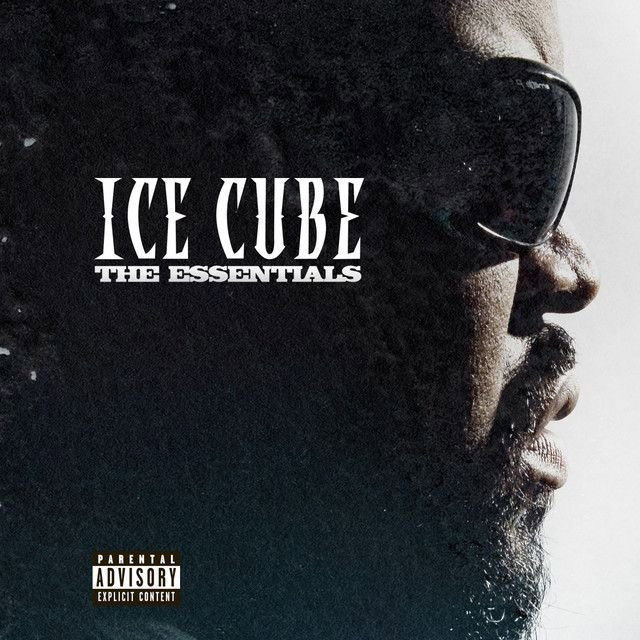
Why “Go to Church” Hits Like a Warning
The meaning of Go To Church Ice Cube, Lil Jon, Snoop Dogg starts with a threat, but it is really about testing courage, protecting reputation, and drawing a hard line between real and fake.
"Go To Church" - Ice Cube, Lil Jon, Snoop Dogg
N**** you need to stop snitchin!
All that yip-yappin and jaw-jackin
Loading lyrics...
Unable to load lyrics
We're unable to display the lyrics at this time. Please try again later.
Released in 2006 as a single from Laugh Now, Cry Later, the track brought together Ice Cube, Snoop Dogg, and producer-featured Lil Jon for a high-volume mix of West Coast rap and crunk energy. It was the album’s second official single, and Lil Jon also produced it, according to the song’s release information and credits. The song is commonly classified as crunk, even as its verses stay rooted in gangsta rap posture and West Coast identity. Those facts are widely documented in reference listings for the single and album release history.
The Hook Turns Fear Into a Public Test
At the center of the song is the repeated command go to church
. On the surface, it sounds almost funny because it uses religious language in a street record.
But the phrase is not spiritual advice. It works as an insult and a challenge. The message is simple: if someone cannot handle conflict, pressure, or consequences, they should step away.
That idea gets sharper when the hook pairs fear with action, using phrases like do your dirt
and put in work
. The chorus divides people into types: the scared, the gutter, the loyal, and the reckless. Interpretation: the song treats courage as social currency. In this world, fear is not private. It gets exposed in public.

Watch the official Go To Church
music video
Ice Cube’s Verse Is About Authenticity
Ice Cube’s part is less about one specific enemy and more about weak behavior in rap and street culture. He calls out people who talk big, avoid confrontation, and hide behind image.
When he throws out the phrase bring the ruckus
, he is framing the track as a showdown between performers and real participants. He suggests many rappers make noise but cannot back it up. In plain terms, the verse attacks false toughness.
There is also a competitive rap layer here. Ice Cube had long built his persona on directness, and this song updates that style for the mid-2000s club era. Instead of sounding reflective, he sounds confrontational on purpose. Interpretation: they are not just threatening rivals; they are defending a code of authenticity.
Snoop Dogg Adds Cool, But Not Calm
Snoop Dogg’s verse changes the texture without softening the message. He brings swagger, neighborhood pride, and a smoother rhythm, but the content still circles power and intimidation.
His opening posture suggests a person moving through dangerous spaces with total confidence. Even when the verse sounds playful, it keeps returning to dominance, status, and readiness. That contrast matters.
Snoop often raps with an effortless glide, and here that style makes aggression sound casual. Interpretation: this may be the verse’s real trick. It presents menace not as panic, but as comfort. In other words, the song’s world is so rough that toughness becomes everyday behavior.
Lil Jon’s Production Explains the Song’s Meaning
The beat is one of the clearest keys to the meaning of Go To Church Ice Cube, Lil Jon, Snoop Dogg. Lil Jon’s production is loud, clipped, and built for crowd response. The chants, ad-libs, and pounding rhythm turn the song into a ritual of confrontation.
This matters because the track does not just describe aggression. It stages it. The chorus is designed for call-and-response, with Lil Jon’s interjections pushing every line into a bigger, more communal moment.
That is why the title works so well. The song flips church language into club language. Instead of confession or worship, the listener gets initiation, judgment, and group pressure. The beat makes the hook feel like a sermon shouted through speakers.
A Clash of Regions and Personas
One reason the record stands out is the combination of artists. Ice Cube and Snoop Dogg bring strong West Coast identities, while Lil Jon brings Southern crunk force.
That blend helps the song mean more than a standard diss or club single. It becomes a meeting point between regional styles that were huge in 2006. Reference summaries of the single also note the official release date, June 1, 2006, and its place on Laugh Now, Cry Later.
The lyrics also stress rank and reputation. Short boasts and territorial markers make the verses sound like introductions at a heavyweight event. Interpretation: the record is performing authority as much as describing it.
The Chorus Works Like a Code of Conduct
The chorus is catchy because it is built like a set of rules. It tells listeners how to sort themselves and others.
If you scaredgo to church
That tiny lyric moment sums up the whole song. Anyone who cannot live by the code should leave the arena. The line is memorable because it reduces a complicated macho worldview into one sharp phrase.
At the same time, it reveals the song’s insecurity. A track this focused on proving fearlessness also shows how important fear is in the first place. Interpretation: beneath the bravado, the song admits that status can be lost fast. That is why everyone sounds so eager to draw boundaries.
Why the Song Still Lands
“Go to Church” still works because it is blunt, theatrical, and self-aware about its own aggression. It is not subtle. It wants to sound huge, intimidating, and entertaining all at once.
For some listeners, it is a pure energy record. For others, it is a snapshot of mid-2000s rap masculinity, where image, toughness, and regional style all collide. Either way, the song’s core message stays clear: in their world, fear invites disrespect, and reputation has to be defended loudly.
That is the lasting meaning of Go To Church Ice Cube, Lil Jon, Snoop Dogg. It is a challenge record dressed like a club anthem, using humor, threat, and sound to ask one question: who is real when pressure arrives?
Disclaimer: This interpretation is based on the lyrics, performance style, and release context. Like many rap songs, it mixes persona, exaggeration, and competitive storytelling, so meanings can vary by listener.







