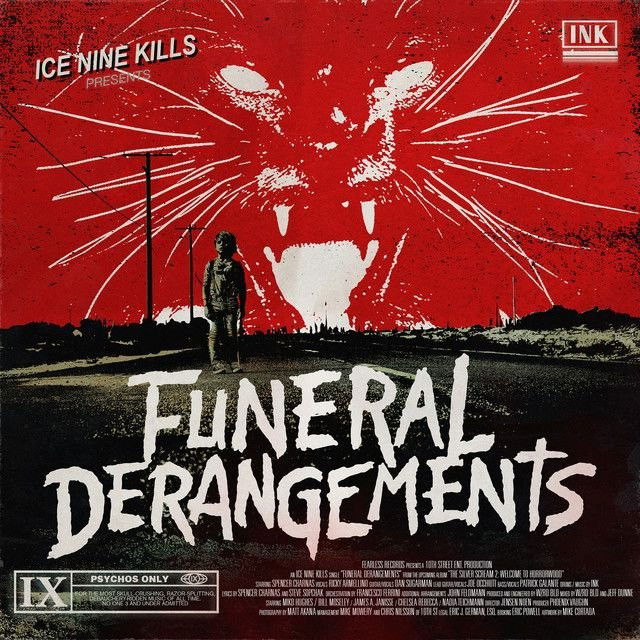
Why "Funeral Derangements" Feels So Tragic
The meaning of Funeral Derangements Ice Nine Kills comes down to one painful idea: grief can make people try to fix what cannot be fixed. In this song, Ice Nine Kills turn Stephen King's Pet Sematary into a metalcore tragedy about denial, guilt, and the terrible cost of refusing death.
"Funeral Derangements" - Ice Nine Kills
Or bring them back forever
Sometimes
Loading lyrics...
Unable to load lyrics
We're unable to display the lyrics at this time. Please try again later.
Released as a single on October 10, 2021, ahead of The Silver Scream 2: Welcome to Horrorwood, the track was described as a Pet Sematary homage in coverage of the release and video debut by Loudwire. The video also featured horror-linked cameos, including Miko Hughes from the 1989 film adaptation. Those facts matter because the song is not hiding its source; it wants listeners to hear the story and then feel the emotional damage inside it.
The Real Horror Is Refusing Loss
At the plot level, the song follows the familiar Pet Sematary logic: someone dies, a grieving person buries them in a cursed place, and what returns is no true restoration. But the emotional center is not the monster. It is the person who cannot accept the funeral.
Early on, the song presents the choice in blunt terms: let the dead stay buried, or bring them back changed. The repeated warning Sometimes dead is better
is the clearest statement in the track. Before and after that phrase, the song frames resurrection not as hope, but as a temptation that grief keeps making sound reasonable.
Interpretation: That is why the song hits harder than a simple horror retelling. It suggests that the scariest force here is not the burial ground. It is love warped by desperation.

Watch the official Funeral Derangements
music video
A Narrator Trapped Between Love and Damage
The speaker sounds like someone bargaining with fate. In the chorus, they promise I'll make this right
, which turns mourning into a mission. That promise is emotional, but it is also dangerous. They are no longer processing loss; they are trying to defeat it.
Another key line, I'd kill to bring you back
, shows the song's twisted logic. It takes a common phrase of devotion and makes it literal. The line tells listeners that grief has crossed into obsession.
The Story Moves Like a Spiral
The narrative unfolds in a few sharp beats:
- Death creates shock and blame.
- A warning is offered, but ignored.
- The speaker digs anyway.
- The return of life becomes spiritual corruption.
- The ending reveals that what came back is worse than death.
That structure matters because each section narrows the speaker's choices. By the time the song reaches its final images, it feels less like a rescue and more like a doomed ritual already in motion.
How the Lyrics Tie Grief to Corruption
Ice Nine Kills use vivid burial language to connect mourning with decay. Phrases about dirt, ashes, bells, and eulogies keep the listener inside funeral imagery, but the song never stays still long enough to sound reflective. It keeps pushing forward, as if the narrator cannot bear silence.
One of the sharpest ideas arrives when the song says souls have spoiled
. That phrase shrinks the whole Pet Sematary concept into a few words. The body may return, but the inner self has rotted. This is the song's moral argument: resurrection is not healing when identity comes back ruined.
There is also a streak of self-accusation throughout the lyric. The speaker sounds partly driven by guilt, not only love. They do not just miss the dead person; they feel responsible for what happened and responsible for undoing it. That is why the burial imagery feels frantic instead of ceremonial.
It all began with a skid
It ends here with funeral derangements
In those lines, the song compresses accident, consequence, and collapse into one final summary. It starts with a moment of violence and ends with a mind and family thrown out of order.
Why the Sound Makes the Meaning Stronger
Musically, "Funeral Derangements" uses the band's horror-metal formula with real purpose. Ice Nine Kills are known for mixing metalcore heaviness with theatrical hooks, and this track leans hard into that contrast. The verses charge ahead with tense riffing and aggressive drumming, while the chorus opens into a more melodic, emotional shape.
That shift is important. The heavy sections feel like panic and burial-site violence. The cleaner, bigger chorus feels like grief speaking in plain language. Instead of softening the song, the melodic chorus makes it sadder because it gives the listener access to the human pain behind the gore.
Interpretation: The breakdowns and sharp rhythmic turns can be heard as the sound of control breaking apart. The song does not just describe derangement; it performs it.
Artist Context Helps Explain the Approach
Ice Nine Kills built The Silver Scream albums around horror-film-inspired songs, so "Funeral Derangements" fits a larger artistic project. According to Loudwire's reporting on the release, frontman Spencer Charnas described the video as an ambitious homage built from core Pet Sematary images: a truck, a cat, a scalpel, and an evil burial ground. That context shows the band aiming for more than references. They want to re-stage the story through sound, theater, and metal spectacle.
For listeners in the U.S., that matters because Pet Sematary is already a major part of American horror culture. The song taps into a story many people know, then emphasizes its oldest lesson: death hurts, but trying to control it can unleash something worse.
Final Meaning: Love That Will Not Let Go
So, the meaning of Funeral Derangements Ice Nine Kills is not just about zombies, curses, or shock value. It is about the moment grief stops being grief and becomes refusal. The song argues that death is tragic, but denial can be catastrophic.
That is why the repeated warning lands so hard. It is not cold or cruel. It is the one truth the narrator cannot accept.
Disclaimer: This interpretation mixes confirmed context about the song's Pet Sematary inspiration with critical reading of the lyrics, themes, and musical choices. As with any song, listeners may hear additional meanings.








