Rainy Day by Ice Nine Kills
The meaning of Rainy Day Ice Nine Kills centers on resistance. The song sounds like a horror chase scene, but its real target is manipulation: hidden truth, social control, and the slow way fear can turn people numb. In classic Ice Nine Kills fashion, the band wraps that message in vivid genre imagery, mixing zombies, games, and catastrophe into one warning.
"Rainy Day" - Ice Nine Kills
Crawl through the holes in the evidence
Where evil has taken up residence
Loading lyrics...
Unable to load lyrics
We're unable to display the lyrics at this time. Please try again later.
A Horror Song With a Human Target
On the surface, "Rainy Day" feels like survival fiction. There are references to evidence, casualties, whispers, and something moving in the dark. But the lyrics point beyond monsters. They describe a world where truth is buried, authority cannot be trusted, and people are pushed to obey.
That is why the repeated idea of not saving truth for later matters so much. When they warn, don't save the truth
, the point is not just urgency. It is moral urgency. The song argues that silence helps danger grow.
Interpretation: They are not only singing about a physical threat. They are also describing propaganda, media spin, and the pressure to fall in line.

Watch the official Rainy Day
music video
Where the Title Gets Its Bite
The phrase "rainy day" usually means a future emergency or a time to prepare. Here, Ice Nine Kills flips that idea. Truth should not be stored away for some safer moment. Waiting becomes its own kind of failure.
That twist gives the chorus its power. Instead of treating honesty like something to use later, the song frames it as the only weapon that works now. In other words, delay is dangerous.
This is one reason the meaning of Rainy Day Ice Nine Kills feels larger than its plot. The band takes a simple phrase and turns it into a critique of denial.
The Story They Tell, Beat by Beat
The verses move like a warning broadcast. First, they place the listener inside broken systems: there are holes in evidence, casualties in the cracks, and morality tossed aside. Then they present a choice.
That choice comes in one of the song's clearest images: soldier for the controller
or fight back. The line compares obedience to being programmed. It suggests that power wants followers, not thinkers.
From there, the song raises the pressure. The listener is asked whether they can hear the whispering
. That idea works on two levels. It could mean paranoia creeping in, but it could also mean the soft, constant voice of influence: lies repeated until they seem normal.
Later, the lyrics call survivors to resist the zombie
they are being turned into. The metaphor is blunt on purpose. Zombies are stripped of thought and agency. The song's fear is not just death. It is becoming empty, automatic, and easy to control.
Gaming Language as Social Criticism
One of the smartest parts of the song is how it blends horror with video game language. Phrases like beat the game
and "all access denied" make the conflict feel mechanical, like a system with rules, gates, and punishments.
That matters because the song is about control. Games involve levels, commands, and outcomes decided by a larger design. By using that language, Ice Nine Kills suggests modern life can feel rigged: people are funneled into choices, scored by systems, and punished for stepping outside them.
The line about ignorance being over, followed by a game-over image, sharpens the theme. Once truth is visible, there is no excuse left. They cannot go back to innocence.
Interpretation: The gaming metaphors may also point to how entertainment, media, and technology can blur into systems of conditioning.
How the Sound Sells the Panic
Ice Nine Kills are known for blending metalcore aggression with theatrical hooks, a style documented across the band's official materials and release history at Ice Nine Kills and Fearless Records. In "Rainy Day," that approach serves the song's meaning perfectly.
The guitars hit hard and fast, giving the verses a hunted feeling. The rhythm section drives forward with almost no room to breathe, which mirrors lyrics about suffocation and pursuit. Electronic textures add a synthetic edge, reinforcing the theme of control and artificial influence.
Spencer Charnas delivers the lines with a mix of command and alarm. He does not sound reflective; he sounds activated. That performance makes the song feel less like a diary entry and more like a siren.
Artist Context Helps Explain the Approach
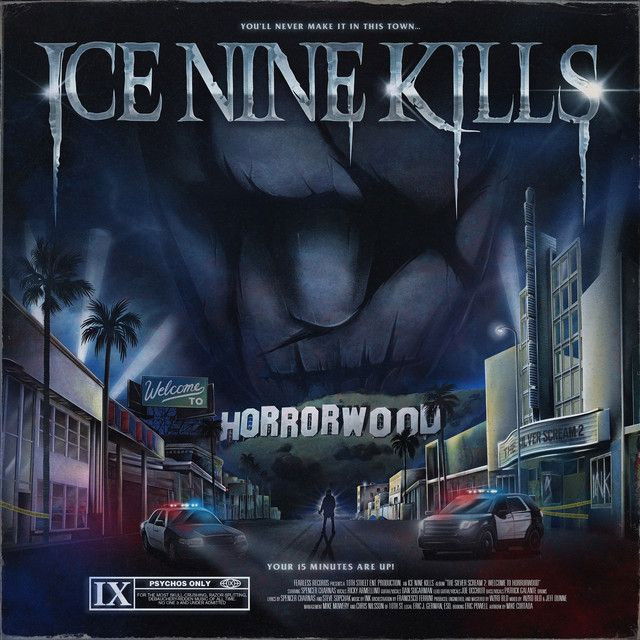
Ice Nine Kills built much of their identity around horror storytelling, especially on albums like The Silver Scream and The Silver Scream 2: Welcome to Horrorwood, as noted in the band's official discography and label pages at Ice Nine Kills and Fearless Records. That background matters here.
Even when they are addressing social fear, they rarely do it in plain language. They prefer masks, monsters, and cinematic setups. "Rainy Day" follows that method. It turns real anxieties about truth and control into an apocalyptic scenario, which makes the message easier to feel in the body, not just understand in the mind.
Songwriting credits provided for the track list Daniel Sugarman, Joseph Occhiuti, Matt Good, Spencer Charnas, Stephen Sopchak, and Andrew Fulk as writers. That team helps explain why the song balances sharp hooks with dense, image-heavy writing.
The Strongest Reading of the Song
The clearest reading is that "Rainy Day" is a call to stay alert while institutions, systems, or mass influence try to flatten people into obedient shells. Its darkness is less about a monster attack than about moral sleepwalking.
The final command, Run
, captures that urgency. It is not only about escape. It is also about action: move now, question now, speak now.
Final Take
The meaning of Rainy Day Ice Nine Kills lies in its warning against delayed truth and passive obedience. By mixing horror images with game mechanics, the band creates a song about survival in a world that rewards numbness.
That is an interpretation based on the lyrics, sound, and artist context, not an official statement of intent.









