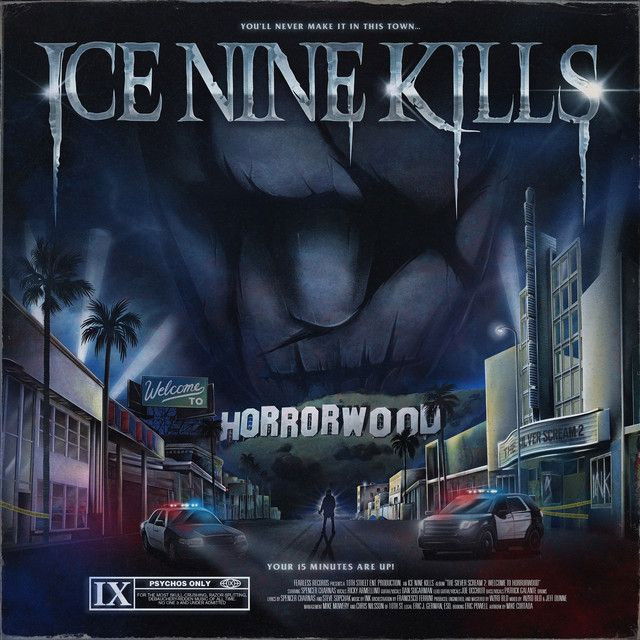
The Box by Ice Nine Kills, Brandon Saller, Ryan Kirby
The meaning of The Box Ice Nine Kills, Brandon Saller, Ryan Kirby starts with a simple idea: some doors should stay closed, yet people open them anyway. In this song, Ice Nine Kills turn that idea into a horror-metal sermon about temptation, pain, and the strange appeal of evil.
"The Box" - Ice Nine Kills ft. Brandon Saller, Ryan Kirby
All hail
Your master, 'cause this is Hell
Loading lyrics...
Unable to load lyrics
We're unable to display the lyrics at this time. Please try again later.
Their horror-based writing style is well documented through the band’s album concepts and press coverage around The Silver Scream era and beyond (Ice Nine Kills, Fearless Records). “The Box” fits that approach by drawing on Hellraiser imagery, especially the cursed puzzle box known as the Lament Configuration.
A Horror Story About Desire, Not Just Fear
On the surface, the song describes a descent into Hell. The lyrics mention hooks, chains, needles, and the puzzle box breaking open again. Those images place the listener in a world inspired by Clive Barker’s Hellraiser, where suffering and desire are tangled together.
Interpretation: the deeper subject is not just torture. It is the human urge to chase forbidden experience even when the cost is obvious. When the song asks whether it is pleasure or pain, it frames the central conflict: the victim may also be a seeker.
That is why one of the most revealing lines is think outside the box
. It sounds clever at first, but here it is warped into something dangerous. The phrase suggests curiosity, rebellion, and escape, yet in this story, thinking beyond limits opens the gate to damnation.
Watch the official The Box
music video
How the Hellraiser References Shape the Meaning
The clearest factual anchor is the lyric about the Lament Configuration
, the supernatural puzzle box from Hellraiser lore. That reference matters because the box is not just a prop. It represents a choice. Someone solves it, summons horror, and then cannot undo what they invited.
The song builds around that same trap. The repeated image that the puzzle's in pieces again
suggests a cycle. Evil is not defeated. It is reopened. The problem returns because someone, somewhere, keeps reaching for the box.
Pinhead as Priest and Tempter
Another key image is the ruler of this world, described as a Master of Sin
. The song presents this figure almost like a dark priest. That blends religion with horror in a way that makes the threat feel ritualistic, not random.
Interpretation: this matters because the song is not just about monsters attacking. It is about people submitting. The repeated calls to hail and bow turn the track into an anti-hymn, where worship becomes surrender to pain.
The Song’s Biggest Theme: Evil Can Look Like Salvation
The most important lyric idea may be Demons become angels to some
. In plain terms, the song says that what is clearly monstrous to one person can seem beautiful, freeing, or even holy to another.
That line helps explain the whole track. It captures addiction, obsession, lust for power, and the attraction of taboo. In the world of the song, Hell does not only terrify. It seduces.
Is it pleasure or pain?
All hope is hanging from these hooks and chains
That brief passage shows the core paradox. The song places hope next to torture imagery, which is deeply unsettling. The point is not that suffering is good. The point is that the characters in this world have become so morally disoriented that pain is treated like revelation.
Where the Verses and Chorus Meet
The verses ask moral questions. They wonder about virtue, sin, doubt, and salvation. The chorus answers with submission. Instead of offering escape, it doubles down on ritual and reverence for Hell.
This structure is important. The verses leave room for thought, but the chorus removes that distance and turns thought into action. Once the hook arrives, the song no longer sounds like a warning alone. It sounds like indoctrination.
That is why the refrain works so well in a live or theatrical sense. Ice Nine Kills often use big, chant-ready choruses and cinematic setups in their songwriting (Loudwire, Revolver). Here, the chorus feels like a crowd being pulled into the ritual.
How the Sound Sells the Story
Musically, “The Box” supports its meaning through contrast. The heavy riffs and aggressive drumming create force and panic, while the cleaner melodic sections add a seductive pull. That push and pull mirrors the song’s central paradox: attraction and punishment happening at once.
Brandon Saller’s presence adds drama and melody, helping the song feel more theatrical. Ryan Kirby brings added weight and intensity, sharpening the track’s violent edge. Together, those guest performances help the song move between invitation and assault.
Interpretation: that vocal contrast is not just a feature choice. It reinforces the theme that evil rarely arrives in one form. Sometimes it whispers. Sometimes it commands.
A Few Stronger Ways to Read “The Box”
There are at least two useful readings of the song:
- Literal horror reading: it retells a Hellraiser-style story about opening the box and entering a realm ruled by suffering.
- Psychological reading: the box stands for any forbidden desire people know will harm them, but pursue anyway.
- Spiritual reading: the song shows what happens when worship, salvation, and sin get twisted into the same language.
All three readings can coexist. That is part of why the track works. It is vivid enough as horror, but broad enough to reflect real-world temptation.
Why the Song Sticks
The meaning of The Box Ice Nine Kills, Brandon Saller, Ryan Kirby is ultimately about choosing the thing that destroys them because it also promises transcendence. The box is curiosity. The master is temptation. Hell is the consequence that arrives dressed as revelation.
That makes the song more than a clever horror tribute. It becomes a sharp statement about how people can mistake obsession for enlightenment.
Disclaimer: This interpretation is based on the song’s lyrics, horror references, and known artist style. As with most songs, listeners may hear different meanings in the same images.









