
Why 'Dream' by Imagine Dragons Feels So Sad
The meaning of Dream Imagine Dragons comes down to a painful idea: sometimes fantasy feels safer than reality. In this song, they describe a speaker who sees the world clearly enough to know it is broken, but still wants the comfort of illusion.
"Dream" - Imagine Dragons
And I'm right on the middle mark
I'm just in the tier of everything that rides below the surface
Loading lyrics...
Unable to load lyrics
We're unable to display the lyrics at this time. Please try again later.
That tension gives the track its power. It is not a celebration of hope in a simple way. Instead, it sounds like someone trying to survive disappointment by holding on to a dream, even while admitting that dream cannot fully last.
The Core Message Hiding in Plain Sight
At its center, “Dream” is about disillusionment. The speaker begins in darkness and emotional uncertainty, standing between what they expected from life and what they actually found. When the song says life is not what it appeared to be, it frames the whole track as a loss of innocence.
A key line of thought appears in phrases like living in a dream
and everything's a mess
. Paraphrased, the song argues that people build mental pictures of a beautiful, ordered life, but experience keeps tearing those pictures apart.
Interpretation: They are not only describing one personal breakdown. They may also be describing a wider human habit: people soften reality with fantasy because truth can be too harsh all at once.
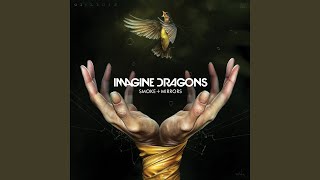
Watch the official Dream
music video
Youth, Distance, and the Shock of Reality
The verses matter because they show how this disillusionment formed. Early lines place the speaker at a distance, watching rather than joining in. That distance suggests alienation. They are present in the world, but they do not feel fully inside it.
The teenage imagery is especially important. The song refers to a young, polished view of life, where beauty seems bright and clean. Phrases like teenage crystallized
and prettiest of lights
suggest a glossy version of growing up, almost like a memory of school hallways, home, and youthful expectation.
Then the song undercuts that image. There are cries outside, strangers in the night, and curtains kept closed. In plain terms, the speaker knows suffering exists, but chooses not to look too directly. That makes the song less naive than it first appears. It already knows the truth; it just struggles to live with it.
What the Chorus Really Means
The chorus is the emotional center of the song because it keeps repeating two ideas: people are dreaming, and the world is chaotic. That repetition feels obsessive, almost like the speaker is trying to convince themselves of both things at once.
On one side, dreaming means longing, innocence, and escape. On the other, the repeated claim that life is messy sounds like unwanted clarity. When they sing I wanna dream
, it does not feel carefree. It feels desperate.
But I wanna dream
Leave me to dream
This short plea shows the song’s deepest conflict. The speaker is not asking to discover truth. They are asking for temporary shelter from it.
How the Song Moves From Denial to Admission
The last section shifts the meaning in an important way. The speaker says they understand the reasons people hide reality from one another. That is a mature moment. They no longer sound confused; they sound aware.
Then comes the blunt admission that things are, in fact, broken. This is the song’s turning point. At first, dreaming seemed like a shared condition. By the end, dreaming seems like something they are leaving behind, even if they still want its comfort.
Interpretation: That contradiction is the point. Recovery from illusion is not clean. A person can know the truth and still miss the protection of not knowing.
Sound and Production: Why It Hurts So Quietly
Musically, “Dream” is more restrained than many of Imagine Dragons’ best-known hits. The band is widely known for huge drums, sharp hooks, and explosive choruses, as heard across their official catalog and major releases documented by Interscope. Here, the sound is softer and more inward.
The arrangement leans on atmosphere rather than force. Slow pacing, airy textures, and a vulnerable vocal delivery make the song feel suspended, almost half-awake. That matters because the production mirrors the theme: they are floating between emotional numbness and painful awareness.
Instead of pushing toward triumph, the music lingers in uncertainty. Even when the chorus opens up, it does not fully explode. The restraint keeps the sadness intimate.
Artist Context Adds Another Layer
“Dream” was written by Alexander Junior Grant, Dan Reynolds, Wayne Sermon, Ben McKee, and Daniel Platzman, as provided in the song credits shared in the prompt. That full-band writing credit fits the song’s broad emotional reach. It feels personal, but not narrowly autobiographical.
Within Imagine Dragons’ larger body of work, the song also fits a recurring interest in inner struggle, identity, and emotional pressure. Many of their songs balance uplift with pain. “Dream” is unusual because it strips away most of the uplift and leaves the ache exposed.
A Few Strong Readings of the Song
There is more than one valid way to hear this track:
- Loss of innocence: youth promised beauty, adulthood revealed disorder.
- Mental escape: dreaming works as a defense against depression or overwhelm.
- Social critique: people ignore suffering by closing the curtains and protecting comfort.
- Fame or ambition letdown: dreams of being
golden and on top
fail to satisfy.
All four readings fit because the lyrics stay open enough to hold both private and public disappointment.
The Lasting Meaning of Dream Imagine Dragons
The meaning of Dream Imagine Dragons is not that dreams are false and useless. It is that dreams can comfort people, but they can also hide pain that eventually demands attention. The song captures the moment when someone sees through the illusion but still longs for its warmth.
That is why it stays with listeners. It understands that truth and escape often live side by side.
Disclaimer: This interpretation is based on the song’s lyrics, sound, and available songwriting context. As with most art, other readings are possible.








