Why ‘I’ll Make It Up to You’ Still Hurts
The meaning of I'll Make It Up to You Imagine Dragons comes down to one hard tension: love is still there, but trust is wearing thin. The song is not a grand romance. It is a confession from someone who knows they have caused pain and is trying, maybe too late, to keep the relationship alive.
"I'll Make It Up to You" - Imagine Dragons
Promised you all that I had
Hoping that you understand
Loading lyrics...
Unable to load lyrics
We're unable to display the lyrics at this time. Please try again later.
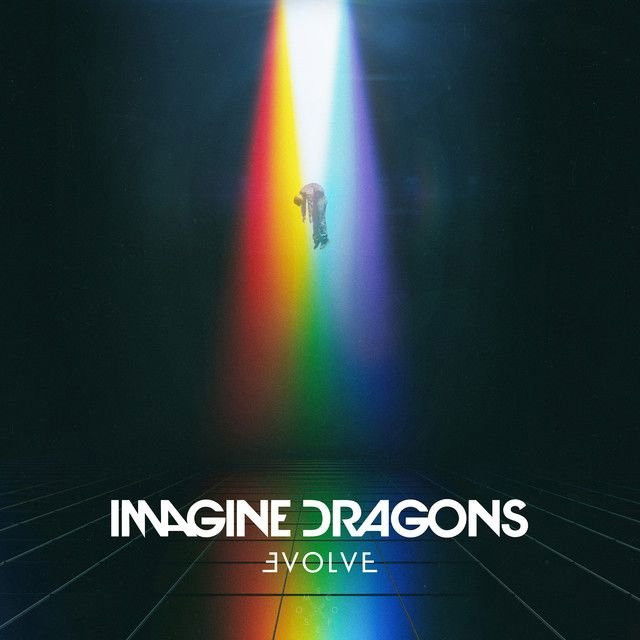
Released on Evolve in 2017, the track sits inside an album that helped Imagine Dragons move deeper into sleek pop-rock while keeping their emotional directness. Factually, the song appears on the band’s third studio album, Evolve, by Imagine Dragons. That context matters because the album often pairs huge hooks with private strain.
At the Center Is an Apology That May Not Be Enough
The song opens with admission, not defense. The narrator says he took love, made promises, and knows he is far from a perfect man
. That phrase matters because it frames everything that follows. He is not asking to be seen as innocent; he is asking for one more chance.
From there, the verses paint a relationship in decline. The line about a hard year
broadens the problem beyond one argument. This sounds like accumulated damage: disappointment, emotional neglect, and a partner who has heard too many promises before.
Interpretation: The song’s emotional force comes from how ordinary the problem feels. There is no dramatic plot twist. Instead, it captures the slow erosion that happens when affection remains but reliability disappears.

Watch the official I'll Make It Up to You
music video
Who They Are Singing To
This is a direct address to a romantic partner, and the speaker seems painfully aware of her unhappiness. When the song mentions crying alone in a bedroom, it places the hurt in a private space. That image suggests isolation even inside a relationship.
The promise I’ll make it up to you
is repeated like a lifeline. On one level, it sounds tender. On another, repetition makes it feel unstable, as if saying the words over and over could somehow do the work that action has not yet done.
A Small but Crucial Turn
One of the sharpest lines is the idea that promises are nothing more
than fleeting thoughts. The narrator almost undercuts his own chorus. He knows words are weak. That self-awareness gives the song more depth than a simple apology ballad.
In my darkest hour
in the dead of the night
I’ll make it up to you
This is the song’s emotional core: a vow made at the exact moment when confidence is lowest.
How the Story Moves
The song unfolds in a clear emotional sequence:
- The speaker admits fault and imperfection.
- He describes a relationship stuck in a painful rut.
- He asks for physical and emotional closeness for one more night.
- He repeats a promise of repair, even while admitting promises may be weak.
That structure mirrors a real argument after trust has been damaged. First comes confession, then context, then a plea, then a promise. The problem is that the listener can hear how fragile the promise is.
The Chorus Is Catchy, but the Meaning Is Heavy
Musically, the chorus is built to stick. Lyrically, though, it is almost claustrophobic. The title phrase keeps returning, and each repeat adds urgency rather than comfort.
Interpretation: This chorus works because it can be heard two ways at once:
- as a sincere vow to change
- as evidence of a cycle that has happened before
That ambiguity is why the song lingers. The speaker may mean every word, but meaning it is not the same as fixing the damage.
The Sound Makes the Guilt Feel Bigger
Like much of Evolve, the track blends rock emotion with polished pop production. The band and album are widely associated with pop rock, electronic pop, and arena-sized dynamics during this period, as reflected in coverage of Evolve. In this song, the clean beat and swelling chorus make the apology sound massive, almost larger than the private scene it describes.
That contrast is important. The words are intimate, but the sound is expansive. Imagine Dragons often use that scale to turn personal struggle into something communal. Dan Reynolds’ vocal delivery helps too: he sings with strain and conviction, which makes the promise feel emotionally real even when its success remains doubtful.
The Key Images: Night, Vices, and Distance
A few recurring ideas carry most of the meaning:
Nighttime as truth-telling
The references to darkness suggest the hour when defenses drop. Night is where guilt gets loudest and where the narrator finally says what he has been avoiding.
“Vices” as a vague but powerful confession
The song mentions the vices that follow a man
. That wording is broad on purpose. It could mean temptation, self-destructive habits, emotional unavailability, or patterns tied to fame and pressure.
Interpretation: Because the song does not specify the vice, listeners can project many forms of struggle onto it. That makes the song more universal.
Eyes as emotional distance
When he sees in her eyes the places she would rather be, the song captures a brutal moment: the loved one is physically present but mentally halfway gone.
A Wider Imagine Dragons Context
Imagine Dragons often write about inner conflict, pressure, and trying to survive one’s own worst habits. That does not make every song autobiographical, but it does place this track inside a familiar emotional world for the band. The credited writers include the band members alongside Timothy Edgar and Timothy Randolph, matching official album credit listings for the song on ASCAP and major music databases like Genius.
Final Take on the Song’s Meaning
So, what is the meaning of I'll Make It Up to You Imagine Dragons? It is a song about love after failure—about wanting forgiveness while knowing forgiveness cannot be demanded. Its sadness comes from the gap between emotion and proof.
The narrator may truly love this person. The song never asks listeners to doubt that. What it does ask them to question is whether love, by itself, can repair repeated hurt.
Disclaimer: This interpretation is based on the lyrics, song context, and publicly available credits. As with most songs, meaning can vary from listener to listener.









