Why Interpol’s “See Out Loud” Feels Like 5AM Clarity
The meaning of See Out Loud Interpol starts with a contradiction. The title phrase suggests senses crossing over, as if sound becomes vision and emotion becomes atmosphere. That strange mix fits the song’s world: late night, heavy music, attraction, doubt, and a burst of insight that only arrives when normal boundaries fall away.
"See Out Loud" - Interpol
I can see out loud, I know
I start to feel pixelated
Loading lyrics...
Unable to load lyrics
We're unable to display the lyrics at this time. Please try again later.
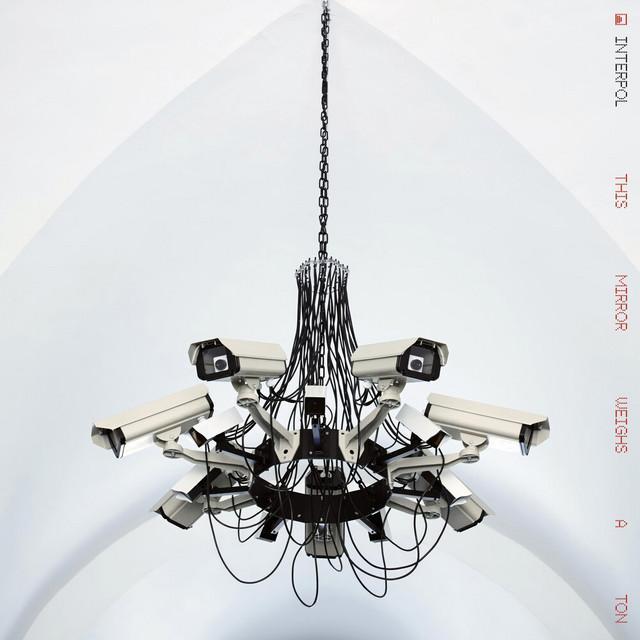
Released as a single from Interpol’s 2026 album This Mirror Weighs A Ton, the track was described by Paul Banks as a party song on the surface, but with deeper layers underneath. That comment matters because the song really does work in two ways at once: as a vivid scene at 5 a.m., and as a meditation on freedom, connection, and emotional release.
The Party Is Real, but It Isn’t the Whole Story
On the most direct level, the song places the listener inside a nightlife moment. Images like 5 AM
, teeth-marked skin
, and neon cloud
suggest a club or after-hours setting where bodies, lights, and music blur together.
Banks told NME that the key lyric is about “striving for elation” and the revelation that nightlife can sometimes bring. That makes the song more than a snapshot of reckless fun. It is about chasing a feeling intense enough to crack open ordinary thinking.
The line I can see out loud
captures that altered state. Interpretation: the speaker seems so immersed in sound and sensation that perception itself changes. They are not simply hearing music; they are experiencing a kind of temporary enlightenment through it.
Desire and Permission in the Chorus
One of the song’s most revealing ideas comes when the speaker says they are not there to control the other person, but to free them. That is a major emotional pivot. Instead of possessiveness, the song leans toward release.
This is why the phrase let you out
matters so much. In context, it suggests emotional permission: the speaker wants honesty, expression, and maybe even transformation. They are asking for something vivid and real, not a shallow interaction.
That helps explain another key line, save some for me
. The request sounds flirtatious at first, but it also carries longing. They want magic, poetry, and revelation, yet they do not want to be shut out from it. They want to share in that awakened state.
A Speaker Caught Between Confidence and Uncertainty
Even with all its forward motion, the song is not fully secure. The narrator shifts between excitement and self-questioning. They wonder what role they play in this connection: lover, witness, or someone temporarily chosen for the moment.
That emotional instability is central to the meaning of “See Out Loud.” The song understands that intimacy at night can feel profound and fragile at the same time. The speaker feels drawn in, but they are also trying to understand whether this bond has lasting weight.
Three emotional turns shape the lyric
- Immersion: the song opens in sensory overload, where sound, touch, and light merge.
- Invitation: the speaker asks for something magical and emotionally generous.
- Commitment through abandon: by the end, they no longer sound detached; they sound all-in.
That final shift is important. Early in the song, the scene feels unstable and pixelated. Later, the closing idea suggests they are staying, emotionally and physically, inside the moment.
Why “Pixelated” and “Buried in the Sound” Matter
Interpol often write in images rather than plain statements, and this song is a strong example. Words like “pixelated” make modern life feel fragmented, digitized, and slightly unreal. The person is present, but their sense of self starts to break into pieces.
Then the music or atmosphere swallows them up. Being “buried in the sound” does not read as purely negative here. Interpretation: it suggests surrender. The speaker may lose a clear outline of themselves, but in doing so they also escape control, distance, and self-consciousness.
Today we're all friendsMay we go and see?
This brief closing passage changes the song’s emotional scale. What began as a private encounter starts to feel communal, almost utopian. For a moment, separateness drops away. Everyone belongs to the same pulse.
How the Sound Carries the Meaning
The band’s comments about the track help here. Banks said it has a “classic Interpol bassline,” and NME noted that it taps the pulsing energy of Antics and El Pintor. That style matters because repetition and rhythm are doing narrative work. The groove creates the trance that the lyrics describe.
The broader album was produced by Andrew Wyatt and mixed by Dave Fridmann, with an expanded palette that includes synth textures, layered harmonies, and experimental sound design. In “See Out Loud,” that approach supports the song’s dreamlike vocabulary. The sound feels sleek but unstable, which mirrors the lyric’s mix of pleasure and disorientation.
Another notable detail is Daniel Kessler’s rare vocal appearance in the synthy interlude. That added voice gives the song a slight split-perspective effect, as if the night itself begins talking back.
The Bigger Meaning of “See Out Loud”
So what is the meaning of See Out Loud Interpol in the clearest terms? It is about what can happen when a person gives themselves over to sound, desire, and the late-night rush of being fully present with someone else. On the surface, it is a club-song romance. Underneath, it is about wanting liberation without losing connection.
There is also a deeper Interpol theme here: clarity found inside darkness, not outside it. The lyric suggests that coldness would feel strange without darkness around it. In other words, intensity and uncertainty are not mistakes in the experience; they are part of what makes revelation possible.
The Lasting Takeaway
“See Out Loud” turns nightlife into a language for emotional awakening. It captures the rush of attraction, the fear of misreading it, and the hope that surrender might lead to something true.
That is what makes the song feel larger than a simple party scene. It hears freedom in the noise and tries to turn that freedom into connection.
Interpretation disclaimer: This reading is based on the lyrics, confirmed release context, and brief comments from Paul Banks. Like many Interpol songs, “See Out Loud” remains open to more than one meaning.







