What "The Road of Bones" by IQ Really Means
The meaning of The Road Of Bones IQ starts with a disturbing idea: a person has crossed a moral line and now sees their own violence as a source of identity. Rather than asking for pity, the song places listeners inside a mind that feels guilt, hunger, pride, and self-disgust at the same time.
"The Road Of Bones" - IQ
Lights the remnants on display
I do not seek forgiveness, nothing to absolve
Loading lyrics...
Unable to load lyrics
We're unable to display the lyrics at this time. Please try again later.
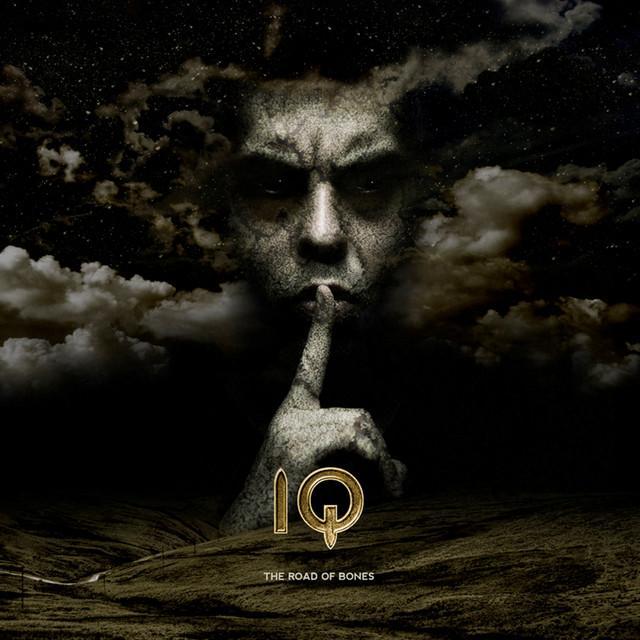
IQ, the English progressive rock band formed in the early 1980s, released The Road of Bones in 2014, with Peter Nicholls and Mike Holmes credited as writers. That basic release context comes from the band’s official discography and album materials. The title track stands out because it mixes narrative horror with psychological detail, which is one reason fans often return to it when discussing the band’s darker work.
A Narrator Who Knows They Are Lost
At the start, the speaker wakes to the aftermath of what they did. They do not try to excuse themselves. When they say I do not seek forgiveness
, the point is not bravery. It is emptiness. They already know what they are.
That is what makes the opening so effective. The song does not build toward innocence being shattered. It begins after the act, in a place where remorse has become tangled with relief. The line about almost hating themselves suggests a conscience that still exists, but only barely.
Interpretation: This is less a confession than a self-portrait of moral collapse. They are showing a person who still recognizes evil but no longer stops doing it.

Watch the official The Road Of Bones
music video
The Real Horror Is Power
The next part shifts from private guilt to public fear. The town sees the damage, and the speaker watches that reaction closely. When they declare I am someone now
, the song reveals its ugliest truth: violence has given them status.
That detail matters to the meaning of The Road Of Bones IQ because the lyrics are not only about death. They are about control. The speaker seems to crave the shock they create. Later, they even describe the town’s stunned response as the point of it all.
This makes the song feel less like a standard murder ballad and more like a study of what happens when a person uses terror to feel visible. They are not just destroying others. They are building a self out of the destruction.
Why the Title Image Hits So Hard
The central symbol comes in the repeated image of the road of bones
. On the surface, it suggests a trail marked by bodies and graves. The nearby image of shallow graves
strengthens that reading and turns the landscape into evidence.
But the title also works as a metaphor. A road is something built, followed, and extended. In that sense, the speaker is making a path through life using the remains of everyone hurt along the way.
The shadow cross my face
Shallow graves I mark with stones
Those brief lines show two levels of meaning at once. There is an outward trail of damage, but there is also an inward stain. The shadow is guilt, fate, or the sign of a self permanently darkened.
A Ritual, Not a Random Crime
One of the most revealing phrases describes an unkind, compelling dance
. That wording makes the violence feel ritualized rather than impulsive. The speaker acts as if they are trapped in a pattern they recognize and continue anyway.
That matters because it adds compulsion to the song’s emotional mix. They are not simply cruel. They are also driven. The word “dance” suggests repetition, motion, and a partner, even if that partner is death, obsession, or the speaker’s own darker nature.
Interpretation: Some listeners may hear the song as a literal crime narrative. Others may read it as an allegory for addiction, abusive power, or obsessive ambition. In those readings, the “road” is the chain of ruined lives left behind while chasing a need that is never fully satisfied.
How IQ’s Sound Deepens the Meaning
IQ’s progressive style is crucial here. The band is known for long-form arrangements, layered keyboards, dramatic guitar work, and Peter Nicholls’ theatrical vocal delivery. On this song, that approach supports the lyrics by making the inner state feel vast and oppressive rather than small and personal.
The track moves with patience instead of speed. That slower burn lets dread gather. Keyboards create a cold, open space, while the guitars add weight and tension. When the vocal rises, it does not sound like simple anger; it sounds like pressure breaking through.
This is one reason the song lands so strongly. The arrangement mirrors the narrator’s mind: controlled on the surface, but unstable underneath. Progressive rock often thrives on contrast, and here the contrast between beauty and brutality is the whole point.
The Strongest Reading of the Song
The most convincing explanation is that the song examines how evil can become identity. The speaker begins with aftermath, moves into domination, and ends in a world where horror has become routine. Their path is now fixed.
For readers searching for the meaning of The Road Of Bones IQ, the key is to notice that the lyrics never ask them to admire the speaker. They ask them to witness a psyche that has turned numb, then grand, then almost ceremonial in its self-justification.
That is why the song lingers. It is not only dark; it is observant. It understands that the scariest villains are often those who turn shame into purpose.
Final Thought
IQ use violent imagery to explore guilt, control, and the seduction of being feared. The song can be heard literally or symbolically, but in either case it traces a path of damage that the speaker keeps choosing.
Disclaimer: This interpretation is based on the lyrics, known song credits, and the band’s musical context. As with most progressive rock songs, listeners may reasonably arrive at different meanings.







