How “New York Times” Turns NYC Into a Headline
A City Portrait With Pride and Warning
The meaning of New York Times J. Cole, 50 Cent, Bas starts with a simple idea: New York is both a dream and a trap. The song treats the city like front-page news, where ambition, violence, class struggle, and survival all compete for attention.
"New York Times" - J. Cole ft. 50 Cent, Bas
But this shit really for Queens though
Really for Queens though!
Loading lyrics...
Unable to load lyrics
We're unable to display the lyrics at this time. Please try again later.
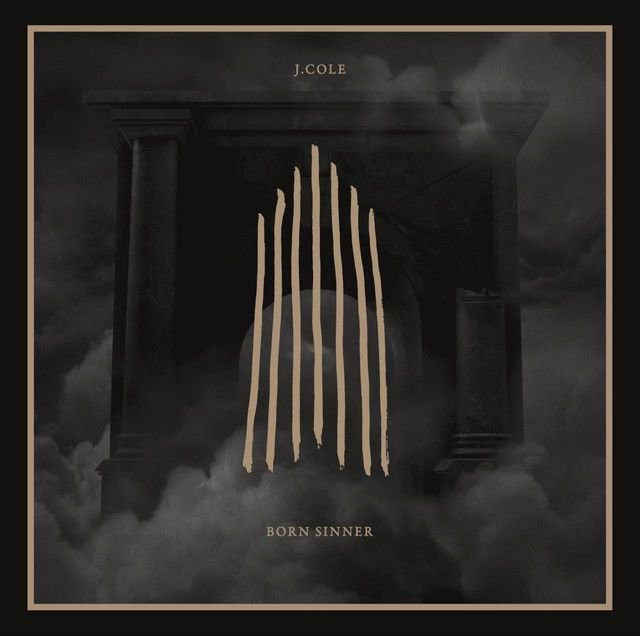
Factually, the track appears on the deluxe edition of Born Sinner and also showed up on Truly Yours 3, with Bas on the final verse and 50 Cent on the hook, as noted by Songfacts. That lineup matters. J. Cole brings reflection, Bas brings the immigrant-and-hustler perspective, and 50 Cent gives the song a classic New York toughness.
Rather than praising the city in a simple way, they show its contradictions. The song admires New York’s hunger but also reports on the cost of that hunger.

Watch the official New York Times
music video
Why the Title Matters More Than It First Seems
The title works in two ways. It points to New York as a place and to the famous newspaper name, turning the track into a kind of rap bulletin. The repeated hook feels like a street edition of the news, especially with the phrase Extra, extra
framing the chorus.
That matters because the verses read like headlines from lived experience. One moment they are talking about trying to make it; the next, they describe shootings, police pressure, poverty, and racial inequality. The song asks listeners to hear these lives as newsworthy, not invisible.
Interpretation: The title suggests that daily life in Queens and Southside neighborhoods deserves the same attention as anything printed in a major paper.
J. Cole’s Verse: A Southern Outsider With a New York Lens
Cole opens by calling himself a New York mind
even while identifying as Southern. That line sets up his position: he is both inside and outside the city’s identity. He respects New York’s code, but he is also observant enough to report on it.
He describes Queens as a place where people chase money by any means
. That phrase does not celebrate crime so much as show the pressure of the environment. In his verse, success is attractive, but danger is always nearby.
One of the strongest parts of Cole’s writing is how quickly he moves from ambition to vulnerability. He talks about a friend being shot and left in a coma, then shifts into prayer and destiny. The effect is clear: New York can make people feel chosen and threatened at the same time.
A Short Lyric Snapshot
He frames that conflict in a few compact images:
Concrete jungle
trying to be Kings
Those phrases summarize the whole verse. The city is hard, crowded, and competitive, yet people still reach for power, dignity, and escape.
The Hook: 50 Cent as the Voice of New York Myth
50 Cent’s chorus gives the song its biggest statement. He leans into the old idea that if someone can succeed in New York, they can succeed anywhere. Even without quoting the full hook, its message is obvious: the city remains a proving ground.
Because 50 Cent built his image around surviving Queens and turning that survival into fame, his presence adds real weight. Cole told MTV News, quoted by Songfacts, that he had imagined 50 on the melody before they recorded it together. That story explains why the hook sounds so natural. It is not just a feature; it is a casting choice.
Interpretation: The chorus sells the myth of New York while the verses expose the reality behind it. That tension is the song’s engine.
Bas Changes the Focus From Struggle to Ascent
Bas’s final verse shifts the song from observation to testimony. He contrasts an earlier life of hustling with a present life that includes wealth, travel, and famous company. His rise gives the song a payoff: New York’s pressure can break people, but it can also forge them.
Still, his verse is not pure victory music. He keeps the edge of the street in his delivery and imagery. Even after success, the violence and paranoia remain close. That emotional residue fits the larger theme: escaping a hard environment does not erase it.
His contribution also broadens the song’s point of view. Bas, a frequent Dreamville collaborator, often writes from the perspective of someone navigating identity, status, and movement. Here, that perspective helps the song feel bigger than one artist’s memoir.
Where the Song Gets Political
Cole’s middle verse is where the track becomes openly political. He references Wall Street, slavery, reparations, segregation, and education. Those lines connect personal struggle to national history.
This section matters because it refuses to treat poverty or violence as random. Cole argues that the city’s present-day inequalities come from older systems of exploitation. When he pushes past money and asks for a “real education,” he points toward structural change, not just individual hustle.
Interpretation: The song is not only about making it in New York. It is also about asking why so many people have to fight so hard to get basic dignity there.
How the Production Supports the Meaning
The beat is moody and steady, built to feel like a nighttime ride through the boroughs. There is no glossy, carefree bounce. Instead, the production gives each rapper room to sound serious and deliberate.
50 Cent’s hook cuts through with a chant-like rhythm, making the city feel larger than any one verse. Cole and Bas then use that space differently: Cole sounds reflective, while Bas sounds sharper and more triumphant. The result is a song that feels like a montage of New York states of mind.
Final Reading: Dream, Dispatch, and Warning
In the end, the meaning of New York Times J. Cole, 50 Cent, Bas is about how New York creates stories people love to repeat, but hides the pain behind them. The song acts like a newspaper for the overlooked: part celebration, part witness statement, part warning.
They present New York as a place where dreams are real, but never free. That is why the song still lands. It understands both the legend and the bill that comes due.
Disclaimer: This interpretation is based on the released song, publicly available artist comments, and cultural context. As with any art, listeners may hear meanings that differ from this reading.









