Why ‘Always On Time’ Feels So Uneasy
The meaning of Always On Time Ja Rule, Ashanti comes from a contradiction at its center. The chorus sounds sweet, dependable, and even tender. But the verses paint a messier picture: a man who admits he is unreliable, then tries to turn that flaw into charm.
"Always on Time" - Ja Rule ft. Ashanti
Gave you my, baby be mine
Always there when you call, always on time
Loading lyrics...
Unable to load lyrics
We're unable to display the lyrics at this time. Please try again later.
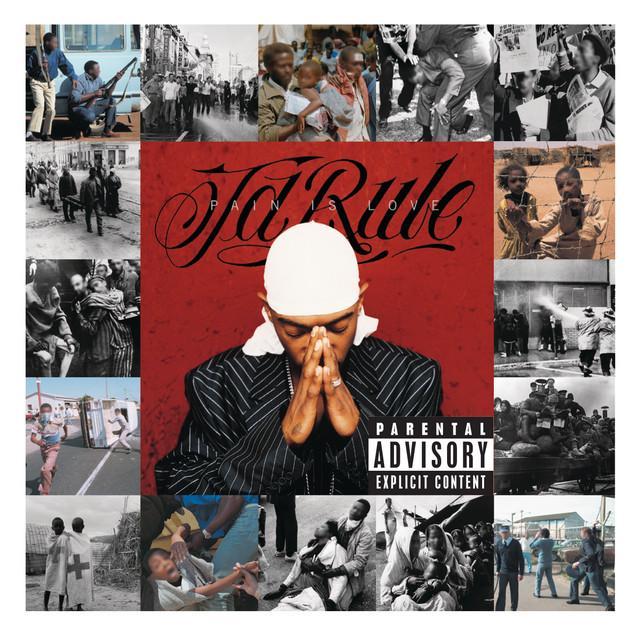
Released in late 2001 as a single from Pain Is Love, the song became a massive crossover hit, spending two weeks at No. 1 on the Billboard Hot 100 in 2002 and giving Ashanti her first chart-topper. It also helped introduce her to a mainstream audience. Those facts matter because the song’s glossy success can make listeners forget how tense its story really is.
A Love Song That Keeps Arguing With Itself
At the most basic level, the song is about a relationship where desire is strong but trust is weak. Ja Rule’s narrator says he is always on time
, yet he also admits he is not always there. That is the song’s emotional trick: he lowers the standard for commitment, then presents that lower standard as good enough.
Ashanti’s hook gives that idea a soft landing. Her voice turns a shaky promise into something warm and memorable. But when they put the chorus next to the verses, the gap between romance and reality gets hard to ignore.
Interpretation: the song is less about devotion than negotiation. He is trying to sell inconsistency as a form of loyalty.

Watch the official Always on Time
music video
The Hook Is the Mask
The chorus is the reason the record became so huge. Its melody is simple, sticky, and emotionally open. When Ashanti sings phrases like baby be mine
, the song briefly sounds like a real plea for closeness.
That softness matters because Ja Rule’s verses are much more defensive. Instead of calmly reassuring his partner, he talks around the problem. He frames complaints as nagging and treats emotional accountability as something he should not have to provide.
I'm not always there when you call
but I'm always on time
That brief couplet sums up the whole song. He is confessing absence while still asking for credit. The line is catchy because it sounds honest. It is troubling because the honesty never becomes change.
What the Verses Reveal About Power
Once the verses begin, the song shifts from apology to swagger. Ja Rule describes late-night sex, status symbols, and other women. The emotional message is clear even when the details are abrasive: he wants the benefits of intimacy without the duties that usually come with it.
In one section, he brushes off conflict as temporary bad weather. In another, he boasts about having two or three hoes
. That line does important work in the song’s meaning. It breaks the illusion that the chorus is about exclusivity. Whatever tenderness the hook suggests, the verses keep replacing it with domination and ego.
There is also a pattern of control in the way he speaks to the woman in the song. He responds to her frustration not with empathy, but with commands and bragging. The relationship starts to sound less mutual and more one-sided.
Interpretation: that is why many listeners hear the song as toxic rather than romantic. The chorus offers emotional comfort, while the verses keep taking it away.
Why Ashanti Changes the Song
Without Ashanti, this probably would not have landed the same way. According to reporting collected by Songfacts and other sources, Ja Rule originally imagined the track differently before Murder Inc. moved toward a duet format, with Ashanti eventually singing the hook. That choice shaped the record’s identity.
Her performance is not just decorative. It creates contrast. Ja Rule delivers his lines in a gravelly half-rap, half-melody style, while Ashanti sounds smooth and sincere. He later said he wanted a fresher kind of rap/R&B duet and liked how the beat’s chords hit hard. That helps explain the song’s design: tension between roughness and sweetness was part of the appeal.
The result is a record that feels divided on purpose. Ashanti voices the fantasy of commitment. Ja Rule voices the behavior that keeps ruining it.
The Production Sells a Fantasy
Musically, the song is sleek and controlled. It was written by Jeffrey Atkins, Irving Lorenzo, and Marcus Vest, known as 7 Aurelius, with production credited to Irv Gotti and musical contributions from 7 Aurelius. The instrumental uses polished early-2000s R&B textures, a firm drum pattern, and bright chords that make the record feel expensive and immediate.
That shiny production matters to the meaning of Always On Time Ja Rule, Ashanti because it softens the conflict. The beat glides even when the lyrics turn hostile or selfish. Listeners can sing along before they fully register what the verses are saying.
This was part of Ja Rule’s wider crossover style in that era: hard-edged image, radio-ready melodies, and a strong female hook. In cultural hindsight, “Always On Time” stands as one of the clearest examples of that formula.
A Snapshot of Early-2000s “Thug-Love” Pop
The song also works as a time capsule. In the early 2000s, rap and R&B collaborations were dominating pop radio. “Always On Time” fit that moment perfectly, mixing street-coded bravado with romantic choruses aimed at mainstream audiences.
Critics and retrospective commentators have often pointed out how uneasy that blend can feel here. The softness of the hook does not erase the aggression of the verses. It may even make that aggression more visible.
That tension is probably why the song has lasted. It is catchy enough to feel nostalgic, but strange enough to keep prompting debate.
The Lasting Meaning
So what is the song saying? On the surface, it says a flawed man is still worth loving because he shows up eventually. Underneath, it shows how charisma can hide selfishness.
Interpretation: the song’s real subject is not reliability. It is rationalization. The narrator wants credit for partial effort, and the chorus helps him make that case sound beautiful.
That is why the record still sticks in popular memory. It is a hit built on emotional mismatch: one voice asking for love, another redefining what love should excuse.
Disclaimer: This interpretation is based on the lyrics, performance, and public context of the song. As with any art, listeners may hear its meaning differently.








