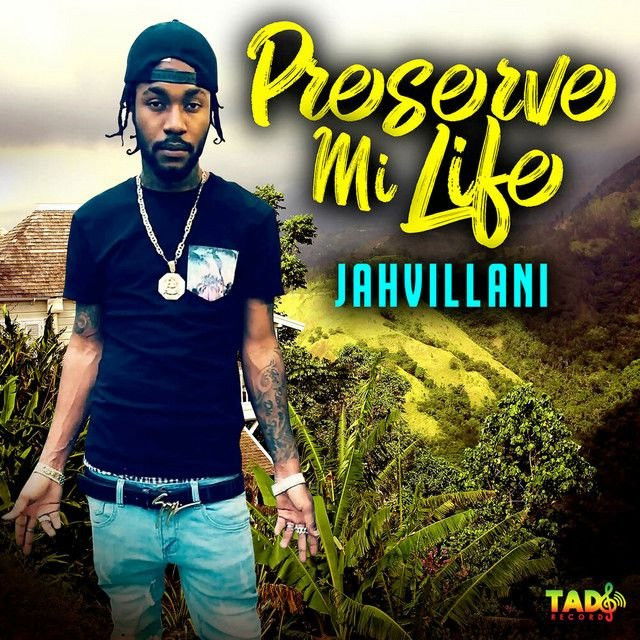
Why 'Nuh Reason' Turns Power Into Desire
The meaning of Nuh Reason Jahvillani comes through fast: this is a dancehall track about power, lust, and the image of being untouchable. Rather than telling a tender relationship story, the song builds a hard persona. The narrator presents himself as someone women choose because he seems dangerous, sexually confident, and socially feared.
"Nuh Reason" - Jahvillani
Mek me go round 'ya so go link dah gyal 'ya
From when you did link me, enuh mi friend
Loading lyrics...
Unable to load lyrics
We're unable to display the lyrics at this time. Please try again later.
That makes the song less about romance than reputation. In its world, desire follows status. Jahvillani ties street credibility to sexual attraction, and the hook keeps insisting that money is not the main draw.
The Core Idea Behind the Song
At the center of the track is one repeated claim: women want the narrator because he is a real badman
, not because he is rich or generous. The song frames masculine power as its own currency. That is why the title idea, “nuh reason,” matters so much. He is saying he does not need an excuse, a grand gesture, or wealth to take someone from another man.
Interpretation: this is a fantasy of pure status. The narrator wants listeners to believe his presence alone changes the room. The woman in the song becomes evidence for that claim when she complains her current partner is weak and looks for someone more forceful.
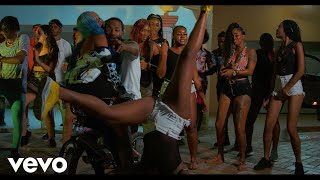
Watch the official Nuh Reason
music video
A Story of Pursuit, Not Partnership
There is a loose plot, even if the song is mostly built from boasts. A woman reaches out, says her man is a wasteman
, and wants to meet. The narrator arrives styled for the moment, confident that he will be chosen.
From there, the song raises the stakes. It adds references to guns, rivals, and possible retaliation, which makes the meeting feel risky. That danger is part of the attraction the narrator is selling. In this world, sexual conquest and street authority feed each other.
How the Woman Functions in the Lyrics
The woman is not developed as a full person with her own inner life. Instead, she is written as proof that the narrator outranks another man. When she prefers him, the song treats that as validation.
Interpretation: this is common in boast-heavy dancehall. A rival, a woman, and a confrontation often work like symbols in a contest over status.
What the Chorus Really Means
The chorus is the key to the song's message. It says women do not want money; they jus wan fuck me
. It also claims he nuh need reason
to take someone else's girl.
Paraphrased, the hook turns desire into inevitability. The narrator acts as if attraction happens automatically around him. That exaggeration is part of dancehall's style, but it also reveals the song's deeper theme: power is being performed as something erotic.
Violence, Cars, and Clothing as Status Symbols
Several recurring details support that theme:
- guns and gun-talk
- the car pull-up scene
- branded fashion
- rival men who seem fake or weak
These details are not random. They build an image of mobility, style, and threat. Even a quick line about an Axio looking like a limousine makes an ordinary car feel elevated through swagger. Likewise, mentions of clothes and weapons help stage the narrator as someone both fashionable and feared.
Interpretation: the song treats masculinity as theater. Every object becomes a prop that helps the central character look larger than life.
How the Sound Carries the Meaning
Even without reproducing the full track, the lyrics suggest a classic modern dancehall setup: a hard, minimal rhythm, space for commanding vocals, and ad-libs that hit like warning shots. The repeated vroom
effect reinforces movement and urgency, while the clipped phrases make the performance feel sharp and confrontational.
Jahvillani is known in Jamaican dancehall for a gritty delivery and gangster-coded imagery, a persona visible across his catalog and public profiles such as Audiomack and Apple Music. In “Nuh Reason,” that delivery matters as much as the words. The voice does not sound romantic; it sounds declarative. That helps the song sell authority first and pleasure second.
Artist Context Matters
Jahvillani emerged from Jamaica's dancehall scene with a style often tied to aggressive street narratives and forceful flows, as reflected in artist bios on platforms like TIDAL and Deezer. The provided context credits Dujon Edwards as the writer, which matters because the song feels tightly built around one consistent voice.
That context shapes the meaning of Nuh Reason Jahvillani. Listeners are not hearing a diary entry. They are hearing a crafted persona, one that draws from dancehall's long tradition of exaggeration, sexual competition, and badman mythology.
A Complicated Message Beneath the Swagger
There is no need to soften what the song is doing. It objectifies women, celebrates intimidation, and measures men through dominance. For some listeners, that makes the song thrilling. For others, it makes the song limited or troubling.
Still, it is useful to read it as performance rather than literal confession. Interpretation: the track is less a moral argument than a display of image-control. It asks listeners to admire certainty, not kindness. That is why lines about rivals being empty or fake matter so much: the narrator's whole identity depends on seeming more real than everyone else.
Why the Song Sticks
What makes “Nuh Reason” memorable is its blunt focus. It does not wander. Every verse comes back to one point: the narrator believes his danger, confidence, and sexual force are enough. In that sense, the song is a compact statement of dancehall bravado.
For listeners searching for the meaning of Nuh Reason Jahvillani, the clearest answer is this: it is a song about power being marketed as desire. Sex, violence, fashion, and status all get folded into one dominant self-image.
Final Take
“Nuh Reason” works by turning boast into worldview. It suggests attraction follows strength, or at least the performance of strength. That idea is not gentle, but it is consistent, and the song's hard-edged sound helps sell it.
Disclaimer: This interpretation is based on the lyrics provided and publicly available artist context. Song meaning can vary by listener, and some lines in dancehall may mix character, exaggeration, and literal detail.








