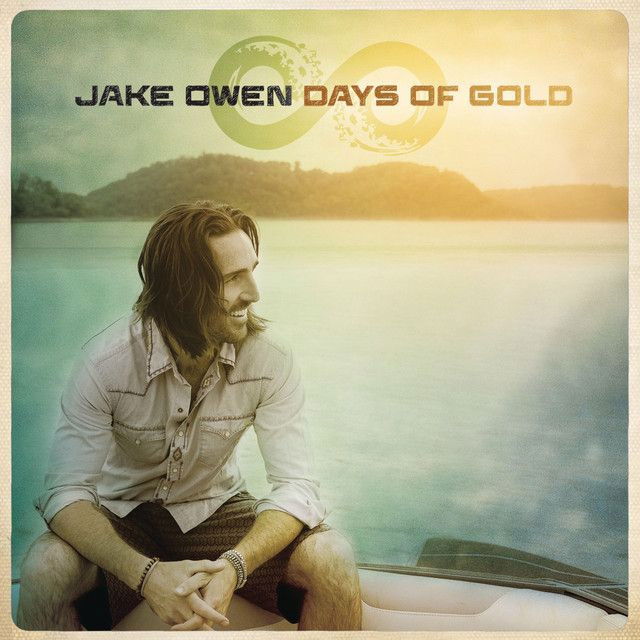
What We Ain't Got by Jake Owen
A country ballad about wanting more
The meaning of What We Ain't Got Jake Owen centers on a simple, painful truth: people often miss what they have, chase what is out of reach, and only fully value love after it is gone.
"What We Ain't Got" - Jake Owen
Our favorite doors are always locked.
On a higher hill with a taller top,
Loading lyrics...
Unable to load lyrics
We're unable to display the lyrics at this time. Please try again later.
Jake Owen turns that idea into a country ballad that feels both personal and universal. On the surface, the song is about a breakup. The speaker wants a lost partner back and admits that moving on is harder for them than for the other person.
But the song keeps widening its view. It moves from one broken relationship to a larger human habit: always looking over the fence, always thinking life would be better somewhere else. That is why the title phrase lands so strongly. We all want what we ain't got
is not just a complaint. It is the song's warning.
Watch the official What We Ain't Got
music video
From private loss to a bigger life lesson
The verses start with common envy
Early lines describe everyday dissatisfaction. The song points to locked doors, higher hills, greener grass, a bigger house, and a faster car. Those images are plain on purpose. They are ordinary things many listeners recognize, which helps the song feel immediate rather than abstract.
The point is not that ambition is wrong. Interpretation: the song suggests that desire becomes destructive when it blinds people to what is already good in front of them. When the lyric says greener grass
, it captures that restless mindset in just two words.
Then the song reveals the real wound
After those broad observations, the song narrows into heartbreak. The speaker confesses All I want is what I had
, which changes the whole emotional frame. This is no longer only about envy in general. It is about regret.
That regret matters because it gives the earlier lines a face and a cost. The speaker did not just want more in theory. They wanted something else, lost someone important, and now understand too late what really mattered.
I wanted the world
til my whole world stopped
This brief turn is the emotional center of the song. In plain language, the speaker chased success, freedom, or some vague idea of more, and then suffered a loss that reset their values.
Why the chorus hits so hard
The chorus works because it sounds like a proverb but feels like a confession. Repeating we ain't happy where we are
makes the song broader than one breakup, yet each return to that idea feels more personal after the details about the ex-lover.
That balance is one reason critics responded well. According to Wikipedia, the 2014 single from Days of Gold was praised for its lyrics and Owen's vocal performance. It also stood out in his catalog because many listeners knew him more for upbeat radio hits than for heavy ballads.
Interpretation: the chorus is powerful because it lets listeners hear two stories at once:
- a general truth about human dissatisfaction
- a specific story about someone who lost love
Those layers help explain the song's lasting appeal. It can fit a breakup, but it can also fit work stress, family strain, or the feeling of never being satisfied.
Jake Owen's context makes the message sharper
Owen did not write the song; it was written by Travis Meadows and Travis Jerome Goff. Meadows had recorded it earlier, and his writing already carried a hard-lived honesty. Owen connected with that emotional center and fought to release it as a single, even though he knew it was a risk for an artist associated with lighter hits.
In comments summarized by Songfacts, Owen said he related to the idea of chasing too much and losing sight of what matters. That context helps the performance. They are not singing as a detached narrator. They sound like someone using another writer's words to admit a fear from their own life.
That also explains why the song never feels overly dramatic. Owen's reading is controlled. Instead of pushing every line, they let the sadness sit in the pauses and in the worn-down phrasing.
How the music supports the meaning
A slow arrangement with room to think
The production, credited to Joey Moi and Jake Owen, keeps the focus on the lyric. The song is mainly built around piano, with soft country backing touches and understated support vocals from Sarah Buxton. At a slow tempo, the arrangement gives each line time to sink in.
That matters because this is a song about realization. A louder or busier track might have buried the message. Here, the piano creates space for reflection, almost like the speaker is thinking out loud after the damage is done.
Vocal restraint becomes part of the story
Owen's delivery is one of the song's strengths. Rather than sounding explosive, they sound tired, careful, and a little stunned. That restraint fits the lyric's mood. Regret is often quieter than anger.
Interpretation: the performance suggests a person who has already replayed these mistakes many times. They are not discovering the truth in the moment; they are living with it.
Why the song still connects
What makes the meaning of What We Ain't Got Jake Owen resonate is its mix of plain speech and emotional depth. The song does not hide behind clever images. It says, clearly, that people chase more, overlook love, and ache for what is gone.
That honesty is why the song felt like an important turn in Owen's career. It showed a more serious side and proved he could carry a reflective ballad, not just a party anthem.
In the end, the song's message is not cynical. It is sad, but also instructive. It asks listeners to notice what they already have before absence teaches the lesson for them.
Disclaimer: This interpretation combines confirmed facts about the song's release and credits with informed reading of its lyrics, performance, and production. Meaning can vary from listener to listener.








