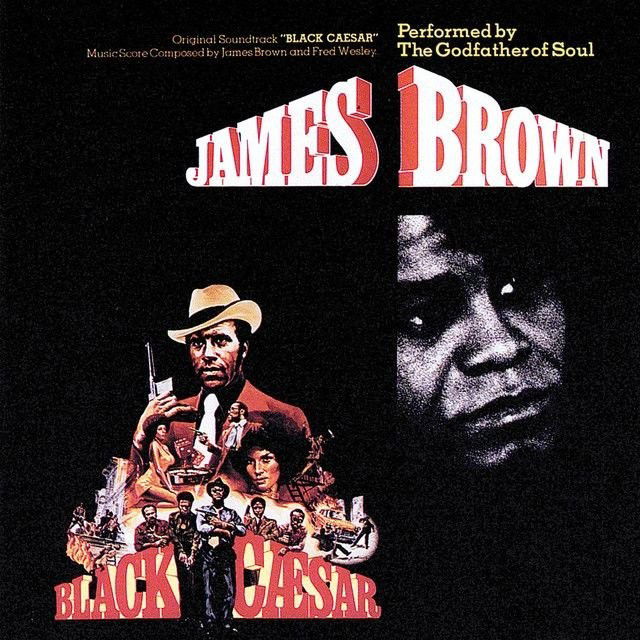
Why “The Boss” Hits So Hard
The meaning of The Boss James Brown starts with a boast, but it does not end there. On the surface, this is a victory song. James Brown presents a speaker who has earned status, money, and control, then dares anyone to question it.
"The Boss" - James Brown
Paid the cost to be the boss
Paid the cost to be the boss
Loading lyrics...
Unable to load lyrics
We're unable to display the lyrics at this time. Please try again later.
Under that swagger, though, the song also hints at effort, pressure, and survival. When they repeat paid the cost
, the line suggests that power was not handed over for free. It had a price.
More Than Bragging, It’s a Claim of Authority
At its core, “The Boss” is about earned dominance. The speaker is not asking for approval. They are announcing that they have already done the work and taken the hits needed to stand above the crowd.
That is why the famous refrain paid the cost to be the boss
matters so much. The song frames leadership as expensive. It can mean sacrifice, discipline, conflict, and the burden of being the one in charge.
Interpretation: Brown’s delivery turns the line into more than a flex. It sounds like a defense of hard-won authority. The speaker is saying, in effect, that people can judge the confidence, but they did not live through what it took to get there.
Watch the official The Boss
music video
The Speaker They Create
The song’s voice is direct, physical, and confrontational. When Brown says look at me
, he puts image and presence at the center of the message. This is not quiet self-belief. It is public performance.
The repeated claim bad mutha
adds to that persona. In plain terms, the speaker presents themself as dangerous, impressive, and impossible to ignore. They do not just want respect; they want people to feel it.
This fits Brown’s larger artistic identity. Across his career, he built a stage character based on command, precision, and intensity, shaping funk and soul through rhythm-first performance and sharp band control, as noted by the Rock & Roll Hall of Fame and Encyclopaedia Britannica.
A Short Story of Status and Survival
Even with its repetitive structure, the song sketches a rough storyline. It moves less like a detailed plot and more like a series of declarations.
Three big ideas appear in order:
- First, the speaker declares their rank through the chorus.
- Next, they point to visible proof: attitude, money, and confidence.
- Finally, they hint at struggle and turning points, suggesting the road upward was rough.
Lines like money to burn
show the reward side of success. They suggest freedom, pleasure, and a life beyond scarcity.
But phrases such as caught, tracked
imply pressure and pursuit. Even if the wording is brief, it introduces tension. The speaker may be celebrating power, yet they also sound like someone who has had to outmaneuver trouble.
Why the Hook Carries the Whole Song
The chorus does nearly all the heavy lifting, and that is by design. Brown often used repetition as a rhythmic and emotional engine, especially in funk-oriented tracks where groove matters as much as narrative detail. The songwriting credit for “The Boss” is commonly given to James Brown, Charles Bobbit, and Fred Wesley, with Wesley being a key arranger and trombonist in Brown’s band, as documented in the Fred Wesley biography at the National Endowment for the Arts and Brown overviews from Britannica.
Because the hook returns again and again, it starts to sound like a rule of life: authority costs something. That simple idea is the song’s engine.
Paid the cost to be the boss
Told you so
Those short bursts feel almost like a verdict. The speaker has reached the point where explanation is no longer needed.
How the Sound Sells the Meaning
“The Boss” works because the groove sounds as confident as the words. The track sits in Brown’s R&B and soul world, but it also leans into the stripped-down force that made funk so influential. The band’s tight rhythm gives the song its authority.
The beat does not rush. Instead, it locks in. That steadiness mirrors the message: real power does not panic. Brown’s voice barks, rides the beat, and snaps at the edges, making every repeated phrase feel deliberate.
Interpretation: The arrangement helps turn repetition into proof. Rather than sounding empty, the repeated lines gain force because the band makes them feel earned, physical, and unavoidable.
Two Strong Readings of “The Boss”
Reading One: A Triumph Anthem
The most obvious reading is that the song celebrates success. The speaker has overcome obstacles and now enjoys the rewards. In this view, “boss” means winner, leader, or top figure.
That reading matches Brown’s public image as a relentless performer who built his name through discipline and ambition. It also explains the song’s lasting appeal in sports, sampling, and pop culture, where confidence anthems travel well.
Reading Two: Power as Burden
A second reading is more complicated. The song may be bragging, but it also suggests that status isolates. If someone has paid the cost
, then being “the boss” is not pure pleasure. It means carrying damage, enemies, and constant pressure.
That tension gives the song depth. The speaker sounds proud, but also hardened.
Why the Song Still Lands
The meaning of The Boss James Brown lasts because the message is simple and flexible. People hear it as a song about winning, but they can also hear it as a statement about what winning takes.
That dual meaning is a big part of Brown’s genius. They could turn a few repeated phrases into a full emotional world of command, strain, and swagger.
In the end, “The Boss” is not just about being on top. It is about making sure everyone knows the climb was real.
Disclaimer: This interpretation is based on the song’s lyrics, performance, and historical context. As with most art, listeners may reasonably hear different meanings in it.








