Why 'You've Got a Friend' Still Comforts
The meaning of You've Got a Friend James Taylor comes down to a simple promise: when life feels dark, someone will show up. That idea sounds small, but it hits hard because the song never overcomplicates it. Instead, it turns support into something plain, human, and dependable.
"You've Got a Friend" - James Taylor
And you need a helping hand
And nothing, nothing is going right
Loading lyrics...
Unable to load lyrics
We're unable to display the lyrics at this time. Please try again later.
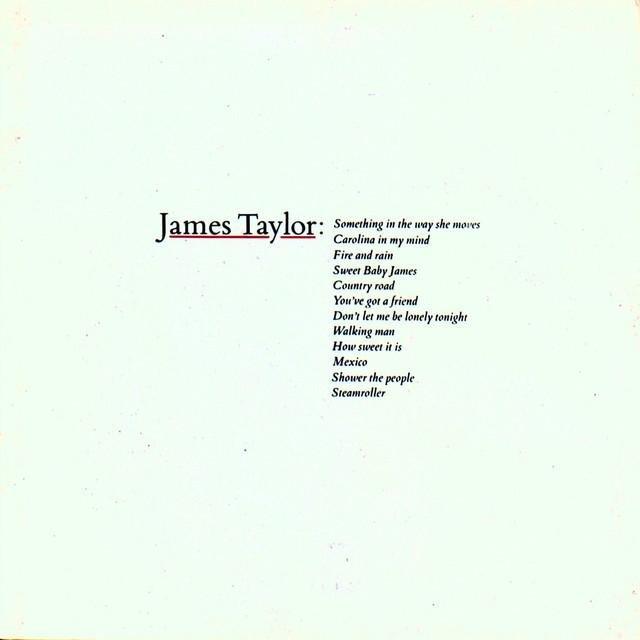
Written by Carole King and recorded by James Taylor for Mud Slide Slim and the Blue Horizon in 1971, the song became one of Taylor's defining hits. King also released her own version on Tapestry that same year. Those facts matter because the song grew out of the close creative circle around both artists during the early 1970s singer-songwriter boom.
The Heart of the Message Is Reliability
The song speaks to someone in pain and answers that pain with reassurance. It opens in a moment of trouble, then immediately offers comfort. When the singer says down and troubled
, the line names the emotional low point without using big, poetic language.
That plain wording is the secret. The song does not promise to fix the world. It promises presence. The repeated idea behind call out my name
and I'll come running
tells the listener that care is active, not abstract.
Interpretation: This is why the song feels stronger than a generic "cheer up" anthem. It is not about optimism alone. It is about trust built through action.

Watch the official You've Got a Friend
music video
A Voice That Sounds Like Shelter
James Taylor sings the song as if he is talking to one person, not performing for a crowd. Even though the lyrics use direct address, the article's third-person view helps show the broader effect: they create a space where listeners feel personally included.
The central relationship is intentionally open. The song never locks itself into one role. It could be a friend, a partner, a sibling, or a parent. That flexibility is part of its power.
Winter, spring, summer or fall
All you have to do is call
Those lines are the emotional core. They reduce support to a timeless rule: no season changes the promise.
How the Verses Build the Song's World
Each verse raises the emotional stakes a little more. First comes private sadness. Then the imagery widens into bad weather and gathering darkness. Later, the song adds the social threat of cold people who may hurt or abandon someone.
That movement matters. The song starts inside one person's feelings, then expands to life itself. By the time it mentions people being so cold
, the message is no longer just about sadness. It is about surviving disappointment in the world.
A quick way to track the song's progression:
- A person feels low and alone.
- The singer offers immediate comfort.
- Nature imagery makes the struggle feel bigger.
- Human betrayal becomes the deepest danger.
- The chorus restores safety with the same promise.
This structure keeps the message from feeling sentimental. It acknowledges that pain can come from mood, circumstance, or other people.
Carole King's Writing Gives It Its Reach
Carole King wrote the song, and that is key to understanding its emotional clarity. In interviews from the period, King described how naturally the song came to her, and the writing has that effortless feel. It does not strain for complexity; it aims for truth that almost anyone can recognize.
Taylor's version became especially famous, but the song's roots in King's writing explain why it feels both intimate and universal. Her gift was making everyday language carry deep feeling.
Why James Taylor's Version Feels So Warm
The production helps explain the lasting appeal of the meaning of You've Got a Friend James Taylor. Taylor's recording is soft, steady, and unhurried. The arrangement leans on piano, acoustic textures, and light rhythm instead of dramatic flourishes.
That choice supports the lyric. A louder or more theatrical version might have made the promise sound exaggerated. Taylor's calm vocal tone makes it believable. They hear not a hero speech, but a real person offering help.
There is also a communal warmth in the recording. The background vocals and relaxed groove make the promise feel shared, as if support comes from a circle, not just one individual. In singer-songwriter music, intimacy often comes from restraint, and this track is a strong example of that.
More Than Friendship, but Never Less
Most listeners hear the song as a friendship anthem, and that reading is fully supported. Still, its openness invites other meanings.
Interpretation: Some hear romantic devotion because of the tenderness in the delivery. Others hear family love because the comfort is protective and unconditional. Some even hear spiritual reassurance, since the promise of help arrives almost like grace in hard times.
What keeps all these readings connected is the same central idea: the song is about reliable care in a world that can feel harsh.
Why It Still Matters Now
The song endures because modern life has not made its message outdated. If anything, it has made it more useful. In a culture full of noise, anxiety, and distance, a song that says help is close still lands with unusual force.
The best way to understand the meaning of You've Got a Friend James Taylor is to see it as a song about emotional availability. It says that love is not proven by grand speeches. It is proven by showing up.
That is why the song remains comforting across generations. Its promise is simple, but simple is not the same as shallow.
Disclaimer: This interpretation is based on the lyrics, recording context, and public history around the song. Like any classic track, listeners may connect with it in different personal ways.








