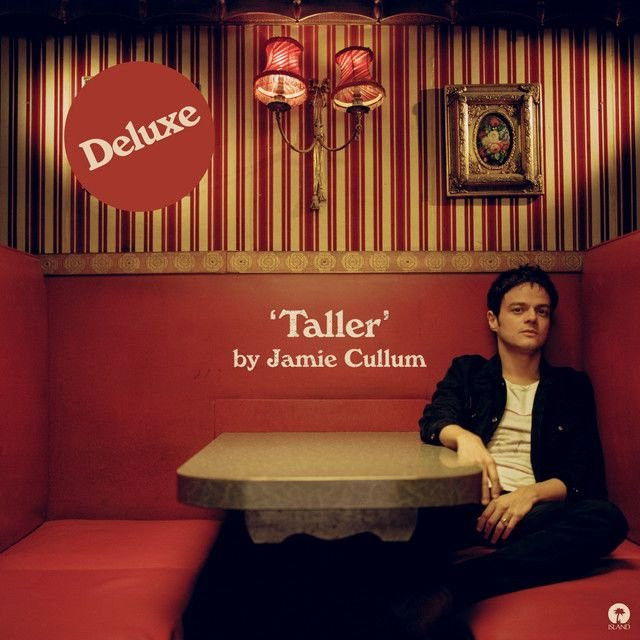
Usher by Jamie Cullum
The meaning of Usher Jamie Cullum centers on memory, nightlife, and the way real human connection can outlast celebrity, glamour, and even youth. On the surface, the song sounds playful. It name-drops a famous star, reaches for a "time machine," and moves through dance-floor imagery.
"Usher" - Jamie Cullum
Used to find my god under the flashing lights
I met him in Tribeca in 2002, he told me
Loading lyrics...
Unable to load lyrics
We're unable to display the lyrics at this time. Please try again later.
Under that surface, though, it tells a more serious story. They frame the song around a speaker looking back on a vivid era and realizing that all the excitement in the world still cannot match the value of one person. That is why the repeated idea that someone ain't no you
lands so strongly: the song finally chooses intimacy over status.
The Heart of the Song Is Memory Versus Presence
At its core, the song contrasts two forces:
- the pull of the past
- the truth of the present
The speaker remembers a younger life full of scenes, famous faces, and spiritual searching in clubs and city nights. Early on, they describe trying to find meaning under flashing lights
. That image matters because it mixes pleasure with emptiness. The club becomes a place of revelation, but also confusion.
The request for a time machine
pushes this even further. They are not just remembering; they are longing to re-enter a lost version of themselves. Interpretation: this is less about literal regret than about wanting to feel possibility again.
Still, the chorus keeps correcting that urge. Even if the past was exciting, even if they once knew Usher, the song insists that celebrity proximity means little next to a personal bond.

Watch the official Usher
music video
Why the Usher Name-Drop Matters
The title and hook may sound like a brag, but the song uses that brag to undercut itself. Saying I used to know Usher
sets up a story about fame and access. It invites the listener to expect a tale about coolness, status, and social proof.
Then the song flips the idea. The point is not that knowing a star made life meaningful. The point is that even a glamorous memory cannot compete with the person being addressed now. In simple terms, the song says: yes, the past was wild and impressive, but none of it matters as much as you.
That twist gives the song its emotional engine. What starts as nostalgia ends as devotion.
A City-Night Story With a Spiritual Edge
The verses add depth by placing the memories in a very specific world. Tribeca, nightlife, and talk of truth and death make the song feel both urban and philosophical. One key line recalls hearing that love is the truth
inside a cruel life. That thought becomes the song's moral center.
There is another darker idea in the verse: life is brief, and everyone is mortal. Rather than making the song hopeless, that idea makes it urgent. If pleasure fades and life is short, then honesty and love matter more.
"Love is the truth inside a life that's cruel"
"Life is a beauty for a minute or two"
Those lines act almost like a thesis statement. They suggest that beauty is temporary, but still real. The song does not deny pain. It argues that love gives meaning inside pain.
How the Chorus Rewrites the Verses
The chorus is catchy, but it is also the song's argument. Verses describe scenes, encounters, and ideas. The chorus decides what those memories mean.
By repeating that Usher ain't no you
, the song strips away the fantasy of fame. The listener hears a comparison between spectacle and closeness, and closeness wins every time.
Interpretation: the "you" may be a lover, a partner, or even a symbol of emotional truth. Either way, the effect is the same. The song moves from public glamour toward private value.
Sound and Production: Bright Surface, Deeper Feeling
Jamie Cullum is known for blending jazz technique with pop energy, a fact reflected across his career and recordings. That broader context helps explain why this track can feel light on first listen while carrying heavier ideas underneath. The writing credit available here lists Jamie Cullum and Ben Cullum.
Musically, the repeated hook and dance-ready momentum mirror the obsession of memory. The song keeps circling the same thought, just as people do when replaying old times in their heads. A polished, upbeat feel also fits the lyrical setting: nightlife, charm, motion, and the seductive glow of the past.
That contrast matters. The production sounds social and alive, while the lyrics keep asking what actually lasts. The result is bittersweet rather than sad. They are dancing with nostalgia, not drowning in it.
Two Strong Readings of the Song
Reading One: A Love Song That Deflates Fame
This is the clearest reading. The speaker recalls glamorous memories only to say they are small beside one real relationship. In this view, the meaning of Usher Jamie Cullum is that love beats status.
Reading Two: A Song About Aging Out of Illusion
There is also a broader reading. The famous name, the club imagery, and the wish to relive dreams may point to someone confronting age and the passing of a scene that once defined them. Here, the song becomes about maturity. They no longer mistake excitement for meaning.
Both readings work because the lyrics keep one foot in desire and one in wisdom.
What Listeners Can Take Away
The reason the song sticks is simple: it understands how memory flatters the past. It also understands that memory is not the same as truth. The past may shimmer, but the song keeps returning to the person who matters now.
In the end, "Usher" is not really about Usher. It is about using a famous memory to measure something more important. The final message is warm and human: scenes fade, names fade, youth fades, but love can still feel like the one thing worth choosing.
Disclaimer: This interpretation is based on the released lyrics and publicly available song context. As with any song, meanings can vary by listener.








