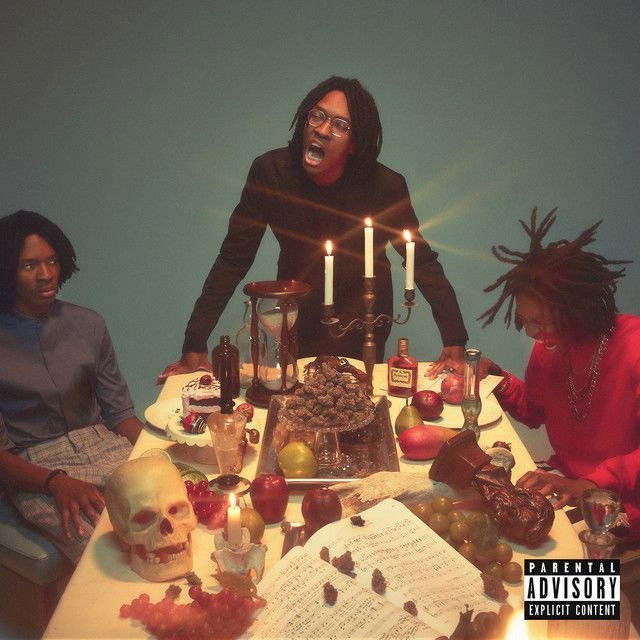
Why "Case 19" Sounds Like Pure Threat
The meaning of Case 19 Jasiah, 6ix9ine starts with force. This is not a reflective song or a hidden breakup record. It is built to hit hard, provoke fast, and leave behind the feeling of danger.
"Case 19" - Jasiah ft. 6ix9ine
I have a problem
Yuh
Loading lyrics...
Unable to load lyrics
We're unable to display the lyrics at this time. Please try again later.
Jasiah and 6ix9ine both built reputations around loud, abrasive rap styles, so their pairing makes sense on paper. The song’s writing credits include Andrew Green, Daniel Hernandez, and Malachi-Phree Jasiah Pate, matching the details provided in the song context. From there, the track leans into the most extreme parts of each artist’s image: chaos, disrespect, and appetite for conflict.
The Core Idea Behind the Chaos
At its heart, the song is about dominance. The narrator presents themself as someone who does not care about romance, social rules, or other people’s feelings. What matters is control, money, and fear.
The hook makes that plain. When they say where the motherfucking cash at?
, the song reduces everything else to a distraction. Sex, relationships, and even conversation seem secondary to quick gain and personal power.
That same hook also uses take a step back
like a warning. In plain terms, the speaker is telling everyone around them to create distance. The line works as both a threat and a posture. They want space, respect, and submission.

Watch the official Case 19
music video
A Persona Built on Refusal
One important part of the meaning of Case 19 Jasiah, 6ix9ine is the way the narrator refuses attachment. They brush off intimacy and treat people as temporary, replaceable, or useful only in the moment.
When the song says don't need no bitch
, it is not offering emotional nuance. It is presenting hardness as identity. The speaker acts like needing anyone would be weakness, so the performance depends on staying cold.
This is one reason the track feels so aggressive even when it is not describing direct conflict. The whole worldview is defensive. To care less is to win more. To want money over connection is framed as strength.
Verse Imagery: Shock as Strategy
The verses are full of sexual crudity and weapon talk, but they serve a similar purpose. They are less about storytelling than about escalation. Each line tries to outdo the last in cruelty, swagger, or threat.
Interpretation: this is performance rap in its most confrontational form. The lyrics use disgust, insult, and violent fantasy to make the speaker seem untouchable. The point is not realism; the point is pressure.
That is especially clear in the gun imagery. A phrase like Choppa got a whole lot of kick
is not just about a weapon. It is about recoil, force, and impact. The sound of the words mirrors the image: short, blunt, and percussive.
Later, lines about shooters and clips widen the frame. The narrator is no longer just an individual; they become the center of a small war zone.
Talk to me niceor don't talk at all
This brief moment sums up the song’s social code. Respect is not requested. It is demanded.
How the Hook Shapes the Meaning
The chorus is simple, but that simplicity is why it works. It keeps pulling the song back to the same three ideas:
- Back away
- Do not expect loyalty or tenderness
- Money comes first
Because the hook repeats so often, it turns the song into a loop of pressure. There is no emotional release, no new perspective, and no soft landing. That repetition supports the theme: the speaker is trapped inside one mode, and that mode is aggression.
Sound and Delivery Matter as Much as Lyrics
Production is central to how this song communicates. Even without a deep melodic structure, the beat likely does the heavy lifting through pounding drums, harsh low end, and open spaces that let the voices bark and snap. That kind of production is common in both artists’ catalogs and helps create a live-wire feeling of confrontation.
Jasiah often works in a lane that mixes trap with punk-like energy, while 6ix9ine became widely known for explosive, shouted delivery and controversy-driven rap visibility. In that context, “Case 19” plays less like a conversation and more like a sonic attack.
Their voices matter, too. Neither artist sounds interested in subtlety here. They spit lines in a way that emphasizes impact over detail. The listener is meant to feel shoved, not persuaded.
Artist Context Sharpens the Reading
Jasiah has been associated with high-intensity rap that pushes toward mosh-pit energy, while 6ix9ine’s public image has long centered on provocation and spectacle. That background changes how the song lands. Listeners are likely to hear “Case 19” not as confession, but as image maintenance.
Interpretation: the song may be read as two artists doubling down on brand. Every outrageous line serves the same purpose: to remind listeners that they are loud, reckless, and hard to ignore.
That does not mean the song is empty. It means its meaning sits close to the surface. “Case 19” is about what happens when a rap track strips away vulnerability and keeps only appetite, ego, and threat.
Final Take on the Song’s Message
So, what is the meaning of Case 19 Jasiah, 6ix9ine? It is a portrait of masculinity performed as menace. The song treats money as the goal, disrespect as fuel, and emotional distance as survival.
For some listeners, that will sound thrilling. For others, it will sound exhausting or ugly. Either reaction fits the design. The track wants a response.
Disclaimer: This interpretation is based on the song’s lyrics, delivery, and artist context. As with most music, meaning can vary by listener.









