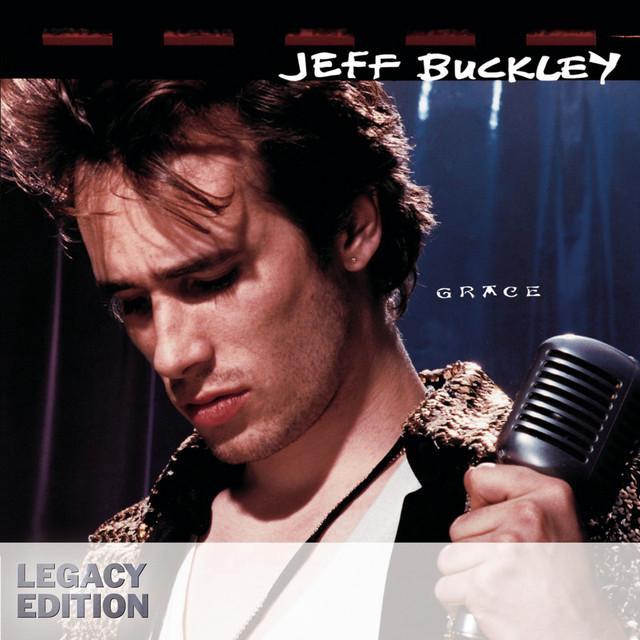
Hallelujah by Jeff Buckley
The meaning of Hallelujah Jeff Buckley comes from a powerful tension: the song sounds like prayer, but it speaks just as much about desire, heartbreak, and disillusionment.
"Hallelujah" - Jeff Buckley
Provided by LyricFindWell I've heard there was a secret chord
That David played and it pleased the Lord
But you don't really care for music, do you?Loading...Loading lyrics...
Unable to load lyrics
We're unable to display the lyrics at this time. Please try again later.
Why This Version Still Hits So Hard
Jeff Buckley’s “Hallelujah” is a cover, not an original. Leonard Cohen wrote and first released the song in 1984, and Buckley recorded his now-classic version on Grace in 1994. His interpretation became the best-known one for many listeners, especially after his death in 1997 and after the song spread through film, TV, and live tributes.
What makes Buckley’s take so lasting is its emotional balance. They sing it with reverence, but not certainty. The performance feels intimate, almost fragile, which fits a lyric that keeps moving between faith and doubt, sex and prayer, devotion and damage.

Watch the official Hallelujah
music video
The Core Meaning Behind the Song
At its center, the meaning of Hallelujah Jeff Buckley is not about one simple religious message. It is about how people try to praise life even when life feels broken.
Cohen himself explained that “Hallelujah” can hold many kinds of praise, including imperfect and wounded ones. That idea matters here. In Buckley’s version, the repeated word does not sound triumphant. It sounds searching.
Interpretation: In this reading, “hallelujah” becomes a response to mixed human experience. It is what remains after passion fades, trust breaks, or certainty disappears. The song says that even then, people still reach for meaning.
Sacred Images, Human Desire
One reason the lyric feels so rich is its use of biblical images. Early on, it mentions a secret chord
and a baffled king
, pointing toward King David. The song then moves into imagery linked to David and Bathsheba, and later to Samson and Delilah.
These references are not there just to sound holy. They connect spiritual language to human weakness. Beauty overwhelms judgment. Power gives way to vulnerability. Love becomes both ecstatic and destructive.
Buckley leaned into this sensual side. In a widely cited comment, they described the song as being about sex, love, and life on earth, even calling it the “hallelujah of the orgasm.” That does not cancel the spiritual meaning. It deepens it. In this version, the sacred and the physical are tangled together.
How the Verses Build the Story
Rather than tell one straight plot, the song moves through emotional scenes:
- It begins with music itself, linking harmony to mystery and longing.
- It shifts to biblical examples of temptation and downfall.
- It turns personal, describing a relationship marked by memory and loss.
- It ends in a wounded kind of wisdom, where love teaches pain as much as joy.
The famous line about the fourth, the fifth
is especially clever. It describes the chord movement inside the song while also showing how music can carry emotion from tension to release. That self-awareness gives the lyric another layer: the song knows it is building its own spell.
What “Broken Hallelujah” Really Means
The emotional center of Buckley’s version is the idea of a broken Hallelujah
. The phrase suggests praise after disappointment, not before it.
This matters because the song refuses easy comfort. It does not present love as a clean victory or faith as a solved answer. Instead, it says people may still speak gratitude, awe, or surrender even when they are hurt.
Interpretation: That is why the chorus feels universal. Listeners do not need to share one religion or one heartbreak story to understand it. The song names a feeling many people know: trying to hold onto wonder after being changed by loss.
Why Jeff Buckley’s Sound Changes the Meaning
Buckley’s arrangement is a huge part of why the song lands so deeply. Their version on Grace is spare, led by clean electric guitar and a voice that moves from whisper to ache. The recording avoids heavy production, which makes every pause feel important.
That restraint shapes the meaning of Hallelujah Jeff Buckley. Cohen’s original can feel more literary and earthy. Buckley’s feels exposed. They sing as if the words are being discovered in real time.
This is also why many listeners experience the song less as a statement and more as a confession. Even a small phrase like love is not
a simple victory lands harder because Buckley stretches it with grief and tenderness.
Why This Cover Became the Definitive One
Buckley was inspired in part by John Cale’s earlier version, but they made the song uniquely their own. Over time, that reading became a cultural touchstone. It surged again after TV, film, and talent-show performances introduced it to new audiences, and Buckley’s recording even topped Billboard’s Digital Downloads chart in 2008 after renewed attention.
Its reach comes from its openness. Some hear a meditation on faith. Others hear erotic longing, grief, or artistic surrender. The song supports all of those readings because it was built from layered images rather than fixed answers.
Final Take on the Song’s Meaning
The meaning of Hallelujah Jeff Buckley lies in its refusal to separate holiness from hurt. Their performance suggests that praise is not always joyful, and love is not always redemptive. Sometimes the most honest song is one that admits both.
That is why this version still feels timeless. It turns a famous word into something trembling, intimate, and human.
Disclaimer: This interpretation mixes documented context about Leonard Cohen and Jeff Buckley with informed reading of the lyrics and performance. As with any great song, listeners may hear it differently.








