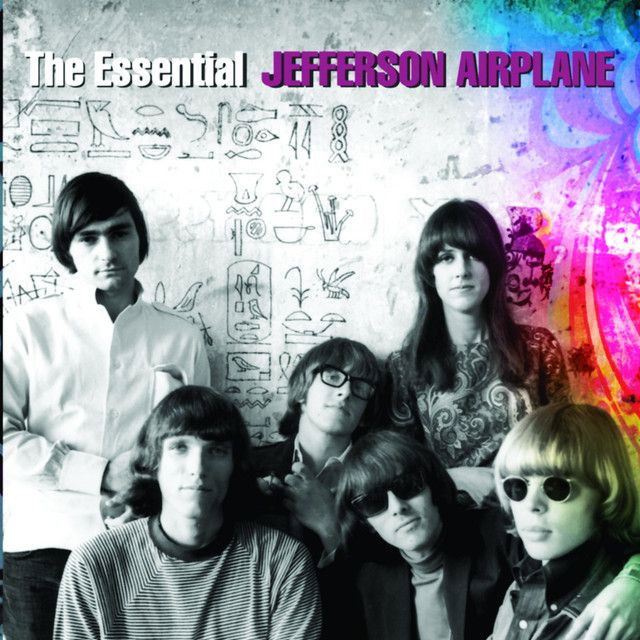
Somebody to Love by Jefferson Airplane
Why This 1967 Hit Still Feels Urgent
The meaning of Somebody to Love Jefferson Airplane starts with a simple idea: when trust collapses and a person feels alone, love stops being a luxury and becomes a need. The song is not dreamy or soft about romance. Instead, it sounds like a warning siren.
"Somebody to Love" - Jefferson Airplane
And all the joy within you dies
Don't you want somebody to love
Loading lyrics...
Unable to load lyrics
We're unable to display the lyrics at this time. Please try again later.
Factually, the song was written by Darby Slick, first recorded by The Great Society as "Someone to Love," and then transformed into a hit by Jefferson Airplane after Grace Slick joined the band in 1966. Their version was released in 1967 and reached No. 5 on the Billboard Hot 100, becoming one of the defining singles of the San Francisco rock explosion (American Songwriter, Wikipedia).

Watch the official Somebody to Love
music video
The Core Message Beneath the Chorus
At its heart, the song describes emotional collapse. The opening image suggests a world where honesty has failed and inner happiness has burned out. That is why the repeated demand to find love lands so hard.
The chorus uses phrases like somebody to love
and you better find
not as sweet advice, but as urgent survival language. The song suggests that when a person is isolated, confused, or betrayed, human connection may be the only thing that keeps them grounded.
Interpretation: Many readers hear the chorus as more than romantic longing. It can also sound like a warning against emotional drift. Love here means commitment, steadiness, and a real bond, not just passing pleasure.
A Direct Address to Someone in Pain
One striking feature of the lyrics is how directly they speak to another person. The verses keep pointing at signs of distress: dead flowers, tears, confusion, and social alienation. Even the line about friends treating someone like a guest
paints a person who no longer feels at home anywhere.
That second-person approach makes the song feel confrontational. It is not a diary entry. It is a voice looking at someone unraveling and insisting they face the truth.
Verse by Verse, the Pressure Builds
Each verse adds a new symptom of disconnection:
- Falsehood replaces truth.
- Inner joy fades out.
- The world looks lifeless.
- The mind turns crowded and unstable.
- Friends feel distant.
By the time the chorus returns, the plea for love feels earned. The song has built a full picture of loneliness rather than just stating it.
The 1960s Context Changes the Meaning
Context matters a lot here. Darby Slick reportedly wrote the song after a breakup, and later commentary has tied it to the darker side of the Bay Area's so-called free-love culture (Songfacts, American Songwriter).
That history helps explain why the lyrics do not celebrate romantic freedom in a carefree way. Instead, they sound skeptical. The song seems to argue that when pleasure becomes shallow or unstable, people still end up needing loyalty and emotional truth.
Interpretation: In that sense, the song can be heard as a counterculture song that quietly questions part of the counterculture itself. It came from the same scene, yet it warns about emptiness inside that scene.
How Jefferson Airplane's Sound Sharpens the Lyrics
The best-known version works because the arrangement matches the emotional message. Reports comparing the two versions note that The Great Society's take was slower and more subdued, while Jefferson Airplane sped it up, tightened the rhythm, and made the performance feel more explosive (American Songwriter).
Grace Slick's vocal is central to that effect. She does not sing like someone daydreaming about romance. She sounds commanding, almost accusatory, especially in moments like don't you need
. Jorma Kaukonen's guitar adds bite, and the band pushes the beat forward so the song never relaxes.
When the truth is found to be lies
And all the joy within you dies
Even in those brief lines, the band avoids sadness as a mood of surrender. They turn it into pressure. The production, often described as harder and more driven, makes despair sound immediate rather than distant (Wikipedia).
Two Strong Readings of the Song
There are at least two persuasive ways to hear it.
Reading One: A Cry for Real Connection
This is the most direct meaning. The song says people need genuine love when life becomes false, cold, and unstable. The repeated hook is a remedy for despair.
Reading Two: A Rebuke to Shallow Culture
The imagery of dead beauty, social distance, and a mind full of turmoil can also suggest a broader criticism. In this reading, the song is not just about one breakup. It is about a culture that promises freedom but leaves people emotionally stranded.
Both readings fit the lyrics, and both are strengthened by the song's hard-edged performance.
Why the Song Endures
The meaning of Somebody to Love Jefferson Airplane still resonates because the fear underneath it is timeless. People still know what it feels like when trust breaks, friendships feel hollow, and the room suddenly seems colder than it did before.
Jefferson Airplane gave that fear a sound that was sharp, fast, and unforgettable. That is likely why the song remains one of their signature recordings and a landmark of psychedelic rock and hard rock crossover success.
Final Take on Its Meaning
In plain terms, the song says that when lies, loneliness, and confusion take over, people need real love to survive. Jefferson Airplane's version makes that message feel less like comfort and more like a command.
That intensity is the key to its power. It does not just ask whether someone wants love. It insists they cannot afford to live without it.
Disclaimer: This interpretation combines documented background with critical reading. As with most songs, listeners may hear meanings that differ from the artist's original intent.