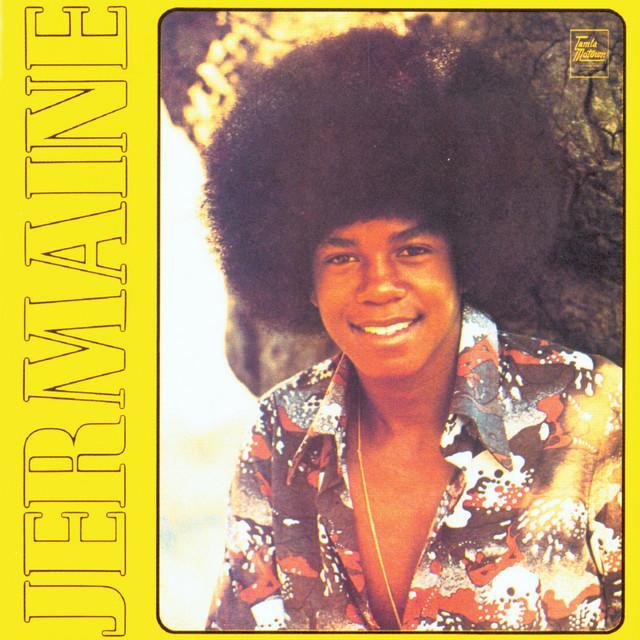
Daddy's Home by Jermaine Jackson
Why This Reunion Song Still Lands
The meaning of Daddy's Home Jermaine Jackson starts with a simple idea: someone has been away, someone else has been hurt by that distance, and the singer returns promising that the separation is over. It is a love song about reunion, relief, and reassurance.
"Daddy's Home" - Jermaine Jackson
You're my angel
You're the girl of my dreams
Loading lyrics...
Unable to load lyrics
We're unable to display the lyrics at this time. Please try again later.
Jermaine Jackson did not write the song. It began as a 1961 hit by Shep and the Limelites, written by James "Shep" Sheppard, Clarence Bassett, and Charles Baskerville, and Jermaine later recorded it for his 1972 debut solo album Jermaine and released it as a single in late 1972. His version also featured backing vocals from the Jackson 5 and became a major hit, reaching No. 9 on the Billboard Hot 100 and No. 3 on the soul chart, according to chart data summarized by Wikipedia.
That history matters because Jermaine is singing a song that already carried old-school romance. His version keeps that feeling, but Motown gives it a smoother, warmer polish.

Watch the official Daddy's Home
music video
What the Lyrics Are Really Saying
At heart, the song is about coming back after absence and asking a partner to believe in that return. The speaker opens with praise, calling the loved one everything from an angel to a dream girl, then quickly shifts to gratitude. The key point is that she waited.
When the chorus lands on Daddy's home
, the word "Daddy" is not about fatherhood in the literal sense. In classic R&B and doo-wop language, it works as a romantic nickname, a confident way for the male narrator to announce that he has returned to his partner.
The next emotional layer is guilt and longing. The singer explains that he has wanted this moment for a long time and has heard that the woman has been crying. The line about tears makes the separation feel real, not dramatic for its own sake. This is not just a celebration; it is a repair job.
It wasn't on a Sunday
Monday and Tuesday went by
That brief passage turns waiting into something physical. The days drag. Time is measured not by joy, but by delay.
A Story Told in Small, Clear Beats
The narrative is easy to follow, which is part of why the song has lasted. It moves through a few clean stages:
- The singer praises the woman and thanks her for staying loyal.
- He says he has longed to return.
- News from her friend tells him she has been in pain.
- He reminds her of a promise.
- He declares he is back for good.
That final promise matters most. When he says to stay
, the song shifts from apology to commitment. It is no longer only about arrival. It is about permanence.
Another phrase deepens that idea: not a thousand miles away
. This is especially meaningful because the original song is often linked to Sheppard's broader relationship "song cycle," including "A Thousand Miles Away," as noted in the same Wikipedia entry. In other words, the return in "Daddy's Home" can be heard as the answer to an earlier separation.
How Jermaine's Voice Changes the Meaning
Jermaine Jackson's version works because his voice balances youthful sweetness with adult confidence. He does not over-sing the message. Instead, they present the narrator as sincere, eager, and slightly relieved.
That matters for interpretation. If the performance were too forceful, the repeated claim of being back could sound possessive. In Jermaine's hands, it sounds comforting. The lead vocal leans into tenderness, while the backing vocals make the chorus feel communal and warm, almost like friends or family supporting the reunion.
Motown's Production Gives It Soft Power
The arrangement also shapes the song's meaning. Jermaine's recording keeps the doo-wop bones of the original, but wraps them in early-1970s Motown soul. The rhythm is gentle but steady. The backing harmonies are smooth. The instrumentation avoids sharp edges.
That softness tells listeners how to hear the lyrics: not as confrontation, but as healing. A contemporary review in Record World, quoted by Wikipedia, called it a "beautifully produced" and "funky ballad." That is a short but useful description. The song is polished enough for pop radio, yet soulful enough to keep the emotional ache intact.
The Main Themes Beneath the Hook
Several themes drive the meaning of Daddy's Home Jermaine Jackson:
- Reunion: The central event is a return after time apart.
- Loyalty: The woman waited, and that patience is honored.
- Promise: The narrator stresses that he kept his word.
- Emotional repair: He knows the separation caused pain.
- Presence: Being physically near becomes proof of love.
One of the song's smartest moves is that it does not give a long explanation for why the singer was gone. That absence of detail keeps the story universal. Listeners can fill in their own version: military service, touring, work, distance, or simply a strained relationship.
One Important Interpretation Question
Interpretation: Some listeners may stumble over the title phrase because "Daddy" sounds unusual today. In the context of early R&B, though, it is best understood as period slang for a boyfriend or male partner, not a literal parent-child dynamic. The rest of the lyrics strongly support that reading because the song is clearly framed as romantic devotion.
This is also why Jermaine's cover worked in 1972. He was reviving a doo-wop standard, but he sang it with enough sincerity that the older language still felt natural rather than dated.
Why the Song Endures
The song lasts because it combines three things that rarely fail: a clear story, a strong hook, and a believable emotional payoff. Jermaine Jackson's version honors the 1961 original while making it smoother and more radio-friendly for the Motown era.
For many listeners, the song says something simple but powerful: love is not only about missing someone. It is about returning, keeping a promise, and proving that distance is finally over.
Disclaimer: This article offers a good-faith interpretation of the song based on its lyrics, recording context, and release history. Meaning can vary from listener to listener.







