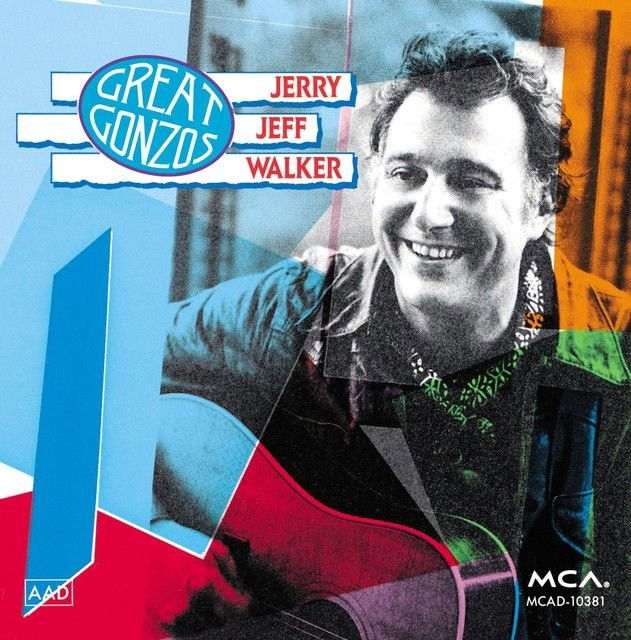
Why 'Backsliders Wine' Hits So Hard
The meaning of Backsliders Wine Jerry Jeff Walker comes into focus fast: this is a song about moral drift, drinking, and the painful moment when a person stops making excuses. It is not just a barroom song. It is a confession song.
"Backsliders Wine" - Jerry Jeff Walker
I'm down to tellin' you my red-eyed mind
It's not the sun bright path
Loading lyrics...
Unable to load lyrics
We're unable to display the lyrics at this time. Please try again later.
Written by M. Murphey and recorded by Jerry Jeff Walker, the track fits the singer's gift for making rough-edged characters feel human. Walker built a career in outlaw-leaning country and Texas songwriting, with a style rooted in folk, country, and live-wire storytelling. That broader artistic identity helps explain why this song feels personal even when it speaks in simple images.
A Drunk Confession in Plain Language
At the center of the song is a narrator who finally admits what pulled them away from home and from a better path. They say it was not the bright future they once might have imagined. Instead, it was the lure of alcohol, named with the bitterly clever phrase Backslider's wine
.
That title matters. A “backslider” is someone who falls away from their values or faith. So the drink in the song is not just liquor. It becomes a symbol for relapse, weakness, and self-betrayal. The narrator is not simply hung over. They feel spiritually compromised.
The opening image, where rain destroys an excuse, is one of the song's smartest touches. The weather strips away the last cover story. By the time the singer admits their red-eyed mind
, the song has already moved from denial to truth.
Watch the official Backsliders Wine
music video
How the Story Unfolds Verse by Verse
The narrative is short, but it is carefully built. It moves in three clear steps:
- The narrator begins in excuse-making mode.
- A memory of their mother interrupts that slide.
- They end in humiliation and regret.
That middle step is the song's emotional hinge. The mother's voice returns almost like a conscience. Her warning is direct and old-fashioned, and that is the point. She stands for home, restraint, and a moral code the narrator once knew.
Fight for your rights
but don'tfight for right
This brief twist of wording is easy to miss, but it opens the song up. The first phrase suggests ordinary struggle in life. The second warns against turning every grievance into a self-righteous battle. In other words, the narrator may have confused pride with principle.
The Chorus as a Moral Memory
The chorus does more than repeat advice. It turns the song into a conversation between present failure and remembered love. The mother is not there in person, but her voice still shapes the singer's self-understanding.
That is why the warning about black eyed shine
feels larger than a line about alcohol. It hints at violence, bruised pride, and the ugly aftereffects of drinking culture. This is not romantic honky-tonk chaos. It is damage.
Interpretation: the chorus can be heard as the narrator's last surviving piece of inner discipline. Even after falling hard, they still know what truth sounds like. That memory makes the regret worse, but it also makes recovery thinkable.
Shame, Religion, and the Barroom Floor
The song's strongest scene comes when the narrator realizes they are not the gentle person they believed themselves to be. They once thought they were kind and loving. Then they find themselves face down in a bar, asking what happened.
That moment is central to the meaning of Backsliders Wine Jerry Jeff Walker. The real crisis is not just drunkenness. It is a split between self-image and reality. The narrator has to face the gap between who they thought they were and what their habits have made them become.
The brief cry to Jesus gives the song a spiritual charge without turning it into a sermon. It suggests desperation, guilt, and the need for mercy. In a lot of country music, bars and churches sit close together. This song uses that tension well. The barroom floor becomes the low point from which moral clarity finally rises.
Why the Sound Supports the Message
Even without heavy production tricks, the song's country framing supports its meaning. The likely mix of acoustic guitar, steady rhythm, and plainspoken vocal delivery keeps the focus on story over spectacle. That matters because the lyric needs to sound lived-in, not theatrical.
Walker was especially good at sounding conversational. They often sang as if talking across a table rather than performing from a stage. In a song like this, that approach gives the confession weight. The listener does not hear a grand tragedy. They hear someone finally telling the truth.
The melody also helps. It carries sadness without becoming melodrama. That balance lets the song hold two feelings at once: self-reproach and a faint hope of turning back.
A Few Key Symbols Worth Noticing
Several images do a lot of work:
- Rain: washes away excuses.
- Wine: stands for temptation and backsliding, not luxury.
- Mother's voice: memory, conscience, and home.
- Barroom floor: the physical proof of collapse.
- Bright path: the better life the narrator did not choose.
Taken together, these symbols make the song feel almost like a miniature redemption story, though it stops before full redemption arrives.
The Most Useful Way to Read It
The simplest reading is also the strongest: this is a song about addiction-like behavior and the shame that follows moral compromise. But there is another layer.
Interpretation: the drink may also stand for any habit that pulls a person away from their better self. The title is broad enough to include more than alcohol. It points to the human tendency to know better, fall anyway, and only later admit the cost.
That is why the song lasts. It is specific enough to feel real, yet open enough to speak beyond one bar, one night, or one bad decision.
Final Take on the Song's Meaning
In the end, the meaning of Backsliders Wine Jerry Jeff Walker is about confession after collapse. The song shows a narrator who can no longer blame weather, fate, or other people. They finally name the thing that pulled them down.
What makes it moving is not just the warning. It is the sadness of remembering a wiser voice too late, then trying to live with that knowledge.
Disclaimer: This interpretation is based on the song's lyrics, performance, and available artist context. As with all songwriting, some meanings remain open to listener interpretation.







