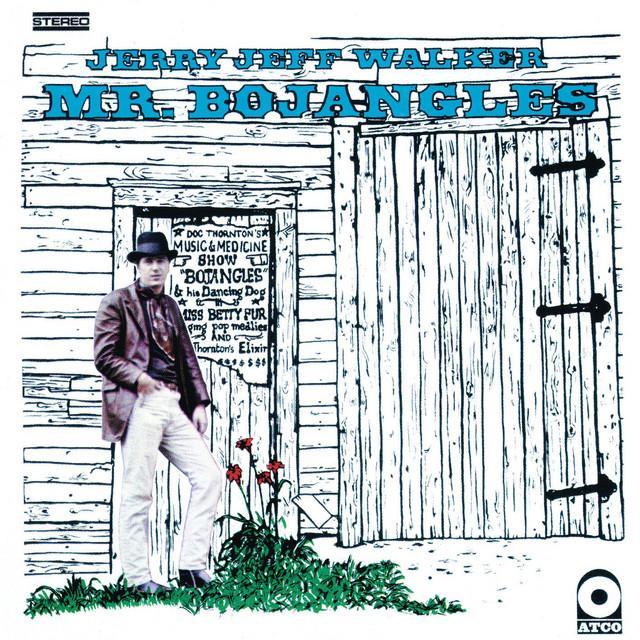
Why “Mr. Bojangles” Still Breaks Hearts
The meaning of Mr. Bojangles Jerry Jeff Walker starts with a simple scene: one worn-down person meets another in a New Orleans jail cell. From there, the song opens into something larger than a character sketch. It becomes a portrait of survival, performance, loneliness, and the strange way humor can sit beside pain.
"Mr. Bojangles" - Jerry Jeff Walker
In worn out shoes
With silver hair, a ragged shirt and baggy pants
Loading lyrics...
Unable to load lyrics
We're unable to display the lyrics at this time. Please try again later.
Jerry Jeff Walker wrote the song after a real encounter in a New Orleans jail, a story widely noted in coverage of the song and Walker’s career, including his official site and the song’s Wikipedia entry. The man was not the famous dancer Bill Robinson, though the nickname naturally echoes that history. In Walker’s song, “Mr. Bojangles” is a broken but magnetic entertainer who keeps dancing even after life has stripped almost everything else away.
A Jailhouse Meeting That Turns Human
The song begins with the narrator meeting an older man who seems battered by time. Details like worn out shoes
and a shabby outfit do quick work. They show poverty, but they also show dignity. This is not a joke character. He is someone carrying a whole life on his body.
When he starts talking, he does not present himself as a victim. He tells stories, laughs, and performs. That matters because the song is not only about sadness. It is about the social mask of the entertainer, the kind of person who turns pain into a routine because that is how they survive.

Watch the official Mr. Bojangles
music video
More Than a Dancer, Less Than a Myth
One reason the song lasts is that it balances legend and realism. The man seems almost magical when he jumped so high
, yet he is also trapped in a cell, aging, poor, and drinking too much. The contrast makes him memorable.
Interpretation: Mr. Bojangles represents a whole class of forgotten performers. They once gave joy to crowds, then slipped out of public memory. The song honors that kind of person without turning them into a saint.
There is also a racial and cultural shadow in the line about minstrel shows. Walker does not stop to explain it, but the reference places the character in an older entertainment world shaped by exploitation and rough travel. That detail adds weight. The song is not just about one drifter; it hints at a harder American history behind the act.
The Story Moves From Charm to Grief
The narrative unfolds in clear steps:
- The narrator meets Bojangles in jail.
- The man introduces himself through talk and movement.
- He recalls years of dancing in public spaces across the South.
- He shares the loss of his dog, his closest companion.
- He admits he now dances for tips and spends time behind bars.
The emotional center of the song arrives with the dog story. The line about 20 years he still grieves
is crucial because it reveals what the performance hides. His deepest wound is not fame lost. It is love lost.
His dog up and died
He up and died
Those brief lines show how completely grief changed him. Part of him stopped living when the dog died. That is why the song feels so personal. The heartbreak is small in scale but huge in feeling.
Why the Chorus Hits So Hard
The repeated call to Mr. Bojangles
sounds warm at first, almost playful. But as the verses unfold, the refrain changes meaning. It becomes a request, then a demand. People do not ask for his story. They ask him to dance.
That is one of the sharpest ideas in the song. The world wants the performance, not the person. Even in misery, he is valuable when he entertains. The last request to dance lands with quiet cruelty because listeners now know what sits underneath the act.
Interpretation: The chorus works like a spotlight. Every time it returns, it pulls Bojangles back into his role, no matter what sorrow he has just confessed.
How the Music Carries the Meaning
The arrangement helps explain why the song feels tender instead of harsh. It is usually performed at an easy pace, with country-folk instrumentation that leaves space around the vocal. That softness matters. A louder or flashier production would weaken the story.
Walker’s delivery is also key. He sings with affection, not pity. That keeps the song from becoming condescending. The melody rises when Bojangles dances and settles when memory turns heavy, mirroring the man’s mix of showmanship and sadness.
In many versions, the gentle rhythm almost suggests a soft-shoe routine. That musical touch supports the image of a man who cannot stop performing, even while telling the truth about his life.
Why Americans Still Connect With It
Part of the reason this song endures is that it speaks to familiar American themes: the drifter, the barroom survivor, the gifted outsider, the person who keeps going after loss. But it also feels intimate. Almost anyone can understand using charm to cover hurt.
The song also avoids easy redemption. Bojangles is not rescued. He is not transformed. He remains talented, wounded, and stuck. That honesty gives the song its power.
For listeners searching for the meaning of Mr. Bojangles Jerry Jeff Walker, the clearest answer is this: it is a compassionate story about a performer whose dance becomes both identity and shield. He keeps moving because movement is the only way he knows to live with grief.
The Lasting Meaning Beneath the Smile
In the end, “Mr. Bojangles” is about the cost of turning pain into entertainment. It admires the man’s grace, but it also notices the loneliness behind it. The song asks listeners to see the human being behind the act.
That is why it still lands. It is gentle, but it is not sentimental. It sees that some people laugh, dance, and keep the room alive while carrying a private sorrow no one fully notices.
Disclaimer: This interpretation separates documented background from critical reading. Some meanings are inferred from the lyrics, performance, and cultural context rather than explicitly confirmed by Jerry Jeff Walker.








