Why ‘Mother Goose’ Feels Like a Waking Dream
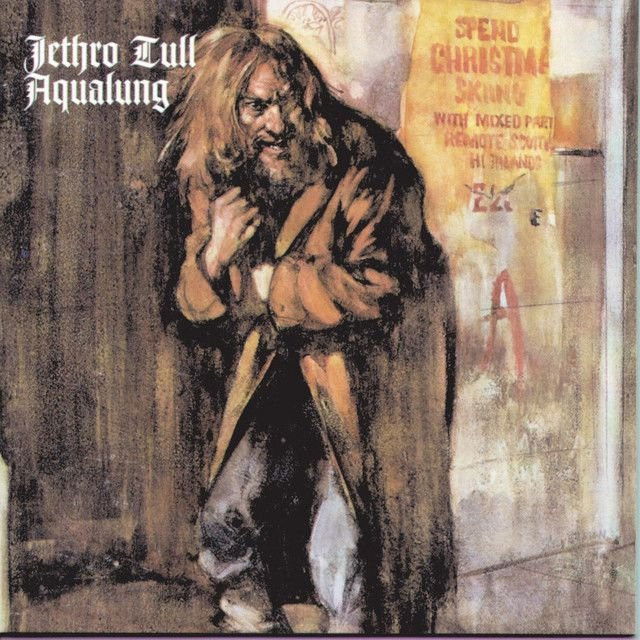
The meaning of Mother Goose Jethro Tull becomes clearer once listeners stop looking for a strict plot. This song is less a story with a lesson and more a parade of strange, bright images. On Jethro Tull’s 1971 album Aqualung, it arrives as a lighter, more playful moment, turning a city walk into something that feels half nursery rhyme, half daydream.
"Mother Goose" - Jethro Tull
I came upon Mother Goose
So I turned her loose
Loading lyrics...
Unable to load lyrics
We're unable to display the lyrics at this time. Please try again later.
Factually, Mother Goose is the fourth track on Aqualung, released in 1971, and it was written by Ian Anderson and recorded at Island Studios in London during the album sessions. Research summaries also note Anderson described it as a whimsical, surreal piece rather than one of his more direct social-realist songs. That context matters because it tells listeners not to read every line as literal narrative.
A Surreal Stroll, Not a Straight Plot
At the center of the song is a wandering speaker moving through public places and meeting bizarre figures. The opening image of Hampstead Fair
sets up a real London setting, but the people inside it do not behave like ordinary passersby. Mother Goose appears, schoolgirls cry together, a bearded lady offers a warning, and a scarecrow seems to roam the streets.
Interpretation: the song turns a normal walk into a carnival of memory, fantasy, and performance. Instead of explaining these figures, Anderson lets them pile up. That creates the feeling of a mind drifting from one image to the next.
The repeating line about she was screaming
gives the song one of its few emotional anchors. Even then, the scream is never explained. It works more like a jolt that reminds listeners this dream-world has nervous energy underneath the humor.
Watch the official Mother Goose
music video
Childhood Meets City Life
One of the smartest things in the lyric is how it blends childish references with adult spaces. The title figure comes from nursery tales, and the song also mentions a fair, schoolgirls, and exaggerated storybook personalities. At the same time, the setting includes London places and street-level observation.
That mix helps explain the meaning of Mother Goose Jethro Tull. The song seems interested in what happens when childhood imagination survives into adult life. The speaker does not describe the world rationally. They see it through a lens where folklore, class types, and public oddballs all belong in the same frame.
The line about the speaker not being recognized as a schoolboy
adds to that tension. It hints at unstable identity. In one moment, the voice sounds young and innocent; in another, it sounds theatrical, sly, or disguised.
Masks, Roleplay, and Unstable Identity
The lyric keeps changing social roles. The narrator says others do not know who they really are, and later even claims a playful identity linked to adventure fiction. That matters because the song is not just full of odd characters; it also treats the speaker as one of them.
Interpretation: this may be a song about performance itself. The fairground setting suggests costumes and acts, while the voice keeps slipping between observer and participant. When the song mentions Long John Silver
, it does not ask to be believed as fact. It invites listeners into roleplay.
That roleplay gives the track its freedom. Nobody in the lyric has to be realistic. Each figure can stand for a mood, a social type, or a flash of imagination.
How the Sound Makes the Images Float
Musically, the song supports that reading. It is widely described as one of the more acoustic pieces on Aqualung, with Ian Anderson on acoustic guitar and flute, alongside touches including recorder and Mellotron in the original studio version. The result is light and airy rather than heavy.
That matters because a louder rock arrangement might have made the song feel aggressive or sarcastic. Instead, the acoustic texture makes the scenes feel gently absurd. Some critics have even likened its style to an old-English or madrigal-like piece, which fits the antique, storybook mood.
The arrangement also helps explain why the song stands out on Aqualung. That album contains darker and more dramatic material, so Mother Goose offers contrast. Its brightness does not make it shallow; it gives the record breathing room.
Ian Anderson’s Own Clue
Anderson’s comments provide useful factual context. He reportedly called the song a surrealistic pastiche with summery motives and said it came from a visual idea he could picture in his head. That is an important clue.
If the song began as a visual scene, then the lyric works like a sketchbook. Listeners are not meant to solve it the way they might solve a mystery. They are meant to see it. The odd details, such as Picadilly Circus
and the warning about misbehaving
, function like brushstrokes in that imagined picture.
So What Does “Mother Goose” Mean?
The best answer is that the song captures the unstable border between innocence and weirdness, public life and private imagination. It is about wandering through the world and finding it already full of costumes, fables, and half-comic threats.
Interpretation: one reading sees it as a celebration of imaginative freedom. Another hears satire in its parade of eccentric English figures. Both readings fit because the song never nails itself to one meaning.
That openness is why it lasts. The meaning of Mother Goose Jethro Tull is not hidden in one secret line. It lives in the whole atmosphere: playful, uncanny, and vividly visual.
Final Take
“Mother Goose” works because it lets nonsense feel meaningful without forcing a tidy message. They make the listener walk through a familiar world that has suddenly become theatrical and strange.
That is the song’s magic. It sounds light, but it quietly asks how much of everyday life is already made of masks, stories, and imagination.
Disclaimer: This interpretation separates documented facts about the song from critical reading. As with many surreal lyrics, meaning can vary from listener to listener.







