Why 'King Kong' Hits So Hard
The big idea behind the bass
The meaning of King Kong Jibbs, Chamillionaire starts with a simple rap boast: they have a car system so loud it feels larger than life. The song takes the image of a monster and turns it into a symbol for subwoofers, trunk-rattling bass, and public attention.
"King Kong " - Jibbs ft. Chamillionaire
King Kong, king, king, king, king kong, king
King Kong, king, king, king, king Kong
Loading lyrics...
Unable to load lyrics
We're unable to display the lyrics at this time. Please try again later.
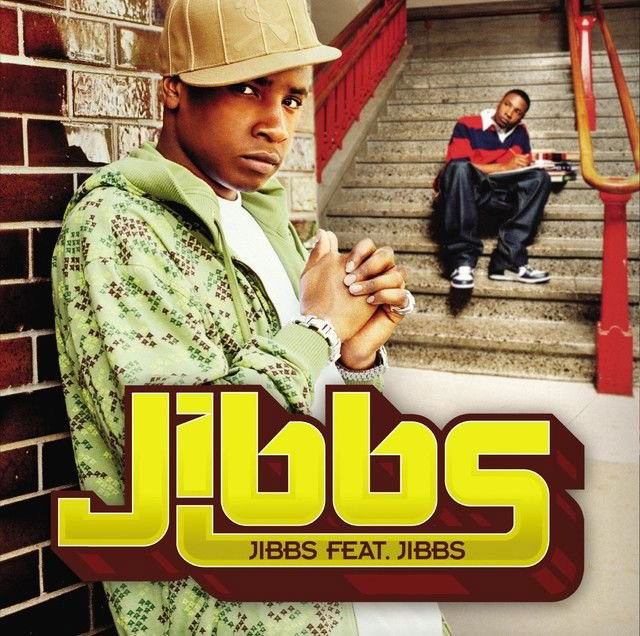
Factually, the single was released from Jibbs Featuring Jibbs and features Chamillionaire. It was issued as Jibbs' second single and reached No. 54 on the Billboard Hot 100, with additional chart action on Hot R&B/Hip-Hop Songs, according to chart summaries and release information from reference sources. The song is widely described as being about a powerful sound system rather than the fictional ape itself.
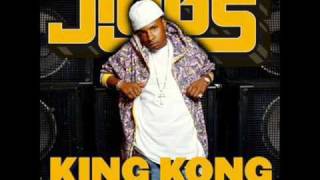
Watch the official King Kong
music video
Not the movie monster, but a moving force
That point matters because the title can mislead new listeners. In this track, King Kong in the trunk
means oversized bass and speaker power. The song treats the trunk like a stage, a weapon, and a badge of pride all at once.
This fits a long hip-hop tradition where the car is not just transportation. It is identity. It is style. It is also sound. When the chorus says hear before you see me
, the idea is easy to grasp: their reputation arrives first because the speakers announce them from blocks away.
How the verses build the theme
Verse one: the car becomes the character
The opening verse turns the vehicle into the star. They describe a trunk so heavy it changes how the car sits, making it look altered by pure sound. That exaggeration is part of the fun. The point is not realism; it is scale.
When Jibbs says the beat is bananas
, they frame the song as playful and oversized from the start. The car's bass is so strong it feels almost alive. This is where the "King Kong" image works best: not as a literal ape, but as a giant force packed into a machine.
Verse two: attention, status, and attraction
The second verse connects loud music to social power. The system grabs attention, especially from women, and turns the car into a center of gravity. In rap, that kind of notice often stands in for success.
There is also a local-culture element here. Southern and Midwestern rap in the 2000s often celebrated custom cars, candy paint, big rims, and hard bass. So when the song focuses on trunk sound, it is not random bragging. It is speaking a language listeners already knew.
Verse three: Chamillionaire raises the stakes
Chamillionaire's guest verse pushes the image further. He ties the booming speakers to lyrical dominance. His point is that the same force shaking the car also reflects how they make an impact as rappers.
A key phrase is make hits like I'm boxing
. That line links bass hits, rap hits, and physical punches. It is a neat bit of wordplay. Interpretation: this suggests that the stereo is more than a prop; it mirrors artistic power.
Why the hook is the whole song in miniature
The chorus is repetitive on purpose. It pounds the title again and again until it feels like bass itself. That repetition makes the song memorable, but it also carries meaning. Huge subwoofers do not whisper. They repeat, thump, and overwhelm.
If you hear before you see me
I got King Kong in the trunk
Those two lines summarize the full concept. First comes sound. Then comes presence. The hook turns volume into identity.
What the production adds to the message
Production is central to the meaning of King Kong Jibbs, Chamillionaire. Reference sources credit Terry "T.A." Allen and The Beatstaz, with co-production by Zaytoven. The beat leans into heavy low end, a crisp drum pattern, and a simple chant-ready structure.
That matters because the instrumental behaves like the subject of the song. The track does not just talk about bass; it performs bass. The drums hit in a way that makes the chorus feel physical, and the repeated vocal pattern copies the bounce of a car stereo test track.
Even the spacious arrangement helps. There is room for the low frequencies to feel big. Instead of dense melody, the song favors impact. That keeps listeners focused on rumble, rhythm, and swagger.
Artist context and cultural timing
Jibbs broke through in the mid-2000s with youthful, catchy rap built for radio and ringtone-era repetition. "King Kong" followed "Chain Hang Low," so it had the job of proving they were more than a one-song novelty. Chamillionaire, already known for polished Southern rap, gave the single extra credibility.
The song's music video, directed by Jonathan Mannion according to release coverage, leans into the fantasy by showing cars, spectacle, and exaggerated power. That visual approach matches the lyrics: everything is bigger, louder, and more cartoonishly confident than normal life.
A reasonable alternate reading
Interpretation: beyond car culture, the song can also be heard as a statement about teenage visibility. Loudness becomes a way to claim space. If people notice them before they arrive, then they cannot be ignored.
That may explain why the song still feels fun. It is not a deep confession. It is a loud performance of self-belief.
Final takeaway
The meaning of King Kong Jibbs, Chamillionaire is mostly about oversized bass, public swagger, and the way sound can become identity. Every part of the song—from the repeated hook to the heavy production—supports that one image.
It is a car-rap anthem where the trunk becomes a symbol of power. Interpretation disclaimer: song meaning is never fully fixed, and this reading blends documented context with informed analysis of the lyrics, sound, and performance.







