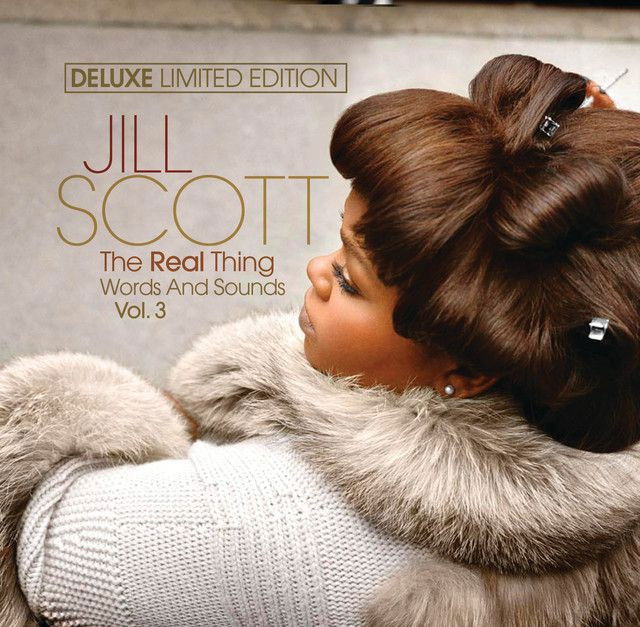
Celibacy Blues by Jill Scott
The joke and the ache at the center
The meaning of Celibacy Blues Jill Scott starts with a simple idea: choosing abstinence does not erase desire. Instead, the song turns that gap into comedy, confession, and a very human complaint. Jill Scott’s speaker is trying to hold a line, but their body and mind keep pushing back.
"Celibacy Blues" - Jill Scott
Lawd,just got something over me
Like an addict,I could really use a thing
Loading lyrics...
Unable to load lyrics
We're unable to display the lyrics at this time. Please try again later.
That tension is what makes the song memorable. It is not a moral lecture, and it is not a tragic breakup ballad. It is a playful R&B monologue about wanting relief, needing discipline, and feeling both at once.

Watch the official Celibacy Blues
music video
What the song is really about
At its core, “Celibacy Blues” is about the mismatch between intention and appetite. The narrator has chosen celibacy, yet the choice feels less peaceful than expected. When they describe this here celibacy thing
, the phrase sounds almost like a burden that has taken on a life of its own.
The song also treats desire like a physical condition. The speaker compares the urge to addiction and admits that the feeling keeps returning. That is why the lyrics land: they do not pretend self-control is easy.
Interpretation: Scott frames celibacy not as purity or failure, but as a daily struggle. The point is not whether abstinence is right or wrong. The point is how hard it can be to live with unmet need.
A voice that sounds candid, not polished
One reason the song works is its speaking voice. The lyrics sound conversational, almost like a friend talking late at night. Phrases like Lawd
and the repeated moans give the performance a lived-in, comic rhythm.
That voice matters because it removes distance. The narrator is not hiding behind metaphor for very long. They say they cannot sleep, they feel stress, and they are improvising ways to cope. Even the line about new batteries
is blunt in a way that is funny because it is so direct.
How the lines build the theme
The opening establishes the problem fast. The speaker says celibacy has gotten “over” them, which suggests they feel overtaken by it. Then the addiction comparison raises the stakes. This is not a passing thought; it is a craving with momentum.
The next section deepens that idea through routine details. Sleeplessness, restlessness, and self-soothing show how desire shapes everyday life. The song does not need a big story arc because the frustration is the story.
It’s been hard to sleep at night
I get some new batteries
Those lines make the song funny, but they also reveal loneliness. The humor works because it covers a real absence.
Later, the lyric shifts outward. The world’s pressures come down on a girl
, and stress makes the need feel stronger. That broadens the meaning. Celibacy is not only a sexual issue here; it becomes part of how the speaker handles anxiety, comfort, and release.
The chorus idea: mind versus body
One of the sharpest moments comes when the song pushes back on the cliché mind over matter
. The narrator more or less says that advice is useless in the face of actual longing. This is a key part of the meaning of Celibacy Blues Jill Scott because it shows the song’s real target: easy slogans.
The speaker knows what people say they should do. They just do not find those lines helpful. In other words, the song is skeptical about tidy wisdom when the body is making louder arguments.
Interpretation: This may be why the song feels empowering even while the narrator sounds overwhelmed. They are telling the truth about desire instead of pretending discipline comes naturally.
Why the blues frame matters
Calling the song “Celibacy Blues” is smart. In blues tradition, personal trouble gets voiced through wit, repetition, and complaint. Scott borrows that emotional shape, even though the track sits in modern R&B/soul.
The title suggests that abstinence itself becomes the blues condition. The singer is not mourning a specific lover so much as the state of being deprived. That gives the song a larger meaning: people can laugh at their pain and still mean every word.
Sound, performance, and artist context
Jill Scott is known for mixing spoken intimacy, neo-soul warmth, and sharply observed adult emotion, a style heard across her career and public profile at Biography. “Celibacy Blues” fits that image well. It uses everyday language, but the delivery carries musical finesse.
Factually, the song is credited to Jill H. Scott, Adam W. Blackstone, and Randall C. Bowland. Musically, the R&B/soul setting matters. A slow, groove-based feel lets the jokes breathe, while Scott’s phrasing gives the lines elasticity. They can sound amused one second and strained the next.
That balance keeps the song from becoming novelty. The production likely aims for warmth over drama, supporting the idea that this is intimate frustration, not a grand crisis. In that way, the sound underlines the lyrics: desire lingers, loops, and refuses to vanish.
Reception and alternate readings
Songs like this often connect because they treat adult sexuality with honesty instead of fantasy. Scott has long been praised by outlets like Britannica for blending poetry, soul, and frank emotional insight. “Celibacy Blues” fits that lane by making private conflict feel communal and funny.
Interpretation: Some listeners may hear the song as a celebration of sexual honesty. Others may hear a deeper point about self-denial of any kind: the more a person suppresses a need, the louder it can become. Both readings fit the lyric details.
Why the song still resonates
The meaning of Celibacy Blues Jill Scott is not complicated, but it is precise. It is about trying to be disciplined while feeling deeply, physically human. The song turns that contradiction into humor without mocking the feeling itself.
That is why it lasts. It says what many people think but rarely say out loud: restraint can be noble, but it can also be miserable.
Disclaimer: This interpretation is based on the lyrics, credits, and publicly available artist context. As with any song, listeners may hear meanings beyond the ones discussed here.







