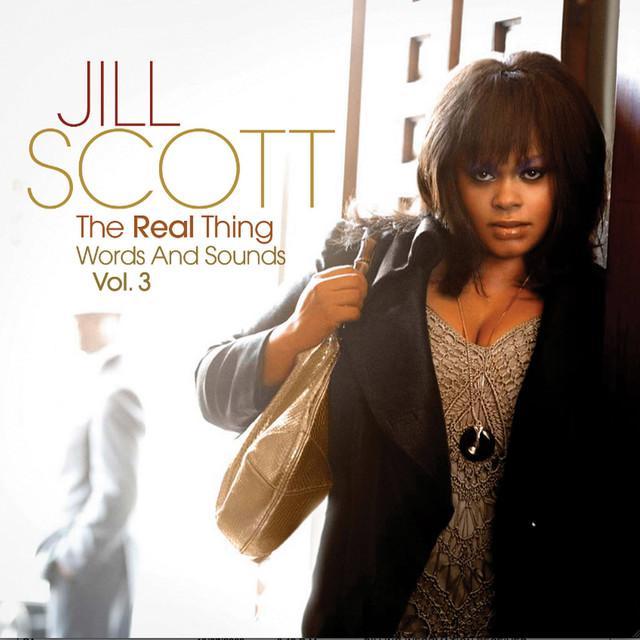
Come See Me by Jill Scott
A Love Song Built on Distance and Need
The meaning of Come See Me Jill Scott starts with separation. The song presents a speaker who is deeply in love, physically apart from her partner, and almost vibrating with the need to close that distance. This is not casual flirting. It is a plea for presence.
"Come See Me" - Jill Scott
about cha babe,wanting you
I wish you could catch a jet plane,I know you
Loading lyrics...
Unable to load lyrics
We're unable to display the lyrics at this time. Please try again later.
From the opening, they frame the relationship as real but strained by money, travel, and time apart. The wish that the lover could simply arrive by plane makes the problem plain: this is a romance limited by everyday life, not by weak feelings. That matters because it turns the song into a mature love song. The obstacle is practical, but the ache is emotional and physical.
When Scott sings about a midsummer night hour
, the setting feels warm, restless, and intimate. Summer often suggests heat, and here that heat becomes desire. The night setting also adds loneliness. They are alone with their thoughts, and those thoughts keep circling back to one person.

Watch the official Come See Me
music video
The Core Message Beneath the Chorus
At its heart, the song is about longing for emotional and physical union. The repeated call to come see me
is simple, but that simplicity gives it power. It is not dressed up in clever language. It sounds direct because the feeling is direct.
The chorus ties passion to devotion. Phrases like passion and desire
and innumerable fires
suggest feelings too strong to contain. Scott is not describing a passing crush. They are describing a connection that feels consuming.
Interpretation: The chorus also shows that desire in this song is not separate from love. In many R&B songs, lust and romance can pull in different directions. Here, they move together. The speaker wants touch, but also certainty, closeness, and a shared future.
Who Is Speaking, and Why It Feels So Urgent
The voice in the song is deeply personal and vulnerable. They are not hiding uncertainty behind coolness. Instead, they admit waiting, imagining, hoping, and even fearing how powerful reunion might feel.
That honesty is one reason the song lands. The speaker does not only say they miss someone. They explain how absence affects the body. One striking line describes rain falling on the inside
, turning emotion into weather. It is a vivid way to say that longing is not just mental sadness; it is physical pain.
I can hardly stay in my skin
It's hard to breath out and in
This brief moment pushes the song from yearning into near-overwhelm. Even without many words, the idea is clear: desire has become so intense that it feels difficult to contain in the body.
A Short Story Told in Emotional Beats
The song unfolds in a simple but effective sequence:
- They think about the absent lover late at night.
- They explain why the reunion has not happened yet, including financial limits.
- They insist the bond is real and mutual.
- They confess that waiting has intensified both hope and desire.
- They end in emotional urgency, asking for the lover to come now.
That structure mirrors the way longing often works. It starts in thought, moves into fantasy, then becomes a bodily need. By the end, the speaker can no longer sit calmly with the separation.
Womanhood, Vulnerability, and Certainty
One of the song's strongest features is how it blends softness with conviction. The speaker says, in essence, that they know what this love means. There is no game-playing here. They are ready to trust what they feel.
When the lyric declares I am your woman
, it signals commitment as much as desire. This line is not just about romance roles. It tells the listener that the speaker sees this relationship as chosen, mutual, and serious.
Interpretation: There is also a subtle theme of surrender. The repeated wish to be overwhelmed suggests that love is valuable partly because it breaks down self-protection. They want to feel fully, even if that feels scary.
How the Sound Deepens the Meaning
“Come See Me” fits naturally into Jill Scott's blend of R&B, soul, and spoken intimacy. Scott emerged as a major voice in neo-soul with Who Is Jill Scott? Words and Sounds Vol. 1, a breakthrough album that helped define the style in the early 2000s. That album's critical success is widely documented by sources such as Billboard and the Recording Academy.
Musically, the song supports its message through warmth and patience. The groove is unhurried, letting desire build instead of explode. That slow burn matters. A faster beat would change the feeling into excitement alone, but this arrangement leaves room for ache, breath, and anticipation.
Scott's vocal style is also key. They often sing as if speaking directly to one person across a room. That closeness makes the request feel private, almost whispered. As the song rises, the voice grows fuller and more urgent, matching the emotional escalation in the lyrics.
Why Fans Connect With It
Part of the song's staying power is how adult it feels. The lovers are separated by real-world limits, not teenage misunderstanding. Money troubles, travel barriers, and timing issues are common experiences. Scott turns those practical problems into something sensual and poetic.
Listeners also connect to the balance of confidence and exposure. The speaker knows what they want, but they are still tender enough to admit need. That mix is central to Jill Scott's appeal as a writer and performer.
Final Reading: What “Come See Me” Really Means
The best way to understand the meaning of Come See Me Jill Scott is as a song about love made sharper by absence. It turns waiting into heat, distance into ache, and reunion into almost spiritual release. Its emotional force comes from how honestly it says that being apart can feel unbearable when love is sure.
In that sense, the song is both a request and a confession: come closer, because what they feel is already too big to hide.
Disclaimer: This interpretation is based on the lyrics, performance, and available context. As with any song, listeners may hear different meanings in it.







