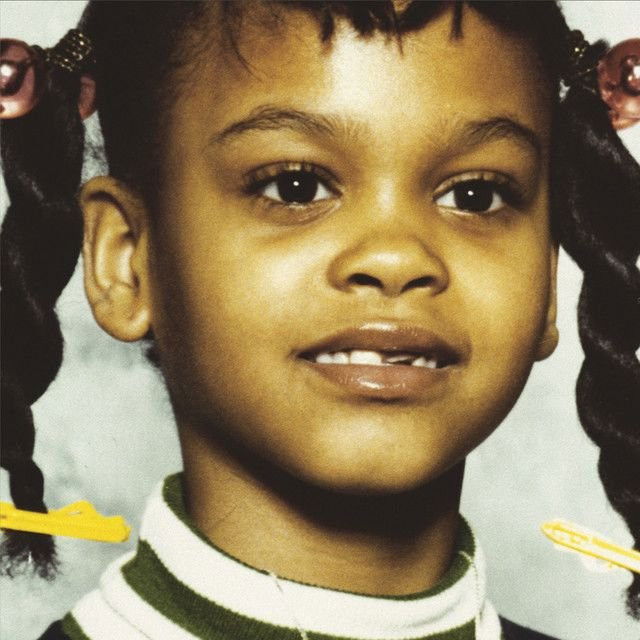
Why "I Keep" by Jill Scott Feels So Steady
The meaning of I Keep Jill Scott centers on resilience. The song is about facing envy, betrayal, and emotional strain without letting those forces define a person’s spirit. Instead of pretending pain does not exist, Jill Scott frames endurance as a daily practice: keep moving, keep loving, and keep feeling.
"I Keep" - Jill Scott
Wanna break you down
Steal your crown
Loading lyrics...
Unable to load lyrics
We're unable to display the lyrics at this time. Please try again later.
That balance is what gives the song its power. They do not hear a revenge anthem here. They hear a grounded statement of survival, one that answers hurt with motion instead of bitterness.
A Soul Song About Endurance, Not Denial
At the start, the lyrics describe people who want to tear someone down. Scott lists different kinds of hostility: people who flatter, people who use, and people who resent another person’s light. Short phrases like break you down
and steal your crown
make that threat feel personal and direct.
But the song’s real point is not those attackers. It is the response. When the chorus arrives, the voice refuses to stay trapped in that negativity. The repeated I keep
becomes a mantra. It suggests progress is not dramatic or perfect; it is a series of choices made over and over.
Interpretation: the song argues that strength is not hardness. It is consistency. Scott’s narrator keeps going not because life is easy, but because stopping would let other people’s damage take control.

Watch the official I Keep
music video
The Voice at the Center of the Lyrics
This is a first-person song, but it speaks to a broad audience. Even though the narrator says keep on dreamin'
and similar affirmations about their own life, the words are open enough that many listeners can step into them.
That matters because the verses describe common social wounds. Jealousy, fake support, and emotional betrayal are not framed as rare events. They are presented as part of real life, especially for someone who is visible, generous, or successful.
There is one especially revealing moment when the singer says they smile in public but cry when needed. That line keeps the song from becoming simplistic. It shows that perseverance includes private release. They do not hear a demand to be cheerful all the time. They hear permission to be honest and still continue.
How the Song Moves From Wound to Will
The structure is simple, and that simplicity helps the message land.
- The verses name the problem: harmful people exist.
- The refrain answers with action: keep going.
- The repeated lines widen that action into a full life philosophy.
In other words, the song does not spend much time analyzing the motives of cruel people. It identifies them, then turns away. That is a meaningful artistic choice. Scott gives more space to healing habits than to the people causing the hurt.
Keep on laughin'
Keep on livin'
Keep on lovin'
That brief cluster captures the song’s emotional engine. The answer to meanness is not withdrawal from life. It is deeper participation in life.
Why the Chorus Hits So Hard
The chorus works because it uses repetition without sounding empty. Every return to movin' forward
feels like another breath after pressure. The language is plain, but that plainness makes it believable.
Many inspirational songs over-explain their lesson. This one does the opposite. It keeps the core verbs simple: move, laugh, live, love, dream, achieve, believe. Because the vocabulary is basic, the emotional weight comes from delivery and accumulation.
Interpretation: the hook may also reflect self-talk. Rather than addressing enemies directly, the narrator appears to coach themselves through pain. That turns the chorus into both testimony and tool.
Jill Scott’s Style Makes the Message Warmer
Jill Scott is known for blending spoken intimacy, neo-soul warmth, and emotional clarity across her catalog, as heard on her breakthrough album Who Is Jill Scott?. In that context, “I Keep” fits her larger artistic interest in self-worth, vulnerability, and mature emotional insight.
The credited writers provided in the song context are Jill H. Scott, Andre Harris, and Vidal Davis. Those names matter because Harris and Davis are associated with a smooth, groove-based R&B style that supports reflective lyrics rather than overpowering them.
How the Sound Carries the Meaning
Musically, the song leans on classic R&B and soul values: steady rhythm, warm textures, and a vocal performance that feels encouraging rather than explosive. Instead of sounding frantic, the groove sounds centered.
That production choice supports the theme. A song about persistence could have been louder or more aggressive. Here, the restraint suggests inner control. The beat keeps its footing just as the narrator keeps theirs.
Scott’s singing also matters. They hear a voice that sounds lived-in, patient, and human. When she stretches the repeated phrases, she makes perseverance sound embodied, not theoretical. The song does not just describe endurance; it performs it.
For readers exploring the meaning of I Keep Jill Scott, that connection between lyric and arrangement is key. The message would be weaker with a chaotic instrumental. Its calm pulse is part of the argument.
A Few Strong Themes Beneath the Surface
Several themes run through the song:
- resilience after betrayal
- self-possession under pressure
- emotional honesty
- hope as a discipline
- joy as resistance
The most interesting of these may be joy as resistance. The singer is not merely surviving attacks. They are choosing not to let bitterness rewrite their personality.
Final Take on “I Keep”
In the end, “I Keep” is a song about staying whole in a damaged social world. It recognizes envy and cruelty, but it refuses to center them. Its message is simple: pain is real, tears are allowed, and forward motion still matters.
That is why the song remains affecting. It offers not fantasy, but practice.
Disclaimer: This interpretation is based on the lyrics provided, credited song information, and publicly known context about Jill Scott’s style. As with any song, listeners may hear meanings that differ.







