What "He Went to Paris" Really Means
The meaning of He Went to Paris Jimmy Buffett starts with a life story, but it ends as something larger: a meditation on aging, loss, survival, and hard-won peace. This is not one of Buffett’s beach-party songs. It is one of their most reflective pieces, following a man across decades as they chase answers, suffer grief, and finally accept that life never fully explains itself.
"He Went to Paris" - Jimmy Buffett
Looking for answers
To questions that bothered him so
Loading lyrics...
Unable to load lyrics
We're unable to display the lyrics at this time. Please try again later.
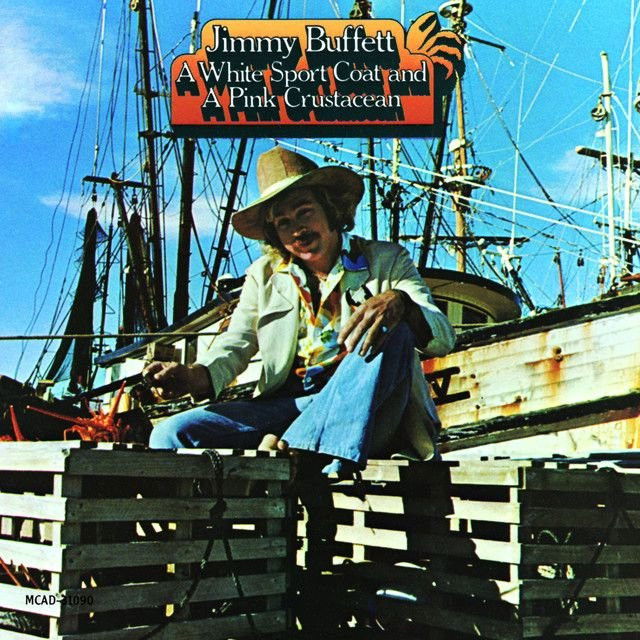
Released in 1973 on A White Sport Coat and a Pink Crustacean, the song was written by Jimmy Buffett and produced by Don Gant. It did not chart at first, but it later became one of Buffett’s most admired songs and appeared on major compilations. Research on the song’s background also points to a real inspiration: Eddie Balchowsky, a one-armed Spanish Civil War veteran Buffett met in Chicago.
A Life Story Told in Fast, Painful Cuts
The song is built like a short novel. It starts with a young man who goes abroad, full of purpose and idealism, trying to solve the big questions that trouble them. Buffett frames that search with the phrase looking for answers
, which becomes the song’s emotional engine.
Then the years begin to vanish. Paris gives way to England, where the man plays piano, marries, becomes a father, and settles into quiet domestic life. Buffett summarizes huge stretches of time in a few quick scenes, making adulthood feel both full and fragile.
That structure matters. The song keeps showing how ordinary happiness and terrible pain can sit side by side. Family, routine, war, memory, and old age are not separate chapters here. They crash into each other.

Watch the official He Went to Paris
music video
The Core Theme: Life Stays Unfinished
At the center of the song is a hard truth: people may spend their whole lives seeking meaning, and still never get neat answers. Buffett makes that clear when they describe the man storing away all of the answers
in an attic. In plain terms, the character seems to put aside the search for wisdom while living day to day.
Interpretation: that attic image suggests postponed self-understanding. The man does not really solve life. They shelve the questions because work, marriage, time, and habit take over.
Later, tragedy tears that calm apart. War destroys the family they built and leaves them physically wounded. The song does not treat suffering as noble or cleansing. It presents grief as shattering.
Yet Buffett does not leave the character in despair. Instead, the song moves toward a rough, unsentimental acceptance. Life is not explained. It is endured, remembered, and finally judged by whether it was lived fully.
Why Paris Matters More Than Geography
Paris works as more than a place name. In the song, it represents the dream of culture, purpose, romance, and intellectual clarity. The man goes there imagining life can be solved if they just travel far enough or think deeply enough.
Interpretation: Paris is a symbol of youthful idealism. England becomes stability. The islands become acceptance.
That final setting is especially important. When the character ends up in island life, fishing, drinking, and writing memoirs, Buffett strips away ambition. What remains is memory and presence. They no longer seem desperate to decode existence. They simply live with what happened.
The Famous Last Line Changes Everything
The song’s emotional payoff arrives in its closing wisdom, when the old man tells Jimmy:
some of it's magic
some of it's tragic
That brief statement explains why the song lasts. It is simple, but not shallow. Buffett reduces an 86-year life into a plainspoken philosophy: joy and pain are mixed together, and neither cancels the other.
The final thought that they had a good life
does not erase war, death, or loneliness. It means a life can be broken and still be worthwhile. That is a much deeper message than easy optimism.
The Real-Life Influence Behind the Story
The song gains weight because Buffett tied it to a real person. In later comments, they said it was inspired by Eddie Balchowsky, whom Buffett met at Chicago’s Quiet Knight. Buffett explained that Eddie told stories about the Spanish Civil War, injury, and Paris, and that the song blended those stories with literary history Buffett already knew.
That background helps explain why the song feels both specific and mythic. It is rooted in a human encounter, but it also sounds like folklore. Rather than writing a strict biography, Buffett shaped Eddie into a character who could carry bigger themes about history and aging.
This also matters for Buffett’s reputation. They are often reduced to their carefree hits, but this song shows their strength as a storyteller. Even Bob Dylan later singled out "He Went to Paris" as a Buffett favorite, which helped renew interest in the song.
How the Music Supports the Meaning
Musically, the song is understated, and that restraint is a big reason it works. The original 1973 recording features a soft, singer-songwriter arrangement with country and folk touches. The tempo is gentle, the melody is unhurried, and the vocal delivery avoids melodrama.
That matters because the lyrics cover huge emotions. A louder production might have pushed the song into sentimentality. Instead, the calm sound lets the story breathe.
There is also a strong contrast between the smooth music and the violence of the plot. That tension mirrors memory itself. People often tell the hardest parts of life in quiet voices, after the shock has settled.
A brief timeline of the character
- They leave for Paris with idealism.
- They build a life in England.
- War destroys that life.
- They drift to the islands in old age.
- They arrive at a modest wisdom.
Why the Song Still Connects
The meaning of He Went to Paris Jimmy Buffett still resonates because it understands how adults really talk about life. It does not promise closure. It offers perspective.
For younger listeners, the song can sound like a warning about time slipping away. For older listeners, it can sound like recognition. Either way, Buffett turns one man’s wandering life into a universal idea: people may never solve existence, but they can still make peace with its mix of beauty and damage.
That is why this song remains one of Buffett’s most respected deep cuts. It is gentle, sad, wise, and honest.
Disclaimer: This interpretation draws on the lyrics, recording context, and public commentary, but song meaning can remain personal and open to more than one valid reading.







