Why “Margaritaville” Is More Than a Beach Song
The meaning of Margaritaville Jimmy Buffett is often reduced to beach chairs, frozen drinks, and vacation-day vibes. That is part of the song’s appeal, but it is not the whole story. Under the relaxed surface, Jimmy Buffett turns a funny coastal scene into a portrait of drift, denial, and finally self-awareness.
"Margaritaville" - Jimmy Buffett
All of those tourists covered with oil
Strummin' my six-string on my front porch swing
Loading lyrics...
Unable to load lyrics
We're unable to display the lyrics at this time. Please try again later.
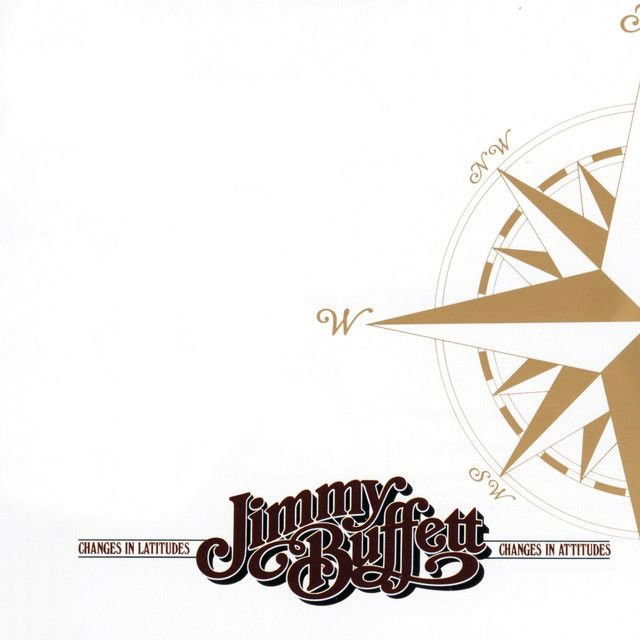
Released in 1977 on the album Changes in Latitudes, Changes in Attitudes, “Margaritaville” became Buffett’s signature song and helped define the easygoing world many fans associate with him. Factually, it is a soft rock hit with country and Gulf Coast flavors. Interpretation: emotionally, it is about someone trying to laugh through a life that feels stalled.
A Sunny Song With a Slight Hangover
At first, the setting sounds ideal. The narrator is on a porch, near the ocean, with music, food, and heat all around them. Details like watchin' the sun bake
and front porch swing
build a postcard image of tropical ease.
But Buffett does not present paradise as pure peace. The character is not thriving so much as drifting. They are passing time, watching tourists, strumming a guitar, and doing very little that suggests purpose or direction. That contrast is the key to the song.
The famous chorus makes that tension unforgettable. When the narrator says wastin' away again
, the line sounds playful, yet it also hints at boredom, avoidance, and emotional wear. They are escaping, but they also know they are stuck.

Watch the official Margaritaville
music video
The Lost Salt Shaker Means More Than It Seems
One of the song’s smartest images is the search for a lost shaker of salt
. On the surface, it is a joke. A missing table item is hardly a tragedy.
Still, that small search becomes a symbol for something bigger. Interpretation: the narrator may be looking for the tiny thing that will make life feel balanced again. Salt gives flavor. In that sense, the missing shaker can stand for lost control, lost direction, or the missing piece they keep hoping will fix everything.
That is why the chorus works so well. The problem sounds silly, but the feeling behind it is real. Many listeners recognize that habit of blaming life’s discomfort on one missing detail instead of facing larger issues.
From Blame to Responsibility
The emotional arc of “Margaritaville” is subtle but important. Early on, the narrator repeats the idea that there's a woman to blame
. That line sounds casual, even tossed off, as if they want an easy explanation for their situation.
As the song moves forward, the blame starts to shift. The narrator first seems unsure, then admits it could be my fault
, and by the end accepts my own damn fault
. That progression gives the song its hidden depth.
Instead of staying a beach comedy, it becomes a story about owning one’s choices. Buffett lets the lesson arrive lightly. There is no speech, no dramatic confession, just a man in a warm climate realizing that his mess may not be anyone else’s doing.
Small Mishaps, Bigger Truths
The verses are full of comic details: a mystery tattoo, a blown flip-flop, and a cut heel from stepping on trash. These moments are funny because they feel random and avoidable at the same time.
They also reveal the narrator’s lifestyle. Life in Margaritaville is not glamorous perfection. It is messy, sunburned, improvised, and a little foolish. Even the injuries feel like the result of someone moving through life half-distracted.
That is why the song remains relatable. Most people have had seasons where they laughed at their own poor decisions while still feeling the consequences. Buffett captures that exact mix of charm and regret.
Some people claim that there's a woman to blame
But I know it's my own damn fault
That brief closing idea lands because it resolves the song’s central tension. The narrator may still be in the same place, but their honesty has improved.
How the Sound Sells the Story
Part of the meaning of Margaritaville Jimmy Buffett comes from its sound as much as its words. The arrangement is relaxed, mid-tempo, and airy. Acoustic guitar, soft rhythm, and Buffett’s unhurried vocal style make the song feel like a breeze coming off the water.
That matters because the music softens the harder truth in the lyrics. If the same words were sung over a darker track, the song could feel bleak. Instead, Buffett makes self-inflicted disappointment sound survivable.
The production also reflects his broader style, which blended rock, country, folk, and coastal bar-band warmth. According to the Rock & Roll Hall of Fame, Buffett built a world around songs that mixed humor, travel, and American escape fantasies. “Margaritaville” may be the clearest example of that balance.
Why the Song Lasted So Long
The song endures because listeners can hear it in two ways at once:
- as a carefree vacation anthem
- as a comic song about avoiding responsibility
- as a gentle confession about finally growing up
Those readings do not cancel each other out. They strengthen each other. The song is fun because the narrator is flawed, and it is meaningful because Buffett never judges them too harshly.
The Real Escape in “Margaritaville”
In the end, “Margaritaville” is not just about escaping to paradise. It is about the stories people tell themselves when life feels off-course. The beach setting, the drink, and the lazy afternoon all help mask a deeper truth: the narrator cannot fully relax until they stop looking for someone else to blame.
That is the lasting charm of the song. It offers fantasy, but it also offers recognition. Many people do not just hear a tropical hit; they hear a smiling admission that sometimes the mess is self-made.
Disclaimer: This interpretation mixes widely known facts about the song with critical reading of its lyrics and tone. Meaning can vary from listener to listener.







