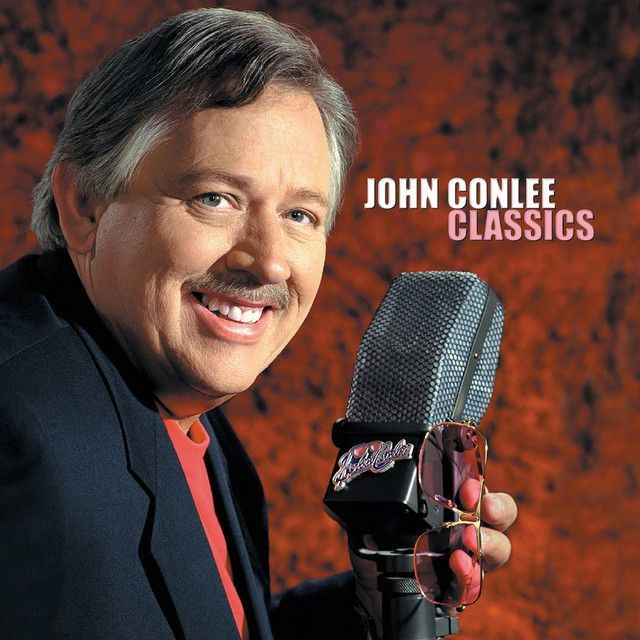
Miss Emily's Picture by John Conlee
A heartbreak song built around one small object
The meaning of Miss Emily's Picture John Conlee starts with a simple image: a man cannot stop living with reminders of a lost relationship. The song follows him through the day, from waking up to going to work, then out to a bar, and back home again. In every place, Emily is still there through a photograph.
"Miss Emily's Picture" - John Conlee
On the wrong side of the bed all night
Clinging to the broken heart Inside my head
Loading lyrics...
Unable to load lyrics
We're unable to display the lyrics at this time. Please try again later.
That is why the song hits so hard. It is not about a dramatic breakup scene. It is about what comes after. The narrator keeps moving, but emotionally they are stuck. The repeated act of straightening the photo shows someone trying to put life back in order, even though their feelings are still a mess.
Recorded by John Conlee and written by Red Lane, the song was released in 1981 as the second single from With Love. It reached No. 2 on Billboard’s country chart, a sign that its plainspoken pain connected with a wide audience. Those release details are widely documented, including on Wikipedia.

Watch the official Miss Emily's Picture
music video
The daily routine tells the real story
Morning, work, nightlife, home
The song is structured like a full day in the life of heartbreak. That structure matters because it shows grief is not limited to one moment. It follows the narrator everywhere.
At the start, they wake in fear and emptiness. The song mentions the bed and the nightstand, where they adjust Miss Emily's picture
. That detail suggests Emily is gone physically, but still present in habit and memory.
Then the setting shifts to the office. They try to function, but the workday falls apart under the weight of sadness. A drink in the coffee cup and a moment leaning on a friend show someone trying to hold together a public face while privately unraveling.
Later, they head downtown to a bar. The scene seems social, even lively, but the pain returns as soon as the noise dies down. They reach for a wallet photo and show it around, almost as if repeating the story might make the loss easier to bear. It does not.
By the end of the night, they are back where they started: alone, tired, and still orbiting the same memory.
Why the picture matters so much
The photograph is the song’s key symbol. A picture freezes time. It preserves a face, but it cannot return a relationship. That gap between memory and reality is where the song lives.
The repeated gesture of straightening the photo is especially revealing. On the surface, it is a small, ordinary action. Underneath, it suggests a need for control. The narrator cannot fix the breakup, so they fix the frame. They cannot straighten their life, so they straighten the image.
nothing but painlooking back at me
This brief chorus image turns the window into a mirror. What they see outside is really their own inner state. Interpretation: the world looks damaged because their emotions shape everything they see.
The chorus turns memory into a trap
The chorus gives the song its deepest meaning. It is not only saying the narrator misses Emily. It says the future has lost its pull. The line about yesterday's love
blowing away captures a person who knows the relationship is over, yet cannot release it.
That tension is central to the meaning of Miss Emily's Picture John Conlee. They understand the past is gone, but they still perform little rituals that keep it alive. Straightening the picture becomes both comfort and punishment.
Interpretation: the song is about unresolved grief more than romance itself. Emily matters, but the larger subject is the mind’s habit of revisiting what it cannot change.
John Conlee’s voice and the classic country setting
John Conlee was known for clear, direct storytelling in songs like those on his MCA run, and this track fits that strength well. The production, credited to Bud Logan, stays rooted in early-1980s country: steady rhythm, clean arrangement, and enough space for the vocal to carry the emotion. Basic factual details about the single and producer also appear in the song’s reference entry.
That restraint matters. A bigger or flashier recording might have weakened the story. Instead, the performance feels conversational, almost like someone confessing the hardest part of their day. Conlee does not oversell the sadness. They let the routine details do the work.
This is also why the song feels believable. The office, the bourbon, the wallet, the bedroom, the barroom laughter that fades into pain: these are everyday scenes. Country music often excels when it links large emotions to small actions, and this song is a strong example.
Two strong ways to read the song
Reading one: a breakup portrait
The most direct reading is that Emily left, and the narrator is struggling to accept it. Every room contains proof of her absence. In this view, the song is a realistic portrait of post-breakup fixation.
Reading two: a study of loneliness itself
A second reading goes wider. Emily may be one person, but the song also treats the picture like a stand-in for any lost stability. The narrator clings to an image because the rest of life feels unsteady, from three fingers bourbon
in the morning to late-night collapse at home.
Both readings fit the text, and both explain why the song has lasted.
Why the song still connects
The reason people still respond to this track is simple: it understands that heartbreak is repetitive. Healing is rarely dramatic. Often it looks like getting through the day, slipping backward, and repeating the same motions.
In that sense, the song’s closing image is devastating because it is so modest. Once again, they straighten the picture. Nothing is solved, yet the gesture says everything.
For many listeners, that is the true meaning of Miss Emily's Picture John Conlee: lost love survives through habits, objects, and routines long after the relationship ends.
Disclaimer: This interpretation is based on the lyrics, recording context, and documented release history. As with any song, individual listeners may hear different meanings.







