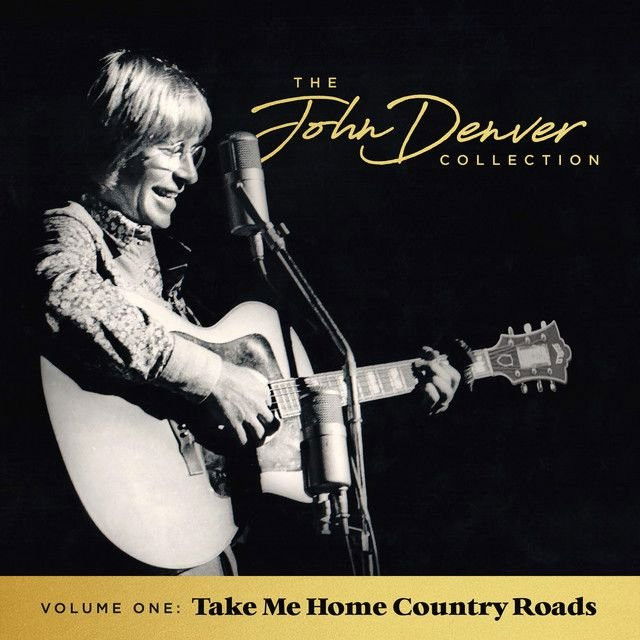
John Denver’s ‘Country Roads’: The Pull of Home
They know the feeling: one refrain and a room starts singing. This guide breaks down the meaning of Take Me Home, Country Roads John Denver, showing how simple images and a singable chorus became America’s homesick anthem.
"Take Me Home, Country Roads" - John Denver
Blue Ridge Mountains, Shenandoah River
Life is old there, older than the trees
Loading lyrics...
Unable to load lyrics
We're unable to display the lyrics at this time. Please try again later.
What the Song Really Says About Home
At heart, the song is about belonging. It treats “home” as both a real place and a state of mind. When the narrator pleads to be taken back, they’re asking for restoration—a return to identity, comfort, and a slower rhythm of life.
Interpretation: The short phrase Almost heaven
signals idealization. The land is sketched as a refuge where life feels older, steadier, and kinder. That ideal isn’t meant as geography class; it’s emotional shorthand for safety.

Watch the official Take Me Home, Country Roads
music video
Who’s Speaking, and What They’re Hearing
The voice is first-person, a traveler pulled by memory. Everyday triggers spark the longing: I hear her voice
in the morning and the radio reminds me
of home. These details show how homesickness works—ordinary sounds unlock whole worlds of feeling.
Interpretation: The line should’ve been home yesterday
compresses regret and urgency. The narrator isn’t just nostalgic; they feel misaligned with their present life and believe “home” will correct that.
From Maryland Roads to a West Virginia Anthem
Fact: Bill Danoff and Taffy Nivert began the song while driving along a country road in Maryland in late 1970. John Denver joined to finish it that night and debuted it at The Cellar Door in Washington, D.C., to a long ovation. Released April 12, 1971, it climbed to No. 2 on the Billboard Hot 100, went Gold that summer, and later Platinum.
Though inspired outside the state, the song became a West Virginia emblem; in 2014 it was named one of the state’s official anthems. In 2023, Denver’s recording entered the National Recording Registry, cementing its cultural significance. Those milestones reflect how a local image became a national—and global—shorthand for home.
Chorus as Compass: The Emotional Center
The chorus functions like a North Star, pointing the narrator and the listener back to origin.
Country roads, take me home To the place I belong
Interpretation: Repetition turns longing into ritual. Saying it again doesn’t change the map; it changes the singer, easing the ache with each pass through the hook.
Images and Symbols That Map Belonging
The opening pair Blue Ridge Mountains
and Shenandoah River places the story in a storied landscape. Mountains read as permanence; rivers suggest time and movement. Together, they mirror a life that’s “older” than the trees but still flowing.
Other flashes—moonshine, a miner’s family, dust on the sky—gesture toward a working-class, rural past. They’re not reportage; they’re archetypes. Interpretation: These images invite listeners to swap in their own versions, which is why people from Montana to Maryland feel addressed.
How the Sound Carries the Feeling
Musically, the track sits in A major at a gentle midtempo, around the pace of a relaxed highway drive. Denver’s 6- and 12‑string acoustics lay a bright bed, while a tasteful banjo line (by Eric Weissberg) adds rustic sparkle. Light drums and bass keep it steady without crowding the vocal.
The arrangement leaves space for communal singing—crucial to its afterlife at games, bars, and family gatherings. Denver’s clear tenor sells sincerity; there’s no wink, just warmth. Interpretation: That clarity tells the listener they’re safe to join in.
Other Ways to Hear It
Interpretation 1: A homesick traveler. The morning voice and radio are prompts from the road, and the plea is literal—get me back as soon as possible.
Interpretation 2: A myth of America’s pastoral self. The song imagines a refuge away from city stress where community and nature align. Even if the writers weren’t West Virginians, the portrait functions as a national daydream.
Interpretation 3: Community glue. Because the chorus is easy and uplifting, groups adopt it to mark unity—West Virginia University games, memorials, and singalongs—turning personal nostalgia into public ritual.
Takeaway
The meaning of Take Me Home, Country Roads John Denver rests on a simple truth: people carry home inside them, and sometimes a road song can open the door. By wedding evocative landmarks to a chorus anyone can sing, Denver and his co-writers turned one state’s hills into everyone’s map.
Disclaimer: Lyric interpretation is subjective. This article blends verified facts with clearly labeled interpretations above.
Sources
- https://en.wikipedia.org/wiki/Take_Me_Home,_Country_Roads
- https://www.loc.gov/programs/national-recording-preservation-board/recording-registry/
- https://en.wikipedia.org/wiki/Poems,_Prayers_%26_Promises
- https://www.quora.com/Whats-the-meaning-behind-the-song-Take-Me-Home-Country-Roads-by-John-Denver









