Why “Paper in Fire” Still Burns
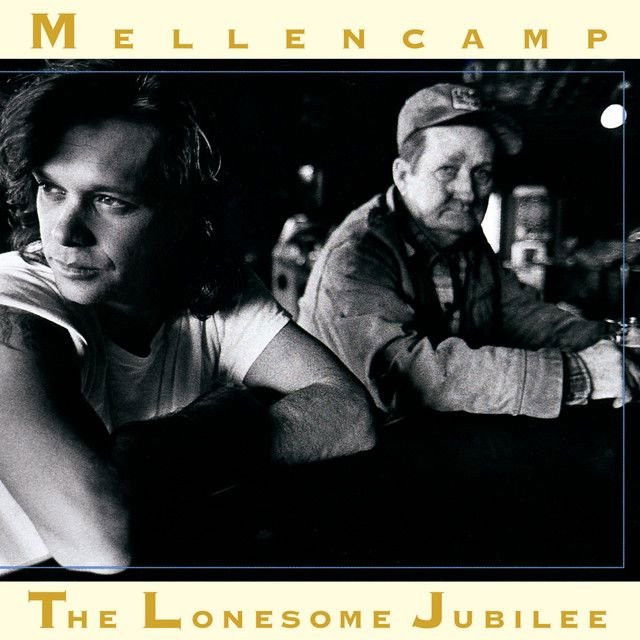
The meaning of Paper In Fire John Mellencamp starts with a simple but harsh image: goals, vanity, and desire can disappear fast when real life gets too close. Released on The Lonesome Jubilee in 1987, the song turns personal disappointment into a wider warning about modern American hunger for more, more, more. It is not just about one broken dream. It is about a pattern.
"Paper In Fire" - John Mellencamp
And boy it was a good one
So she chased after her dream
Loading lyrics...
Unable to load lyrics
We're unable to display the lyrics at this time. Please try again later.
John Mellencamp wrote the song, and it appeared on an album widely noted for mixing heartland rock with rootsier instruments and social observation. That blend helped make the song feel both personal and public. In broad terms, they present people chasing love, success, and comfort, only to watch those hopes burn up.
The Core Idea Hiding in the Flames
At its center, the song says that ambition is not the problem by itself. The danger comes when people build their lives on weak material. A dream can look solid, but once it meets pressure, ego, or reality, it can go up like paper in fire
.
That phrase is the song’s main symbol. Paper is light, useful, and full of plans: letters, notes, drawings, contracts, goals. Fire is hunger, time, temptation, and consequence. Put together, the image suggests how fragile human plans really are.
Interpretation: Mellencamp seems less interested in mocking dreamers than in warning them. The song sounds critical, but also sad. It sees human longing as natural. What hurts is how often that longing gets tied to false expectations.
Watch the official Paper In Fire
music video
Three Lives, One Message
The verses move through three examples, and each one adds a new angle to the meaning of Paper In Fire John Mellencamp.
First, there is a woman chasing a dream. She wants something deeply, but when she gets near her expectations, the dream burns away. The point is not that dreaming is foolish. It is that expectations can destroy the thing they were meant to guide.
Second, there is a man who wants love without responsibility. He wants pleasure without cost, closeness without commitment. The lyric no involvement
sums up that selfish wish. His life becomes empty motion, and his days disappear before he truly lives them.
Third, the song widens from individuals to society. It imagines a better life across the green fields
, always visible but always distant. Then appetite ruins that promise. What looked fertile turns barren.
Who’s to say the waya man should spend his daysDo you let them smolderlike paper in fire
This is the song’s big moral question. It does not fully preach. Instead, it asks whether people waste their lives slowly, letting them smolder rather than blaze with purpose.
The Chorus Turns Private Failure Into Social Critique
The chorus is catchy, but it is also dirty and unpleasant. Mellencamp does not describe a clean, dramatic fire. He gives listeners smoke, stink, and ash. Phrases like stinking up the ashtrays
and smoking up the alleyways
make failure feel ugly and public.
That matters because the song is not only about private regret. It suggests that bad choices leave residue. They affect streets, homes, relationships, and culture. When dreams collapse, they do not vanish neatly. They hang in the air.
Interpretation: This is one reason the song feels larger than a breakup song or a song about career ambition. It turns wasted desire into a social atmosphere. Everybody breathes it.
How the Sound Supports the Lyrics
Part of the song’s power comes from its tension between energy and warning. The track moves with drive and punch, but the message is bleak. That contrast mirrors the story: people feel alive while chasing things that may destroy them.
On The Lonesome Jubilee, Mellencamp leaned into a roots-rock sound with prominent acoustic textures, rhythm-section force, and folk-friendly color. The album is especially known for violin and accordion in its broader sound world, giving the songs a rough, lived-in American feel. In “Paper in Fire,” the groove pushes forward as if the characters cannot stop themselves.
Their vocal delivery also matters. Mellencamp sings with urgency, not distance. He sounds like someone inside the mess, not an observer above it. That keeps the song from becoming smug. Even when it judges vanity, it still sounds human.
Artist Context Makes the Song Hit Harder
By the late 1980s, Mellencamp had built a reputation for writing about small-town life, American dreams, and the gap between promise and reality. Songs from this era often looked at ordinary people caught between hope and disillusionment. “Paper in Fire” fits that pattern well.
That context sharpens the meaning of Paper In Fire John Mellencamp. They are not describing celebrity problems or abstract philosophy. They are describing a common American habit: believing the next field, the next romance, or the next success will finally satisfy them.
In that sense, the song belongs to the heartland rock tradition, but it is not sentimental. It sees the dream, then questions the appetite underneath it.
A Few Strong Readings of the Song
There is more than one reasonable way to hear it:
- Personal reading: It is about individuals whose desires collapse under reality.
- Moral reading: It warns against vanity, emotional avoidance, and excess.
- Social reading: It critiques consumer culture and endless wanting.
- Generational reading: It suggests each generation keeps reaching for the same distant ideal.
All of these readings fit because the lyrics move from one person, to another, to a whole culture.
Why It Still Connects Today
The song remains relevant because its target is timeless. People still chase perfect love, perfect status, and perfect lives. They still confuse wanting something with understanding its cost.
That is why the title image lasts. Paper is easy to write on, easy to wave around, and easy to lose. Fire is fast. Mellencamp puts them together to show how quickly a life can fill with smoke when desire has no anchor.
In the end, the song asks listeners to examine what they are feeding and what they are burning. That is the real meaning of Paper In Fire John Mellencamp: not the end of dreaming, but the warning that dreams without depth can vanish in seconds.
Disclaimer: This interpretation is based on the lyrics, recording context, and public knowledge about John Mellencamp’s work. Song meaning can remain open to individual listeners.







