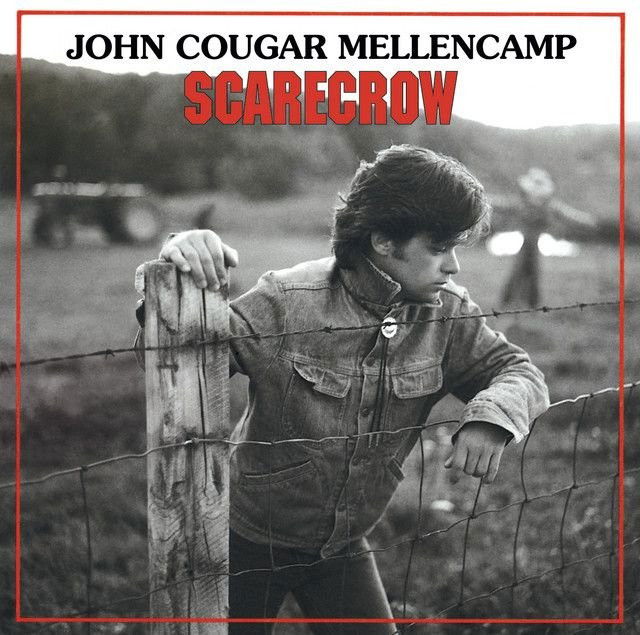
R.O.C.K. in the U.S.A. (A Salute to 60's Rock) by John Mellencamp
A loud postcard from rock's past
The meaning of R.O.C.K. in the U.S.A. (A Salute to 60's Rock) John Mellencamp starts with a simple idea: this is a celebration of the music that shaped him. Released as the third single from Scarecrow in 1986, the song looks back to the 1960s not with irony, but with gratitude. It honors the kids who chased music, the artists who changed radio, and the rough, human sound of early rock and soul.
"R.O.C.K. in the U.S.A. (A Salute to 60's Rock)" - John Mellencamp
And they come from the smaller towns
Beat up cars with guitars and drummers
Loading lyrics...
Unable to load lyrics
We're unable to display the lyrics at this time. Please try again later.
On the surface, it feels like a party record. The hook is huge, the beat is driving, and the title sounds almost like a chant at a game. But under that energy, Mellencamp is telling a story about ambition, struggle, and cultural mixing. They are not just hearing a fun old-school rocker; they are hearing a tribute to how American popular music moved people from ordinary lives into bigger dreams.
Watch the official R.O.C.K. in the U.S.A. (A Salute to 60's Rock)
music video
What the lyrics are really saluting
The verses focus on young musicians coming from all kinds of places, from cities to small towns. When Mellencamp mentions beat up cars
, he points to a classic rock-and-roll image: hungry bands traveling cheap, carrying gear, and betting everything on a chance.
That image matters because it keeps the song grounded. These are not stars yet. They leave home with pipe dreams
and little cash, which makes the song as much about risk as nostalgia. The dream of success is exciting, but the lyric also shows the cost: leaving family, sleeping on floors, and living with uncertainty.
One of the song's strongest ideas is that rock was built by many kinds of people. Mellencamp notes that some are black and some are white, folding race into the story of American music without turning the song into a speech. In plain terms, he is recognizing that rock, soul, R&B, and pop grew through shared influence.
Voices from nowhere
filled our head full of dreams
This short moment helps explain the whole song. The singers on the radio seemed distant, almost mythic, yet their records changed everyday listeners. Interpretation: Mellencamp suggests that music gave ordinary kids a new picture of who they could become.
How the named artists deepen the meaning
The roll call of artists is not random. Frankie Lyman, Jackie Wilson, Martha Reeves, James Brown, the Shangri-Las, and others form a map of Mellencamp's musical education. By naming them, he turns the song into a thank-you note.
This part also supports the subtitle, “A Salute to 60's Rock.” The salute is wider than rock in a narrow sense. It includes soul, girl-group pop, R&B, and high-energy singles that ruled radio. That broader view matches Mellencamp's own comments about old playlists. In a brief reflection quoted by American Songwriter, he praised an era when radio could jump across styles and still feel coherent.
Interpretation: The song argues that the best American music scene was mixed, surprising, and open. Its patriotism is cultural, not political. When Mellencamp sings about the U.S.A., he is talking about a musical ecosystem where different voices collided and created something alive.
Why the chorus sounds bigger than the story
The chorus repeats R.O.C.K. in the U.S.A.
like a rally cry. That repetition turns the private struggles in the verses into something collective. A few broke musicians become part of a national story.
This is why the song feels so anthemic. The verses show road-level details, while the chorus lifts those details into myth. Mellencamp is saying that the sound of kids chasing songs in garages, bars, and cheap cars became one of the country's defining cultural languages.
There is also a clever tension here. The title sounds broad and triumphant, but the details are specific and humble. That contrast keeps the song from becoming empty flag-waving. Its pride comes from work, sweat, and community.
The sound carries the message
Production is a big part of the meaning. According to Wikipedia's entry, the track was recorded during the Scarecrow sessions in 1985 and produced by John Mellencamp and Don Gehman. It runs under three minutes, which fits the old radio-single model it honors.
The arrangement is tight, loud, and playful. The drums hit hard, the guitars bounce, and the groove feels handmade rather than polished to perfection. That matters because Mellencamp reportedly had his band learn around 100 songs from the 1960s before recording Scarecrow. The goal was not to copy old hits exactly, but to absorb how they moved.
That choice helps explain the song's emotional effect. It feels immediate. The band sounds like they are pushing together in real time, not building a spotless machine. Interpretation: the rough edges are part of the tribute. Mellencamp is honoring the humanity of older records, where personality mattered more than precision.
Context, reception, and lasting meaning
An important bit of context is that Mellencamp almost left the song off Scarecrow because he thought it was lighter than the album's darker material. That makes its success even more telling. It reached No. 2 on the Billboard Hot 100, showing that listeners connected with its energy and memory.
Critics noticed that, too. Billboard said it evoked classic references without directly quoting them, which is a useful summary of its method. The song is less about one message than one feeling: the thrill of hearing music that rearranges a young person's world.
In the end, the meaning of R.O.C.K. in the U.S.A. (A Salute to 60's Rock) John Mellencamp is not just that old music was good. It is that old music felt like possibility. It welcomed strivers, crossed boundaries, and made a nation sound bigger than itself.
Final take: more than a nostalgia hit
For many listeners, this is simply a joyous throwback. That reading is fair. Interpretation: it is also a statement about where real musical excitement comes from: risk, mixture, and belief.
That is why the song still works. They hear a party anthem, but also a history lesson set to a beat. And that beat says American music becomes strongest when ordinary people dare to dream out loud.
Disclaimer: This interpretation blends documented context with critical reading, so some meaning remains open to the listener's own view.







