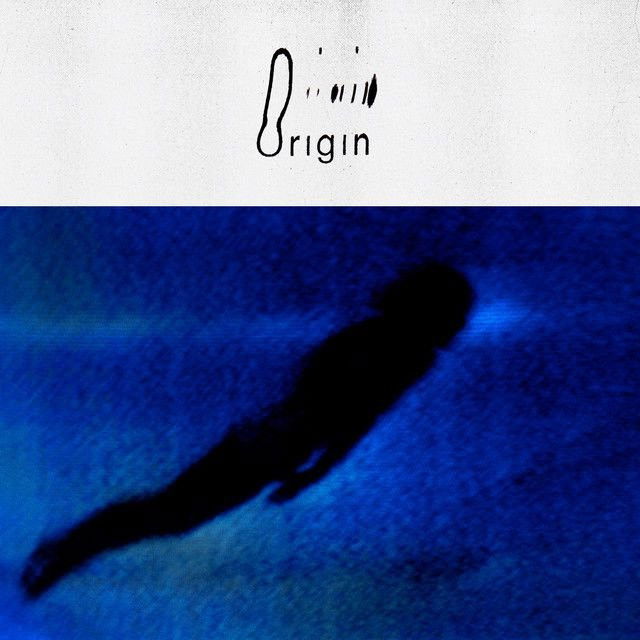
Rolling into One by Jordan Rakei
The meaning of Rolling into One Jordan Rakei comes into focus when the song is heard as both a warning and a survival guide. It is a track about pressure, memory, identity, and how people keep moving when the modern world feels unstable.
"Rolling into One" - Jordan Rakei
I held it until it came right, yeah
I'm looking on the bright side
Loading lyrics...
Unable to load lyrics
We're unable to display the lyrics at this time. Please try again later.
Jordan Rakei said the song is about “acceptance and perseverance” in the face of technology and artificially intelligent systems, while keeping a bright musical feel against darker lyrics, according to The Line of Best Fit (source). That statement gives the clearest factual starting point: the song is not just vague sci-fi. It is about enduring a future that feels dehumanizing.
The Song’s Core Idea: Keep Going in a Broken System
From the first verse, the speaker seems to be living after some kind of social or emotional collapse. The opening image of being in the aftermath of “madness” suggests they are not describing a calm world. Yet they still try to stay grounded and, as the lyric puts it, look on the bright side
.
That detail matters. The song does not deny chaos; it argues that survival may depend on refusing to be consumed by it. This matches Rakei’s own explanation about perseverance.
Another key line points to anxiety about memory and control. When the song says erase what they call memory
, it evokes a world where even inner life can be manipulated. In plain terms, the lyrics imagine a society where truth, identity, and personal history are under threat.
Watch the official Rolling into One
music video
Why the Chorus Feels So Unsettled
The chorus sounds emotional rather than literal. The speaker is asking permission
, unsure where to stand, and unable to find a safe place once everything is “said and done.” This gives the hook a trapped feeling.
Then comes the title phrase, rolling into one
. Interpretation: this may suggest many separate fears blending together—technology, social pressure, broken trust, and personal confusion becoming one giant force. Instead of neat categories, everything collapses into a single mood of overwhelm.
That is why the hook feels powerful. It does not offer control. It shows someone trying to keep their balance while the world merges into a blur.
Memory, Love, and Human Connection
The middle of the song shifts from broad dystopian imagery to more intimate emotion. The speaker wishes they had never seen how dangerous life can be, then hopes for memories that do not fade. That wish gives the song a human center.
For all its talk of systems and pressure, this is also a song about connection. Rakei said the album Origin was shaped by fears that society is losing connection, with influences including Black Mirror, The Handmaid’s Tale, and Twin Peaks, again reported by The Line of Best Fit (source). Those references help explain why the song feels both futuristic and emotionally bruised.
When the lyric says fake it 'til we make it
, it points to modern coping. People keep performing strength even when trust is weakening. The later plea, show me what love is
, sounds simple, but in this context it becomes urgent. Love is not just romance here. It is proof that something real still exists.
A Closer Look at the Harder-to-Decode Lines
Some later verses become fragmented and surreal. They mention systems, theory, empty questions, clones, and souls moving against the current. These lines can feel cryptic, but they still fit the song’s larger meaning.
Interpretation: the fractured wording mirrors a fractured reality. Instead of telling a clean story, the lyrics sound like a mind sorting through overload—social scripts, shallow intimacy, and institutions that no longer make sense.
The recurring resistance to “that system” is especially important. The speaker may feel trapped, but they are not passive. They reject the idea that life should be handed over to cold structures or easy theories.
How the Sound Carries the Message
One reason the song works so well is the contrast between sound and subject. The Line of Best Fit called it a “vibrant funk” single, and EARMILK described it as having a groove “ready for dance floors” while still focusing on perseverance within Origin’s larger themes of technology and humanity (source).
That contrast is the point. The production is lively, colorful, and mobile. The bass and rhythm push forward rather than sink inward. Rakei’s layered vocals also soften the heaviness, making the fear feel lived-in instead of theatrical.
In other words, the music performs acceptance. Even while the lyrics imagine loss of memory, trust, and freedom, the arrangement refuses paralysis. It keeps moving.
Where the Song Sits on Origin
Released on Origin in 2019, the track fits the album’s wider arc about modern anxiety and the effort to stay connected. EARMILK summarized the album as a project about technology’s impact on humanity, but also one that ultimately moves toward resilience and hope (source).
Within that context, “Rolling Into One” feels like a midpoint between fear and endurance. It does not sound defeated. It sounds pressured, alert, and still searching.
Final Take on the Meaning
The meaning of Rolling into One Jordan Rakei is best understood as a portrait of emotional survival in a world that feels increasingly artificial. Its lyrics imagine memory under threat, trust under strain, and identity being pressed by larger systems.
But the song does not stop there. It turns perseverance into its own form of resistance. Even in confusion, the speaker keeps reaching for light, memory, and love.
Disclaimer: This interpretation is based on the lyrics, the song’s sonic choices, and Rakei’s public comments. As with most songwriting, some meanings remain open to the listener.








