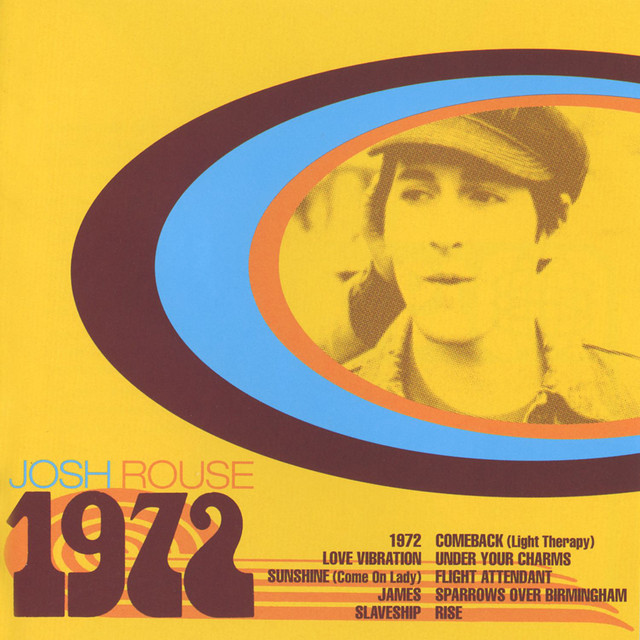
1972 by Josh Rouse
Why This Song Feels Small and Heavy
The meaning of 1972 Josh Rouse comes through in a series of everyday scenes. Rather than telling one big dramatic story, the song looks at ordinary people who feel trapped in low-paying jobs, drifting relationships, and fading hopes. Josh Rouse, an American singer-songwriter known for melodic, literate indie pop and folk-leaning writing, built a career around this kind of intimate observation. According to his official artist materials and discography, they have often blended classic pop warmth with reflective storytelling.
"1972" - Josh Rouse
Groovin' to a Carole King tune
Is it too late baby?
Loading lyrics...
Unable to load lyrics
We're unable to display the lyrics at this time. Please try again later.
Here, the title does not seem to mean only a calendar year. Interpretation: it works more like a mood. The opening image of someone feelin' 1972
while listening to a Carole King song points to nostalgia, softness, and maybe a fantasy of a simpler emotional life. That warm reference quickly collides with a much rougher reality.
Watch the official 1972
music video
A Portrait of People Looking for a Way Out
The song introduces several figures in quick strokes. One young man is described as trouble-prone, unemployed, and stoned. A woman works late shifts at a drive-through and quietly wonders if this is all life will be. Another moment places two people in a motel room while the news plays in the background, turning intimacy into something sad and temporary instead of romantic.
These details matter because Rouse avoids glamour. The characters are not rebels with exciting lives. They are tired, restless, and under pressure. Even their private moments feel boxed in by money, routine, and disappointment.
That is why the repeated image of finding a way out of this hole
becomes the song’s emotional center. It is not just about finances, though money is part of it. The “hole” also sounds like boredom, emotional stagnation, and the fear that life may never get bigger than this.
How the Verses Build the Theme
Snapshots instead of a single plot
One of the smartest things about the song is its structure. Each verse gives a different scene, and together they form a wider social picture. The song does not need a full backstory for each character. A few details do the work.
For example, the line about smokin' pot and playin' pool
is not there just to add color. It suggests wasted time and suspended adulthood. The person in that verse is not moving forward. They are stuck in a loop.
The image of a Spanish girl with the tattoo
works in a similar way. The lyric gives just enough detail to make her vivid, then shifts focus to her question about whether this limited life is all there is. The result is empathy, not judgment.
The private and public worlds collide
The motel-room scene is especially bleak because it pairs sex, TV news, and broken dreams in one place. Instead of escape, the room feels like another form of confinement. When the song asks where someone’s dream went, it suggests that even desire has been worn down.
What the Chorus Really Means
The chorus turns the individual stories into a shared condition. When the song says they are going through the changes
and hoping for replacement, it sounds like a community waiting for transformation but not knowing how to get there.
Interpretation: “replacement” may mean many things at once:
- a new job
- a new relationship
- a new self-image
- a new life entirely
That ambiguity is important. The song captures the vague but powerful urge to swap out a life that no longer fits.
Nostalgia Is Not Comfort Here
The Carole King reference does more than set a period mood. It creates contrast. King’s music often carries emotional directness and warmth, so mentioning that world at the start makes the rest of the song feel even more deflated.
Interpretation: Rouse may be using the idea of 1972 as a symbol of cultural memory—an imagined space of authenticity, melody, and possibility. But his characters do not live in that dream. They only brush against it through music, memory, or fantasy.
That tension gives the song depth. Nostalgia is present, but it does not save anyone.
How the Sound Carries the Message
Even without quoting much of the lyric, listeners can hear why the song lands. Rouse’s alternative style often favors warmth over aggression: easy-going grooves, melodic phrasing, and a gentle vocal approach. That matters here.
If the arrangement were louder or more explosive, the song might feel angry. Instead, it feels resigned, thoughtful, and humane. The soft delivery makes the characters sound less like symbols and more like people someone might know.
The steady rhythm also helps. It mirrors routine—the kind of daily motion that keeps going whether dreams are alive or not. In that sense, the music supports the lyric’s central conflict: life moves forward, but these people feel emotionally parked.
The Big Takeaway Behind the Title
At its core, the meaning of 1972 Josh Rouse is about stalled lives and the fragile hope of reinvention. The song notices people on the edge of giving up, yet it also hears their desire for something more. That is why the repeated wish to escape the “hole” hits so hard.
Rouse does not offer a clean ending or easy fix. They simply hold these lives up to the light and let listeners feel the ache inside them.
Disclaimer: This interpretation is based on the released lyrics and musical context. As with most songs, different listeners may hear different meanings in the same lines.







