Maria by Justin Bieber
The meaning of Maria Justin Bieber comes into focus fast: it is a defensive pop song about fame, accusation, and the pressure of having a private scandal become public entertainment. On the surface, the track is simple. The singer rejects a woman’s claim that he fathered her child. Under that surface, though, the song is really about a young celebrity trying to protect his name while the media watches.
"Maria" - Justin Bieber
Pop star Justin Bieber
Denied he fathered a child
Loading lyrics...
Unable to load lyrics
We're unable to display the lyrics at this time. Please try again later.
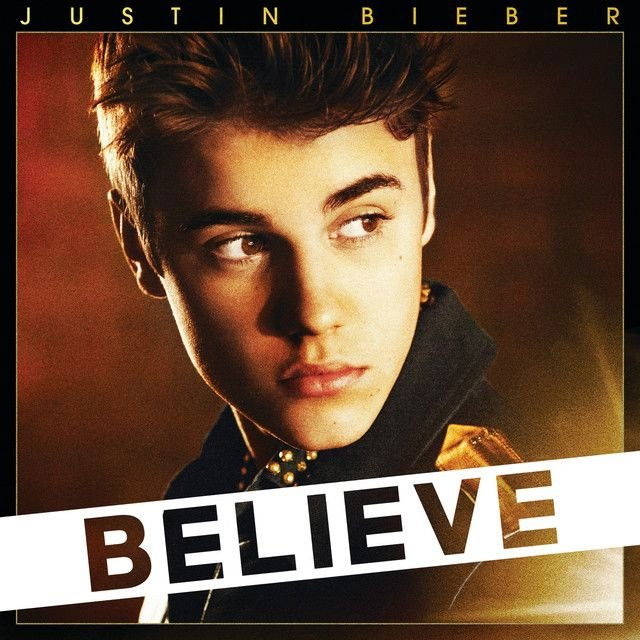
Released on Bieber’s 2012 album Believe, “Maria” arrived after a real-life tabloid storm involving a paternity claim that was later dropped, as covered by BBC News. That context matters because it turns the song from a general drama into a pointed response.
The Core Message Behind the Drama
At its heart, “Maria” is about public denial. The narrator is not unsure, conflicted, or heartbroken. They are firm. They repeat that the accusation is false and frame the woman not as a lost love, but as someone chasing attention.
That is why the chorus is so blunt. When Bieber repeats that ain't my baby
and that ain't my girl
, he is not exploring emotion in a subtle way. He is issuing a statement. The song treats rumor control almost like a press conference set to music.
Interpretation: The bigger theme is not only false accusation. It is the cost of celebrity itself. In “Maria,” fame creates a world where strangers can attach themselves to a star’s image, and headlines can spread faster than truth.

Watch the official Maria
music video
Why the Song Opens Like a News Clip
One of the smartest choices in the track is its spoken intro. It sounds like a media interview, with Bieber being asked about a woman and denying that he even knows her. That opening places listeners inside a tabloid cycle before the beat fully lands.
This setup tells them two things right away:
- The song is tied to public controversy.
- The singer feels watched, questioned, and pushed to respond.
By beginning this way, “Maria” blurs pop song and public statement. It is less diary entry than damage control. That framing is key to the meaning of Maria Justin Bieber, because the song is not just about one person named Maria. It is about media pressure turning private claims into spectacle.
A Story of Pursuit, Not Romance
In the verses, the woman is described as persistent and invasive. The singer says she met him on tour, keeps showing up, and will not leave him alone. Phrases like knocking on my door
and call the cops
present the situation as harassment, not heartbreak.
Then the song adds another layer: image management. The woman is said to be in magazines and on television, making noise in public. The issue is no longer just a claim between two people. It becomes a fight over reputation.
I'm talking to you, Maria
Why you wanna do me like that?
Those lines matter because they shift the tone from broad denial to direct confrontation. The singer names the accuser and asks why she is doing this, which gives the song a personal sting. It sounds angry, but also wounded by the idea of being used.
Chorus as a Public Rebuttal
The chorus works like repetition in a legal defense: say it clearly, say it often, and leave no room for confusion. Bieber keeps returning to the same core message because the song wants certainty, not ambiguity.
That repetition also mirrors how scandal works in celebrity culture. Rumors repeat. Headlines repeat. So the defense repeats too. Even she's not mine
feels less like poetry than a line meant to shut a story down.
Interpretation: Some listeners may hear the chorus as overly literal, but that directness is the point. “Maria” is not trying to be mysterious. It aims to seize control of the narrative before gossip defines it.
How the Production Supports the Meaning
Produced by Rodney Jerkins, “Maria” carries a polished pop-R&B sound that fits the Believe era. The beat is sharp, the groove is clean, and the vocals stay at the front, which keeps the accusation-and-response structure easy to follow.
There is also a clear influence from Michael Jackson’s style, especially in the song’s title concept and rhythmic urgency. That comparison is hard to ignore. Jackson also recorded a song called “Billie Jean” about denying paternity, and “Maria” feels like a modern pop descendant of that idea. Bieber’s track is less mysterious and more literal, but the family resemblance is there.
The production helps sell that tension. The rhythm pushes forward, giving the song a chased feeling. Bieber’s vocal delivery switches between controlled statements and emotional bursts, showing both media training and frustration. They sound like someone trying to stay composed while their name is being pulled into chaos.
Artist Context: Why It Hit at That Moment
In 2012, Bieber was moving from teen-pop image to a more mature sound on Believe. “Maria” fits that transition because it deals with adult scandal, public image, and distrust. It also lets him answer a real controversy without doing it only through interviews.
That choice gave the song two functions. It worked as album storytelling, but it also worked as reputation repair. For fans, it sounded like honesty. For critics, it could sound calculated. Both readings can exist at once.
A Useful Alternate Reading
Interpretation: Even if listeners ignore the real-life case, “Maria” still works as a song about how fame attracts projection. The woman in the song can represent anyone who wants a piece of celebrity power, whether through romance, attention, or a headline.
That broader reading is why the track still makes sense outside its original news cycle.
Final Take on the Song's Meaning
The meaning of Maria Justin Bieber is ultimately about denial under pressure. It tells the story of a young star rejecting a false claim while fighting to keep control of his identity in public. The lyrics are direct because the situation they answer was direct too.
What makes “Maria” interesting is not subtle poetry. It is the collision of pop music, scandal, and self-defense. In that way, the song becomes a snapshot of what celebrity can do: turn accusation into entertainment, and force the accused to sing back.
Disclaimer: This interpretation is based on the song’s lyrics, production, and public context. As with any song, listeners may hear meanings that differ from the reading above.







