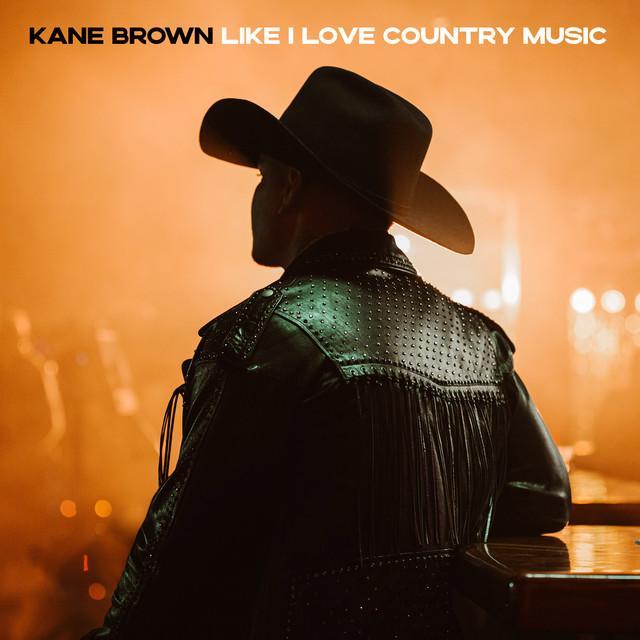
Why Kane Brown Made Love Sound Like Country
The meaning of Like I Love Country Music Kane Brown comes down to one bright idea: they describe romance by comparing it to something already central to their identity. Instead of saying they love someone in a generic way, the song ties that feeling to a lifelong bond with country music itself.
"Like I Love Country Music" - Kane Brown
Girl, you gone and done it to me, hotter than a hoochie-coochie
Got me like the first time I heard Alan Jackson "Chattahoochee"
Loading lyrics...
Unable to load lyrics
We're unable to display the lyrics at this time. Please try again later.
That makes the track more than a simple flirt song. It is playful on the surface, but it also shows how music, memory, and love can blend into one feeling.
A Love Song Built From Musical Memory
At its core, the song says this person changes the singer the same way great country songs once did. Early on, the lyrics compare a new crush to hearing a classic for the first time. The point is not just attraction. It is transformation.
When the song lands on lifelong fan
, it suggests devotion, not a passing spark. That phrase matters because it connects romantic feeling to fandom, habit, and identity. They are not saying the relationship is casual. They are saying it belongs in the same part of life as their deepest cultural comfort.
Interpretation: the song treats country music as a measuring stick for sincerity. If that love is permanent, then comparing a partner to it is a major compliment.
Watch the official Like I Love Country Music
music video
The Hook Turns Genre Pride Into Romance
The chorus is direct: I love you
is fused with country music
. That simple comparison is the song's whole engine. It works because country music is presented as more than entertainment. It is home, routine, and emotional history.
The line about turning on the radio makes that clear. The partner brings excitement in the same way favorite songs do. So the song frames love as something familiar and thrilling at once.
This is also why the chorus is so sticky. It takes a personal feeling and expresses it through a cultural symbol many listeners already understand. For country fans, loving the genre can mean family, summer, driving, nostalgia, and belonging. The song packs all that into one refrain.
Name-Dropping as Meaning, Not Just Fan Service
A big part of the song's appeal is its roll call of country icons and titles. Alan Jackson, Willie Nelson, George Jones, Johnny Cash, June Carter, and Brooks & Dunn are not random references. Each one carries a specific mood.
- Alan Jackson signals youthful excitement and classic country fun.
- Willie and Jones suggest a loose, larger-than-life country spirit.
- Johnny and June point to lasting partnership.
- Brooks & Dunn's
Brand New Man
supports the idea of being changed by love.
So when the singer says the relationship feels like these artists and songs, they are building a map of what kind of love this is. It is exciting, rooted, playful, and built to last.
Interpretation: the references also let Kane Brown place himself inside country tradition. He is not just borrowing old names. He is showing that his modern style still sees value in the genre's past.
How the Story Moves From Crush to Commitment
Even though the song is light, it has a clear emotional arc. It moves through a few simple stages:
- A person arrives and instantly changes everything.
- That feeling gets explained through country music memories.
- The relationship is imagined as steady and long-term.
- By the end, survival itself is linked to having both love and music.
The island image makes that last point especially clear. The singer says they would need the partner and a record playing to get by. That exaggeration is humorous, but it also reveals the song's values: love and music are the two essentials.
Why the Sound Matters So Much
The production helps sell the message. The song was written by Kane Brown, Jordan Schmidt, Matthew McGinn, and Taylor Phillips, and released in 2022, with credits widely listed by sources such as Billboard and MusicRow.
Musically, it leans into a bright, festival-ready country sound. The beat is upbeat, the structure is built for singalongs, and the fiddle break is a key detail. When the song calls for Play that fiddle
, it is doing more than hyping the band. It is announcing its country identity out loud.
That matters because Kane Brown often blends country with pop and R&B influences. Here, the production keeps things open and modern, but the fiddle, hand-clap energy, and radio-friendly bounce make the song feel proudly country. The sound supports the lyric's argument: this romance belongs in the same world as the music they grew up on.
A Smart Balance of Nostalgia and Accessibility
One reason the song connected with a broad audience is that listeners do not need to catch every reference to understand it. The central message is simple. But for country fans, each mention adds another layer.
That balance is one of the song's strengths. It can work as a summer love anthem, but it also works as a nod to the genre's emotional vocabulary. Kane Brown is speaking to longtime country listeners while keeping the song easy for casual fans to enjoy.
The Deeper Reading Beneath the Smile
On the surface, this is a breezy celebration. But there is a deeper thread in the meaning of Like I Love Country Music Kane Brown: the song suggests people use art to understand their own feelings. Instead of inventing a new language for love, the singer reaches for songs, records, and legends that already carry meaning.
That makes the track feel warm and human. They are not just in love with a person. They are in love with what that person awakens in memory, identity, and tradition.
Final Take
Kane Brown's song is about romantic devotion, but it is also about how deeply music can shape a person's emotional world. By tying love to country history, the track turns a simple compliment into a statement about belonging.
Disclaimer: This interpretation is based on the song's lyrics, sound, and public credits. As with any song, listeners may hear different meanings in the same lines.









