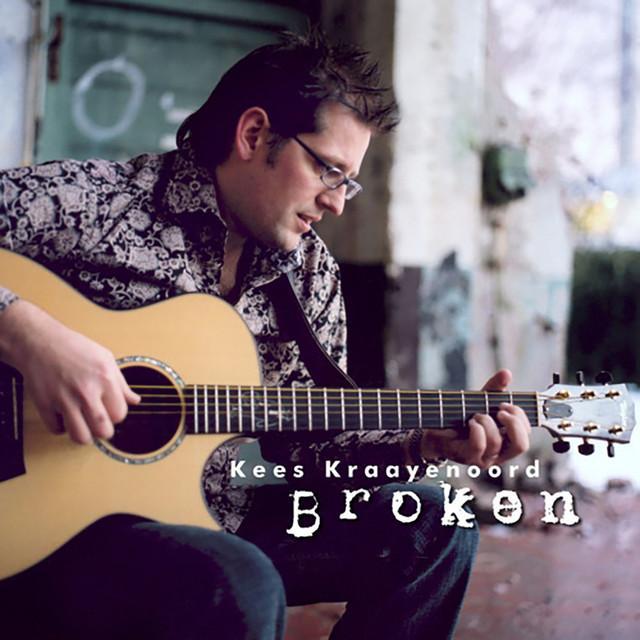
Hold On to You Forever by Kees Kraayenoord
A worship song built on surrender
The meaning of Hold On to You Forever Kees Kraayenoord centers on a simple but powerful idea: human weakness meets divine mercy, and that meeting turns into lifelong devotion. This is not a story song with shifting scenes or hidden characters. It is a worship prayer set to music.
"Hold On to You Forever" - Kees Kraayenoord
glory and honour be unto you
hear my cry Lord
Loading lyrics...
Unable to load lyrics
We're unable to display the lyrics at this time. Please try again later.
From the opening, the lyric places God in a position of majesty and holiness. Then it quickly moves to a personal confession of need. That movement matters. The song does not praise from a distance. It praises while admitting pain, failure, and dependence.
In plain terms, they present a speaker who knows they are fragile, yet still loved. That is why the title phrase carries so much weight. To “hold on” is not just emotional language. It suggests trust that lasts beyond a moment of trouble.
From awe to intimacy
One of the strongest features of the song is the way it joins big, church-wide worship language with very personal prayer. Phrases like Holy, holy
and Lord God almighty
sound communal and timeless. They echo the language of historic Christian worship, where God is praised as glorious and above all things.
But the lyric does not stay in that high, formal space. It turns inward with the idea of being wounded and broken
. That shift gives the song its emotional center. The speaker is not only celebrating God’s greatness. They are coming to God because they need help.
This is what makes the song feel approachable. It says, in effect, that worship is not only for the strong or composed. Worship can begin in pain. The line of thought moves from praise, to confession, to trust.
The core message in the chorus
Love comes first, then loyalty follows
The chorus explains the theology and emotional logic of the entire song. When the singer says you first loved me
, the message is that devotion is a response, not an achievement. They are not trying to earn love through worship. They worship because they believe love has already been given.
That makes the title promise feel less like pressure and more like gratitude. The line about holding on forever is rooted in what God has already done, especially in the repeated ideas of mercy, saving, and unfailing love.
Merciful Father, hold me together
and I will hold on to You
forever
This short passage captures the song’s balance. The speaker promises faithfulness, but only after asking God to sustain them. In other words, endurance is not presented as self-made strength. It is pictured as something received.
Knowing and being known
Another key theme is deep personal knowledge. The song says God knows the speaker because God made them and knows their heart. That matters because the lyric is not asking for acceptance based on appearances. It imagines a God who sees the hidden self and still chooses love.
The repeated idea of still you love me
is especially important here. The word “still” does a lot of work. It suggests there are reasons someone might expect rejection: weakness, sin, fear, or inner conflict. Yet the song insists that divine love remains.
Interpretation: This may be why the track resonates with listeners who connect strongly with grace-centered worship. It frames faith not as denial of brokenness, but as confidence that brokenness does not cancel belonging.
How the sound supports the meaning
Kees Kraayenoord is known as a Dutch worship leader and songwriter whose music often blends congregational clarity with intimate devotion, as seen on his official artist site. That context helps explain why the song uses direct, singable language and repeated phrases. It is designed not just to be heard, but to be joined.
Musically, the likely effect is steady and reverent rather than restless. Even without flashy imagery, worship songs like this often rely on gradual build, warm chords, and a vocal delivery that sounds prayerful before it turns triumphant. That kind of arrangement supports the lyric’s arc from need to assurance.
Christopher Neville Eaton, also credited as a writer, has a long history in Christian songwriting and production, noted by Integrity Music. That connection suggests craftsmanship aimed at emotional clarity. The song’s structure reflects that goal: repeated declarations, clear spiritual focus, and a chorus that lands on commitment.
Why repetition matters here
Some listeners may notice how often the song returns to the same ideas: holiness, mercy, love, and worship. In pop songwriting, repetition can sometimes feel simplistic. In worship music, it often serves a different purpose.
Repetition here acts like meditation. Each return to glory and honor, or to being known and loved, reinforces the song’s central claim. The speaker is trying not just to say something true once, but to dwell in it.
That is why the lyric avoids complex metaphor. Its strength lies in directness. It wants listeners to stay with the central truths until they feel personal.
A faith statement with room for emotion
For many listeners, the song will read as a straightforward Christian prayer of dependence. For others, it may also speak more broadly about what it means to cling to hope when life feels unstable.
Interpretation: Even outside a church setting, the emotional pattern is easy to recognize. Someone feels broken, turns toward a source of love bigger than themselves, and asks to be held together. That pattern gives the song its staying power.
Final takeaway on its meaning
At its heart, the meaning of Hold On to You Forever Kees Kraayenoord is about answered weakness. The song says that God is holy and glorious, but also near to the person who arrives in pain. Because the speaker believes they are fully known and still loved, they answer with worship and a promise of lasting trust.
That is what makes the song moving. It does not pretend faith removes human fragility. It argues that mercy meets people inside it.
Disclaimer: This interpretation is based on the lyrics, songwriting context, and worship conventions. As with any song, listeners may hear meanings that differ from this reading.







