Why This Song Turns Longing Into a Trance
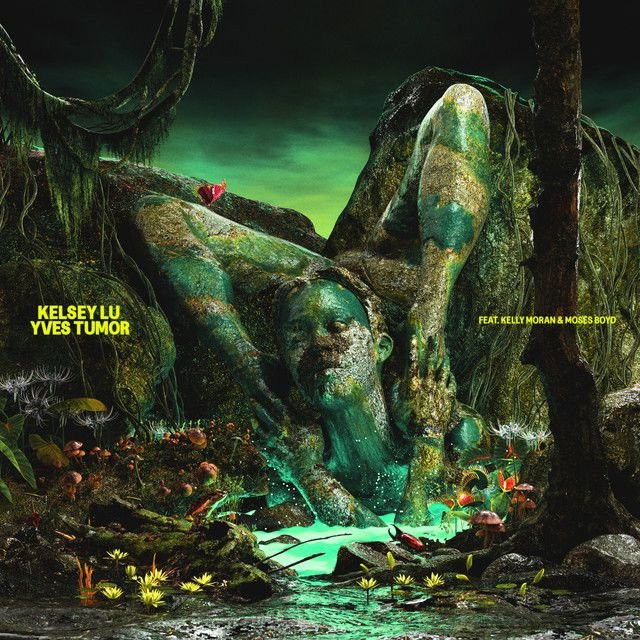
The meaning of let all the poisons that lurk in the mud seep out Kelsey Lu, Yves Tumor, Kelly Moran, Moses Boyd comes into focus through tension: they want connection, but they also fear what that feeling might do to them. Even with very few words, the song creates a rich emotional space where desire feels deep, uncertain, and impossible to shut down.
"let all the poisons that lurk in the mud seep out" - Kelsey Lu, Yves Tumor, Kelly Moran, Moses Boyd
Ordinarily
I've dug down
Loading lyrics...
Unable to load lyrics
We're unable to display the lyrics at this time. Please try again later.
Rather than telling a detailed story, the track circles one moment of realization. The narrator seems to discover that what they thought they understood is no longer enough. A feeling has arrived, and it has changed the ground beneath them.
A Love Song About Recognition, Not Possession
At the center of the song is a speaker who has reached the limit of self-control. They look inward, search the past, and still end up back at one truth: it was you
. That short line matters because it sounds less like a choice than a recognition.
This is why the song feels more haunted than triumphant. The narrator does not celebrate love in a bright, easy way. They seem stunned by it. When they admit they caught a feeling
, the phrase sounds accidental, as if emotion happened before logic could catch up.
Interpretation: the song is about falling into emotional clarity after trying to stay detached. It captures the moment when someone realizes that what they feel is real, even if they are not ready for the consequences.
Watch the official let all the poisons that lurk in the mud seep out
music video
Digging Down, Then Looking Up
One of the strongest ideas in the lyric is inward searching. Early on, the narrator says they have dug down to the bottom of what they thought they knew. Paraphrased, they have tested their own understanding and found it incomplete.
That image of going downward suggests self-examination. It also quietly links to the song's title, which invokes mud, poison, and seepage. Even though those exact title words do not appear in the provided lyric, the atmosphere fits: buried things rise, hidden material leaks out, and what was suppressed becomes visible.
What the emotional timeline seems to be
- They search their own thoughts.
- They discover one person keeps returning.
- They try to stop the feeling.
- They fail to shut it down.
- They shift from resistance to waiting.
That movement gives the song its shape. It begins in uncertainty and ends in a kind of suspended devotion.
The Chorus Makes Waiting Feel Sacred
The key emotional line is the repeated idea holding out for you
. In plain terms, the narrator is waiting, preserving hope, and keeping emotional space open for someone.
Repetition matters here. Each return of the phrase makes the feeling sound less casual and more defining. It is not a passing crush. It has become a condition of life.
The song deepens that idea by pairing waiting with vigilance. The narrator also says they are looking out for you
, which adds care to desire. They are not only longing for this person; they are attentive to them. That small shift makes the song feel tender rather than merely obsessive.
Why the Fragmented Lyrics Work So Well
The writing is deliberately spare. Instead of giving a lot of scene-setting, it leaves space around repeated phrases and partial thoughts. That style suits all four artists' experimental instincts, especially Kelsey Lu's emotional openness, Kelly Moran's textural minimalism, Yves Tumor's shape-shifting art-rock sensibility, and Moses Boyd's rhythmic subtlety as heard across their broader work and credits.
Because the language is so stripped down, small phrases carry a lot of weight. When the narrator says, I don't usually do this
, they reveal vulnerability without overexplaining it. They are stepping outside their normal defenses.
The line about seeing something special
also matters. It suggests that the beloved is not just desired, but perceived as singular. The feeling becomes meaningful because the person seems rare.
Sound as Meaning: A Slow Emotional Spill
Even without quoting much, listeners can hear how the arrangement supports the song's themes. The production feels hypnotic and suspended. Repetition acts like emotional weather.
Instead of rushing toward a climax, the track lingers. That lingering quality mirrors the narrator's state of mind: they are stuck inside a feeling, turning it over again and again. The result is intimate but also slightly uncanny.
Interpretation: the music makes longing feel physical. It does not simply describe desire; it recreates the sensation of being unable to move past it.
Why the collaboration matters
The credited writers are Kelly Nicole Moran, Kelsey Lu, and Sean Lee Bowie, the legal name of Yves Tumor. That combination helps explain the song's blend of fragility and experimentation. Moran often works with piano, texture, and atmosphere, while Kelsey Lu brings expressive vocal depth and Bowie brings abstraction and tension. Moses Boyd's presence in the artist credit further suggests a rhythmic intelligence beneath the dreamlike surface.
Alternate Readings of the Song
There are at least two strong ways to hear it:
- Romantic reading: they are confessing a deep attraction they tried to deny.
- Spiritual or psychological reading: they are recognizing a truth within themselves that keeps returning in the form of another person.
The repeated off-screen voice saying there is always something going on, always something holding on, supports both readings. It introduces the idea that life is never emotionally still. Something hidden is always active under the surface.
The Real Meaning, in Plain English
The meaning of let all the poisons that lurk in the mud seep out Kelsey Lu, Yves Tumor, Kelly Moran, Moses Boyd is less about a plot than a state of surrender. The song shows how desire can rise from below awareness, survive attempts to stop it, and turn waiting into its own kind of devotion.
That is why the track feels so memorable. It understands that feelings are not always clean or simple. Sometimes they emerge slowly, from the mud of doubt, until they can no longer be ignored.
Disclaimer: This interpretation is based on the provided lyrics, credits, and the artists' broader styles. As with most poetic songs, other readings are possible.









