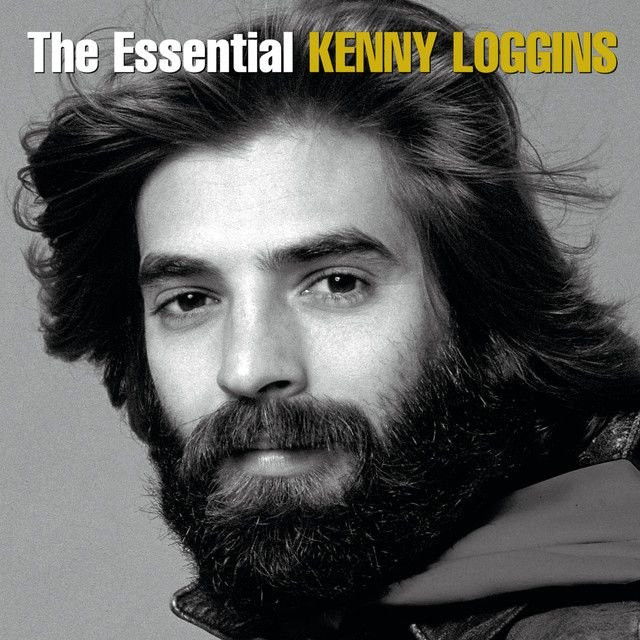
Why Kenny Loggins Still Believes in Love
The meaning of I Believe in Love Kenny Loggins comes into focus fast: this is not a soft, dreamy love song with no tension. It is a response to emptiness. Kenny Loggins sets up a world full of spiritual drift, social pressure, and lonely habits, then answers it with one clear conviction: love is still worth trusting.
"I Believe in Love" - Kenny Loggins
Coverin' an empty 'I'
Empty spaces
Loading lyrics...
Unable to load lyrics
We're unable to display the lyrics at this time. Please try again later.
According to Songfacts, the song appeared on Celebrate Me Home in 1976, charted at No. 66, and became Loggins’ first solo hit after Loggins & Messina. That matters, because the song sounds like a transition. It keeps his warmth as a writer, but moves into a smoother, more adult mix of pop, soft rock, R&B, and jazz-leaning polish.
A Love Song That Starts With Emptiness
The opening verse does not begin with romance. It begins by looking at people who seem hollowed out. The image of empty spaces
and the idea of a missing inner life suggest emotional numbness rather than heartbreak alone.
Interpretation: the song is saying that the real crisis is not just loneliness. It is disconnection from the self, from other people, and even from larger beliefs. When Loggins mentions people trusting forces that never truly cared for them, he seems to contrast false faith with something lived and human.
That is why the chorus lands so strongly. After describing distance and emptiness, the repeated claim I believe in love
feels less like a cliché and more like a decision.

Watch the official I Believe in Love
music video
The Verses Warn Against a Hollow American Dream
The second verse shifts from spiritual emptiness to social behavior. It mocks status chasing with the phrase money tree
, then adds a line about imitation and habit. In plain terms, the song criticizes people who copy what they see, rush through life, and miss the signs that matter.
This part gives the song some of its bite. It is friendly in tone, but not passive. They present a culture of speed, greed, and performance, then push back against it.
A Short Map of the Song’s Movement
- First, the song notices emotionally vacant people.
- Next, it attacks money-centered living and blind imitation.
- Then, it rejects casual intimacy without commitment.
- Finally, it returns again and again to love as the healthier answer.
That structure makes the chorus feel earned. It is not random optimism; it is a rebuttal.
The Chorus Turns Belief Into a Physical Feeling
One reason the song works is that it does not describe love as an abstract idea only. The hook links emotion to the body with feeling good
. In other words, love is presented as something lived, sensed, and experienced.
I believe in love, I do!
I believe I'm feelin' good
This brief refrain matters because it makes belief sound active. They are not arguing a theory. They are reporting a state of being.
Interpretation: the chorus suggests that real love restores wholeness. It counters the numbness of the first verse and the anxious striving of the second.
Why the Final Verse Matters Most
The third verse may be the song’s emotional center. Here, Loggins turns from social commentary to private fear. He imagines waking up beside someone whose name barely matters, a sharp picture of connection without meaning.
That moment clarifies the song’s values. They are not just praising romance in general. They are rejecting emptiness disguised as intimacy. The desire is not simply for company, but for a relationship with memory, care, and real presence.
The line about someone to hold me
is simple, but that simplicity is the point. After all the earlier warnings, the song ends up wanting something honest and basic: closeness that is emotionally real.
How the Sound Supports the Message
Songfacts describes Celebrate Me Home as a move away from the folk-rock feel of Loggins & Messina and toward a more R&B- and jazz-inflected soft-rock style. That shift helps explain why this song feels so open and reassuring. The groove is smooth, the chorus is communal, and the vocal delivery is bright without sounding shallow.
Rather than making the message preachy, the arrangement gives it lift. The rhythm feels forward-moving, while the repeated chorus creates a kind of affirmation. That balance matters. If the music were darker, the song could feel cynical. If it were too sweet, the criticism in the verses might disappear.
Instead, the production lets both sides live together: concern about modern life and confidence that love can still cut through it.
The Barbra Streisand Connection Adds Context
Songfacts also notes that Barbra Streisand introduced the song in A Star Is Born in 1976, and that her version was released as the B-side to Evergreen
. That connection gives the song a more cinematic frame. It was built not just as a private confession, but as a polished adult-pop statement that could travel across performers.
It also fits Loggins’ broader career. As American Songwriter recently revisited, he had long been effective at writing direct, emotionally accessible songs about love. Here, though, the writing is less innocent than early work. It sounds more worldly, more skeptical, and maybe more mature.
The Takeaway Behind the Hook
So what is the meaning of I Believe in Love Kenny Loggins? At heart, it is a song about choosing emotional truth over emptiness. It sees people numbed by money, speed, imitation, and temporary connection, then answers with a belief in love that is warm, physical, and morally grounding.
That is why the song still holds up. It does not say love is easy. It says love is the best answer to a life that can otherwise feel fake.
Disclaimer: This interpretation is based on the song’s lyrics, recorded performance, and available historical context. As with any song, listeners may hear its meaning differently.








