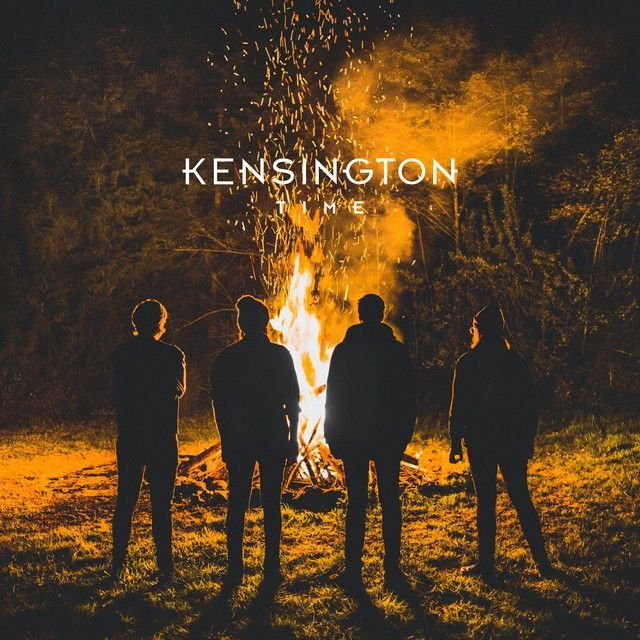
Why 'Island' by Kensington Feels Like Escape
The meaning of Island Kensington comes into focus fast: this is a song about wanting out. Not out in a dramatic, revenge-filled way, but out in a tired, protective, almost desperate way. The speaker does not want to assign guilt. They want distance, calm, and a way to stop repeating the same damage.
"Island" - Kensington
I just want to leave this horrid place the way I came
But here we are again
Loading lyrics...
Unable to load lyrics
We're unable to display the lyrics at this time. Please try again later.
Kensington, the Dutch rock band led for many years by Eloi Youssef, often built songs around emotional pressure and release. In this track, that pressure shows up through images of waves, fire, violence, and predators. The release is the title image itself: an island, a place apart.
The Heart of the Song Is Self-Protection
On the surface, the narrator keeps insisting they do not want conflict. They say they do not want to blame, wait, stay, or play. That stack of refusals matters. It shows someone who is worn down enough to stop arguing and start withdrawing.
The key line is the recurring wish to be an island
. In plain terms, they want separation. They want a boundary strong enough to survive whatever keeps coming back. The song frames that return with another repeated phrase, here we are again
, which suggests a familiar cycle rather than a one-time event.
Interpretation: This can sound like the aftermath of a toxic relationship, but it could also point to burnout, inner conflict, or life inside a hostile environment. The lyrics stay broad enough to allow all three readings.

Watch the official Island
music video
The Chorus Turns Distance Into a Survival Plan
The chorus is where the song’s central metaphor opens up. The island is not just loneliness. It is chosen solitude. The speaker imagines a shore that can be reached by more than waves, which suggests they are not cutting off all contact. They still want connection, but on safer terms.
That is why the island image feels more mature than simply running away. The goal is not total disappearance. The goal is controlled access.
And I'll be an island
And the shore where I stand
Can be reached by more than waves
That short passage presents the song’s tension clearly. They want to stand apart, but they do not want to become unreachable. The speaker is trying to build a self that is protected without becoming numb.
The Sharpest Images: Waves, Fire, Sharks, Violence
The meaning of Island Kensington gets richer through its symbols. Each one points to a different kind of threat.
Waves mean recurring pressure
A wave is not just one bad moment. It is something that returns, covers everything, and changes the day. When the speaker dreads another wave, they seem to fear the next emotional crash.
Fire means damage that lingers
The song rejects a flame because fire leaves ruin behind. This is a smart contrast with waves. Water overwhelms; fire scars. Together, they suggest both immediate chaos and long-term fallout.
Sharks make fear feel alive
One of the strangest and strongest phrases is I told my sharks
. That line gives danger a body. Sharks can stand for predatory people, hostile thoughts, or the speaker’s own impulses when pushed too far.
Violence is both literal and emotional
When the song mentions if it turns to violence
, it raises the stakes. Without overclaiming, that line suggests the speaker knows how quickly tension can become harmful. Even if listeners hear “violence” as emotional rather than physical, the fear is real.
A Story About Repetition and Identity
One of the song’s most interesting moves comes later, when the lyrics ask who the speaker is inside all this. That question shifts the track from escape to identity. It is not only about leaving a bad place. It is about wondering what remains after the fight is over.
The repeated thought that everything will mend in time sounds hopeful, but it does not sound fully convinced. The song keeps circling the same doubts, and that circular structure mirrors the trap the narrator is describing.
Interpretation: They may be afraid that conflict has become part of their personality. If every fight ends with the urge to hide, then the island is not just a refuge. It is a way to keep a fragile self intact.
How the Sound Likely Carries the Message
Kensington are known as a rock band from Utrecht, and the songwriting credit here goes to Eloi Youssef, Casper Starreveld, Jan Haker, and Niles Vandenberg. That matters because the band’s style often leans on atmosphere as much as hook-writing. In a song like this, listeners can expect repetition, dynamic build, and a vocal delivery that balances strain with restraint.
Those choices fit the lyric perfectly. A steady, surging arrangement would echo the wave imagery. A bigger chorus would make the island feel less like peace already achieved and more like a place they are still reaching for.
If the verses feel contained and the refrain opens up, that contrast would mirror the speaker’s emotional state: trapped in the details, then briefly able to imagine freedom.
The Final Twist Makes the Song Darker
Near the end, the song moves from certainty to damage. The repeated I know my heart
turns inward, then suddenly shifts into a line about having sold that heart. That is the bleakest turn in the whole song.
It suggests compromise, emotional exhaustion, or betrayal of the self. After spending the track trying to avoid blame and drift away from harm, the speaker may realize some cost has already been paid.
That is why the final return to the opening line lands so hard. The cycle has not been fully broken. They still want to leave the place the way they came, but the song quietly admits that people rarely leave unchanged.
Why the Song Connects
The meaning of Island Kensington is powerful because it captures a common feeling: wanting peace without pretending the damage never happened. The song does not offer a clean victory. It offers a boundary, a wish, and a warning.
For many listeners, that honesty is the point. They hear someone trying to step back from harm while still asking whether healing will really come.
Disclaimer: This interpretation is based on the lyrics provided and publicly known context about Kensington’s songwriting, and other listeners may reasonably hear the song differently.








